



Blogs
The Next Decade in Terminal Technology: Trends That Will Reshape Electrical Connectivity by 2035
As we stand at the midpoint of the 2020s, the electrical industry is poised for transformative change driven by decarbonization, digitalization, and decentralization. Terminal blocks and crimp connectors—the humble workhorses of electrical systems—are not immune to these forces. By 2035, the way we design, select, and install terminals will look very different from today. At Yueqing Gaopeng Electric Co., Ltd., we are already preparing for this future, investing in technologies and capabilities that will keep our customers ahead of the curve. This article explores the key trends that will shape terminal technology over the next decade.
From Humble Beginnings to Global Reach: The Gaopeng Electric Story of Growth, Quality, and Commitment
In the competitive landscape of electrical component manufacturing, few companies can claim the steady, purposeful growth achieved by Yueqing Gaopeng Electric Co., Ltd. Founded in 2016, Gaopeng has transformed from a small startup into a respected manufacturer of terminal blocks and connectors, now serving customers across industrial automation, power distribution, renewable energy, and building infrastructure. Our journey is not merely about expanding factory space or increasing employee count—it is about building a culture of quality, precision, and customer-centric innovation. This article tells the story of our growth, the capabilities we have built, and the unwavering commitment that drives us every day.
OEM Partnerships and Smart Inventory: How Consignment Stock and Just-in-Time Delivery Optimize Terminal Block Supply Chains
The increasing demand for custom-built electrical components across multiple industries (e.g. automation, energy distribution, telecommunications, etc.) makes optimizing supply chains for OEMs of terminal blocks critically important. To streamline operations, reduce costs, and ensure continuity of production for the manufacturers' products, strategies such as consignment stock management and just-in-time delivery can create new efficiencies. In this article, we’ll outline the advantages of these strategies for your OEM business in relation to the more efficient flow of terminal blocks and answer some of the common questions you may have as an OEM partner.
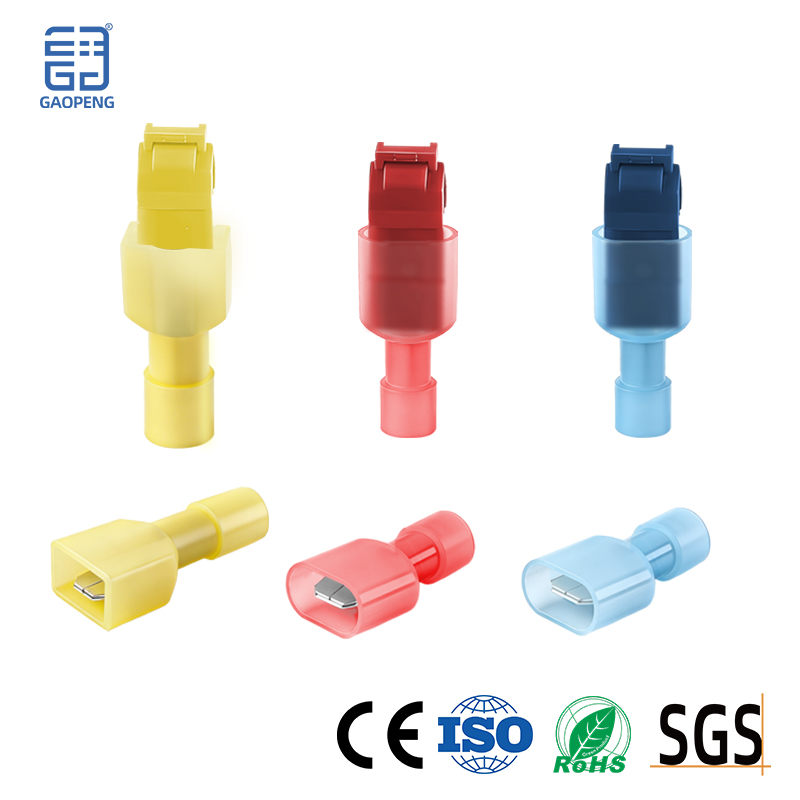
The connection of electrical circuits can be terminated in a variety of ways; however, the most reliable and efficient option is to use crimped terminal connections on DIN rails with insulated ferrule
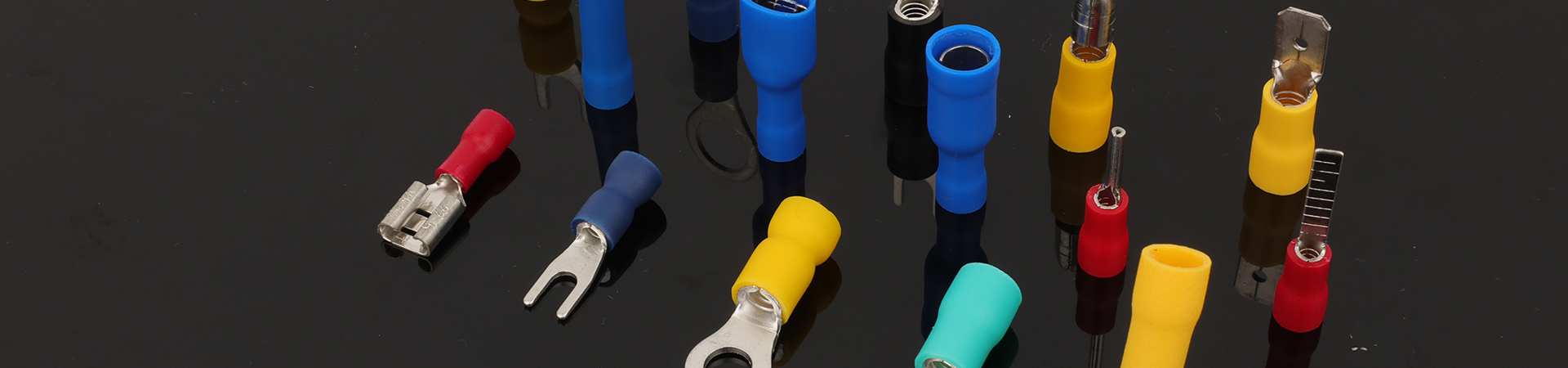
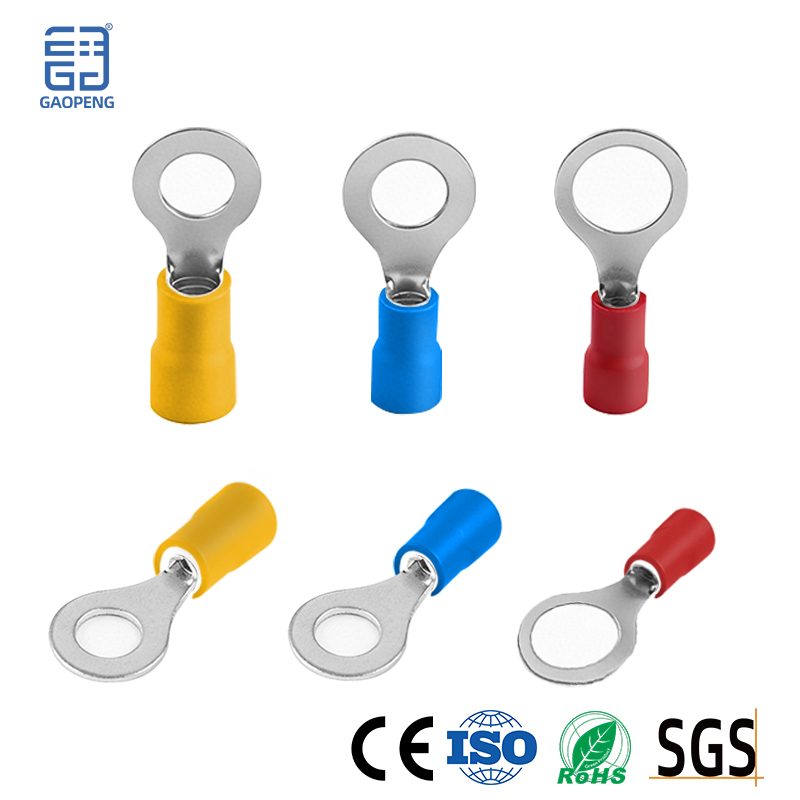
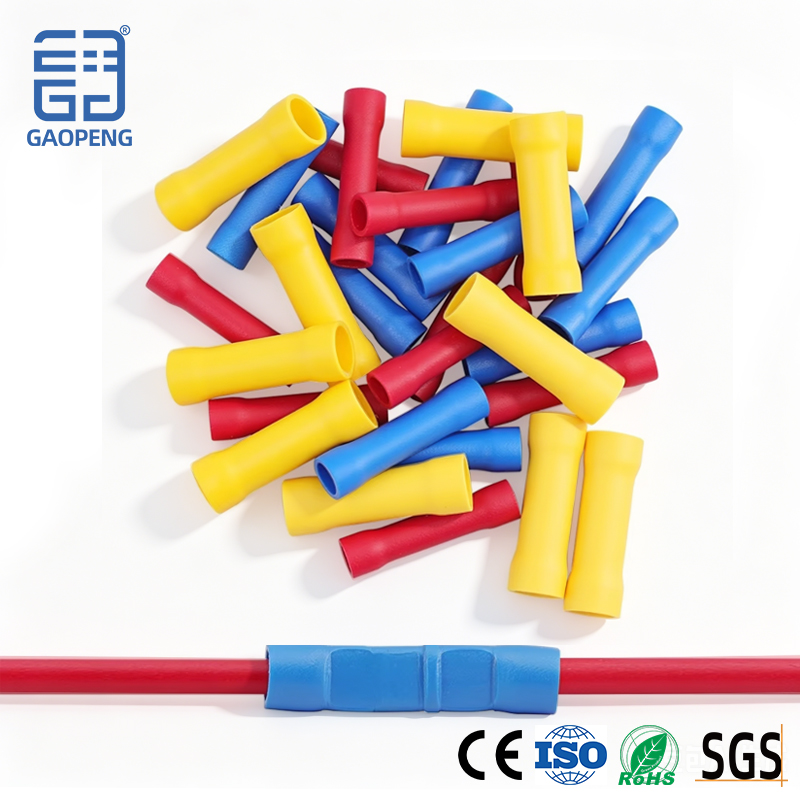
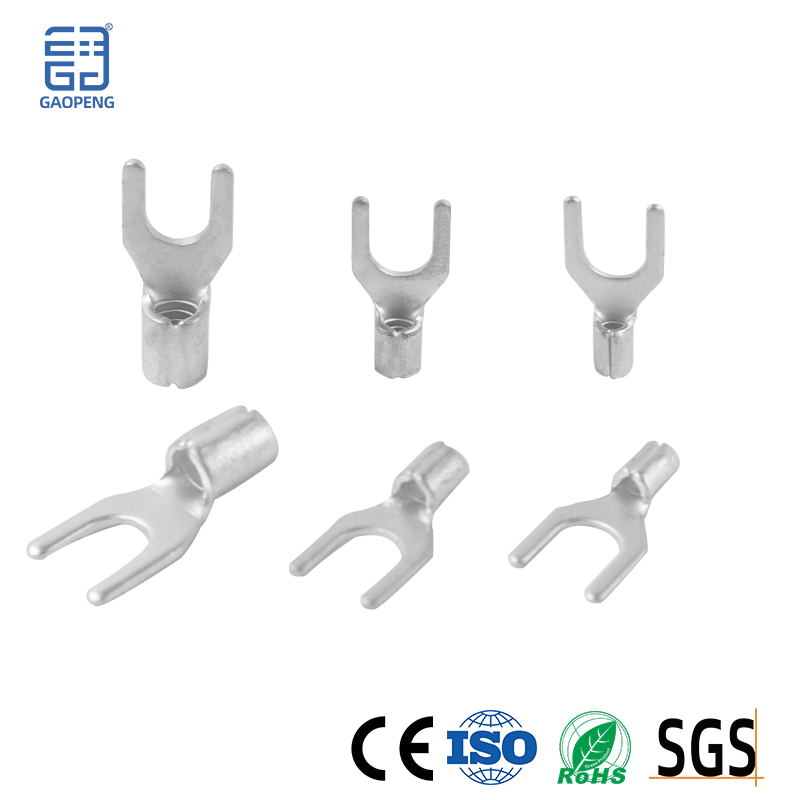
Your electrical system design and associated component layout must take into account how you are going to terminate each of your connections. One of the things you must take into consideration that may not have crossed your mind previously; how will you terminate your connection? What is so important to having a good termination? To establish a quality long-term mechanical and electrical connection you must be using the proper type of connector, i.e., crimp style connector, and the proper crimping tool for the connector. This will increase the chances of having a good solid and consistent termination for the next number of years. This paper will discuss good terminations and show how to properly terminate; plus, list several other design considerations required to design a dependable electrical system.
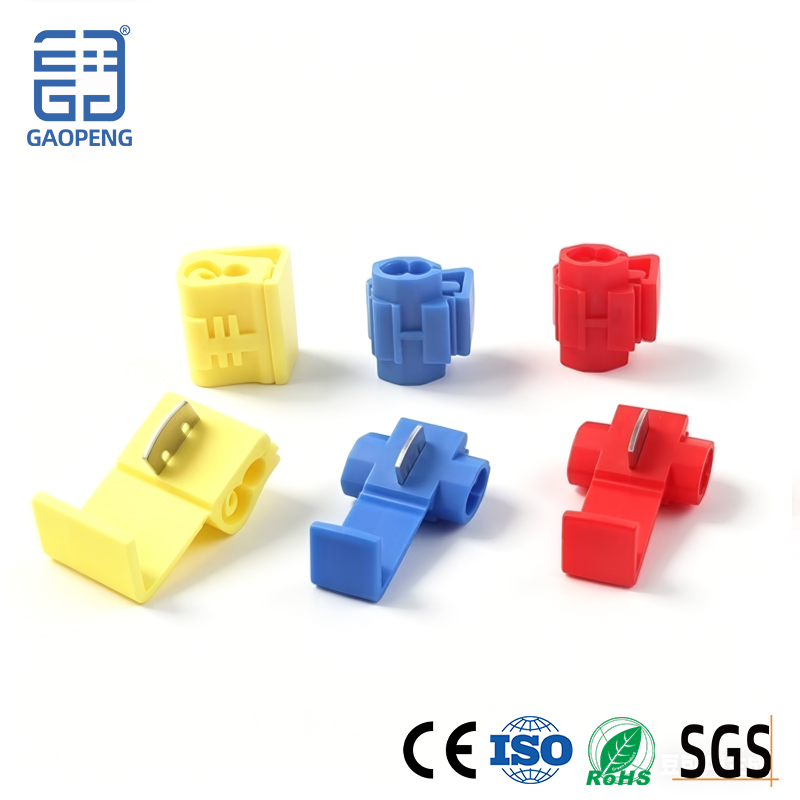
Best DIN Rail Connection via Crimp Terminals and Ferrules
When designing your electrical systems with the appropriate DIN rail terminal block, there are a number of factors that will help you get the best possible outcome from each termination. One of the last things you may think about, but one of the most important when it comes to a properly terminated electrical system, is terminating the wires. Properly terminating the wires using the right tool and components (for example, crimp connectors, and ferrules) will significantly increase your chances of having a well-secured and reliable electrical connection, and will help ensure that your connections remain intact over time. The following sections will detail why proper terminations are so important, how to properly terminate, and additional items to think about when designing a better, more robust electrical system.