



Product News
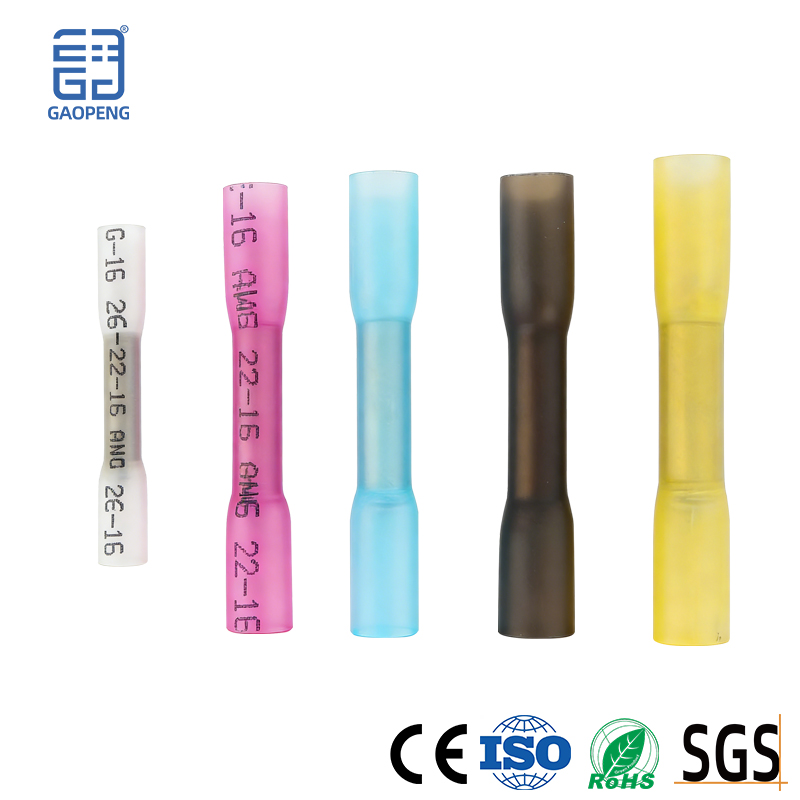
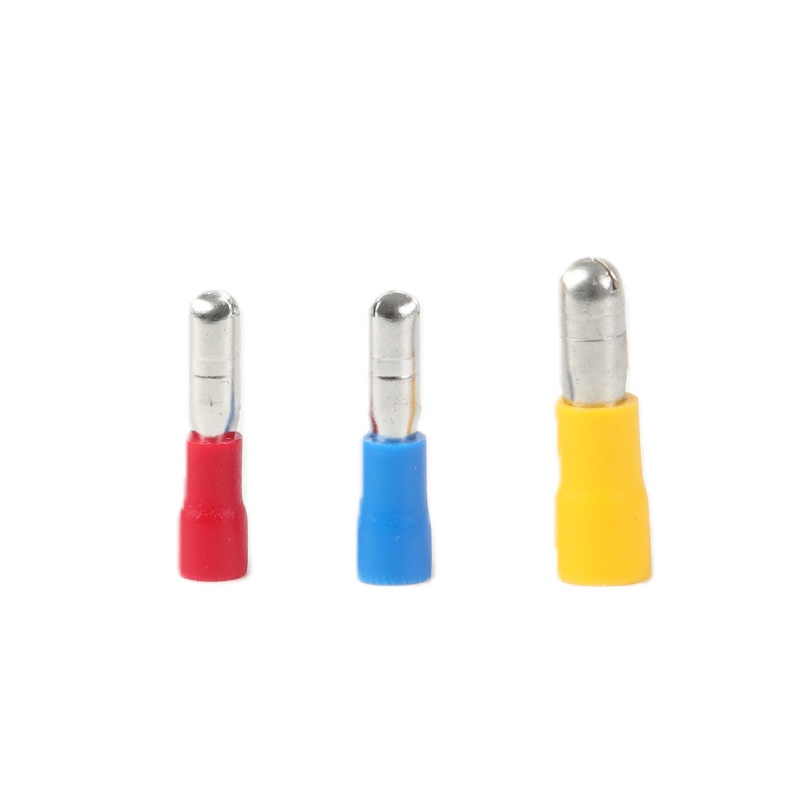
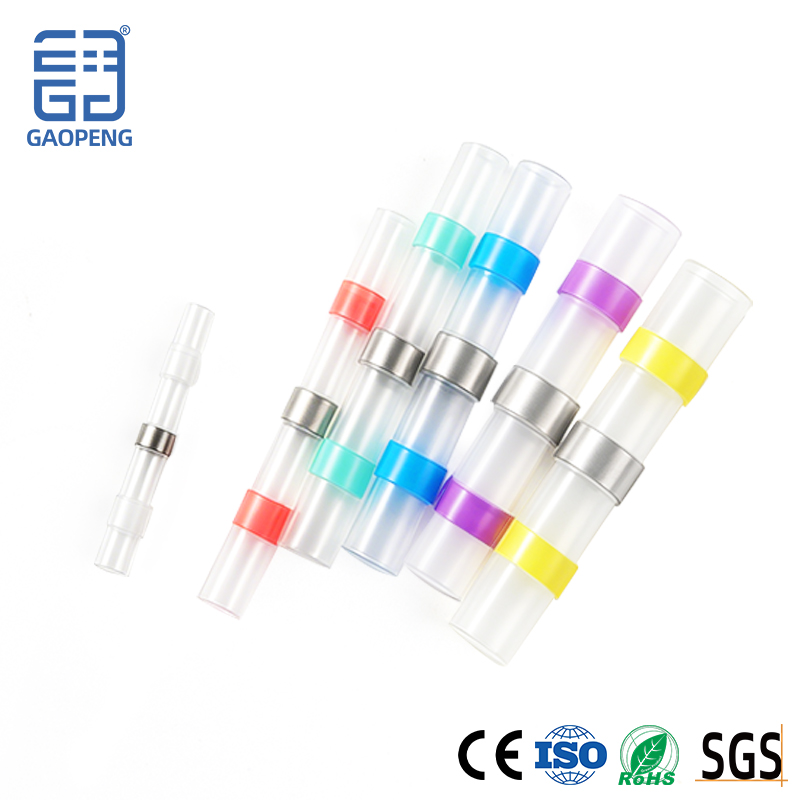
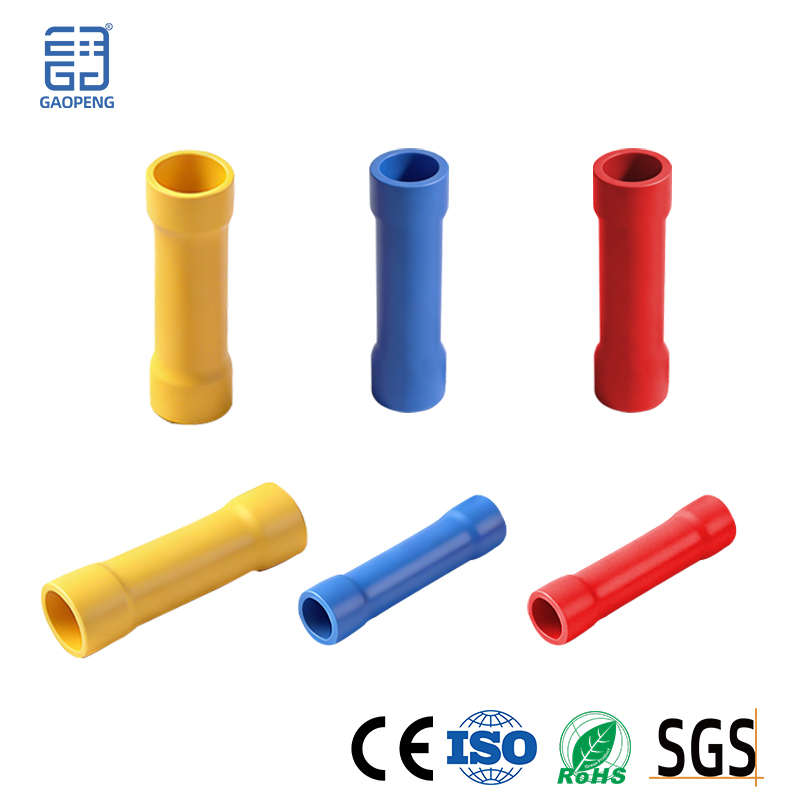
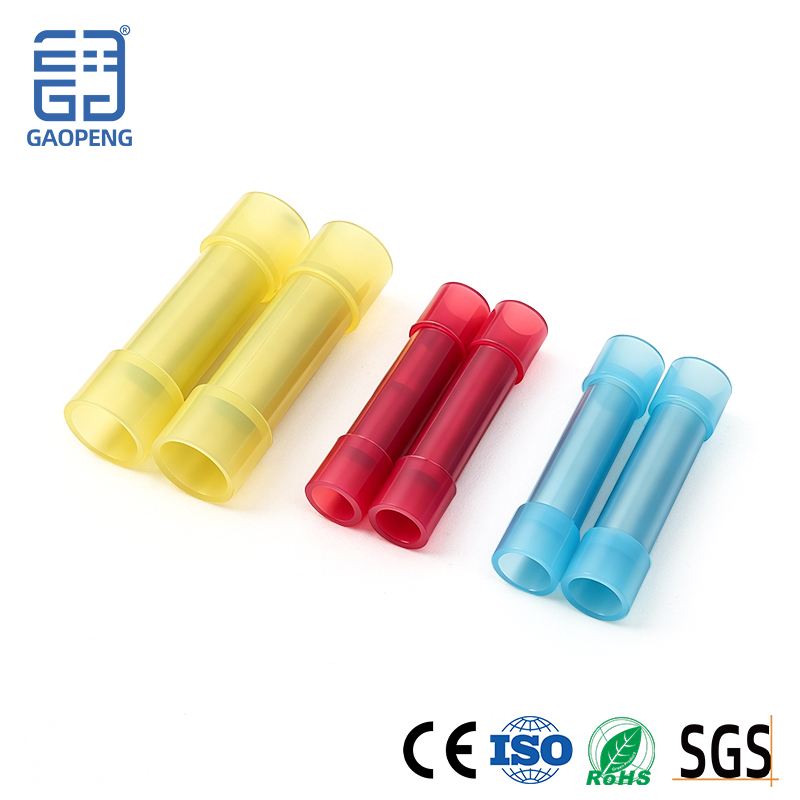
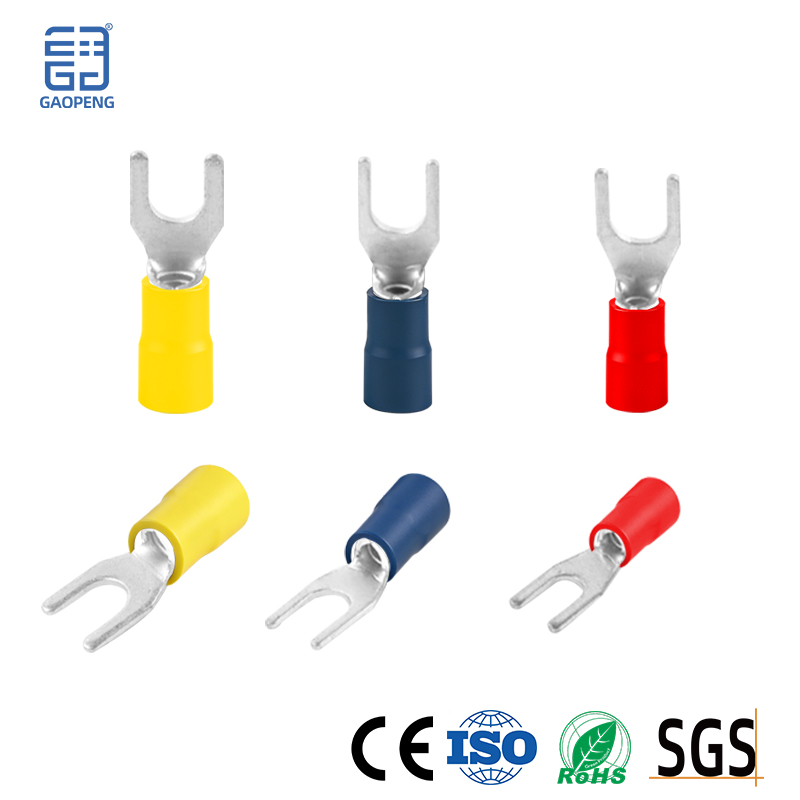
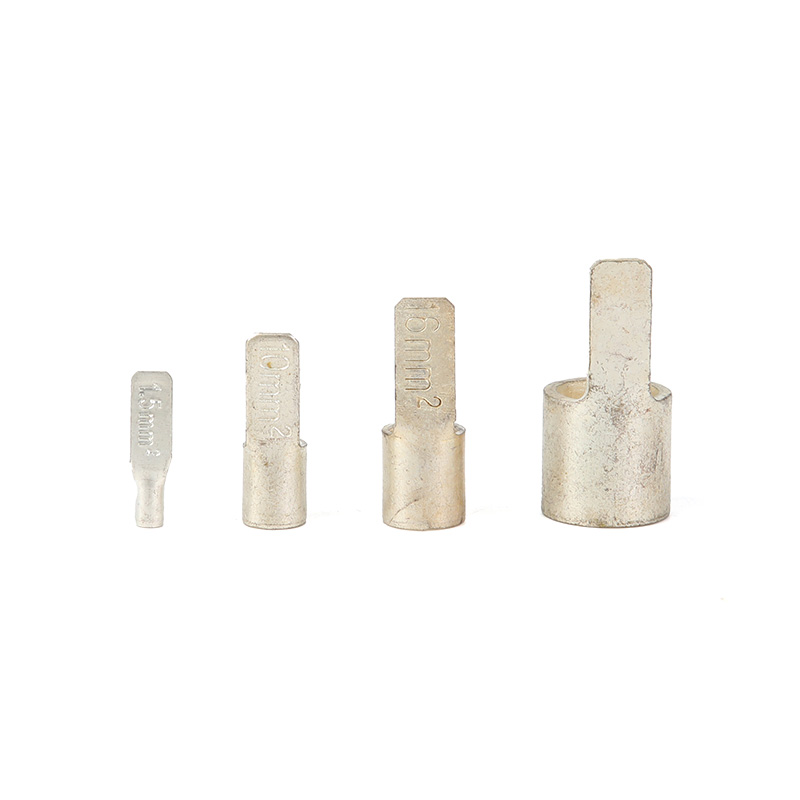
What are the types of brass noses
Classified by material and applicable scenarios, it mainly depends on whether you are connecting copper or aluminum wires.
The material types are divided into pure copper lugs, copper-aluminum transition lugs, and brass lugs. The most common pure copper lugs are DT, DTG, and SC. Their core features are excellent electrical conductivity and corrosion resistance. DT is made from copper rods, making it relatively thick and heavy; DTG is made from stamped copper tubes, making it more lightweight and economical. They are suitable for general electrical connections, especially for high-power equipment.
Copper-aluminum transition lugs are commonly DTL. Their core feature is that one end is copper and the other is aluminum, specifically designed to solve the electrochemical corrosion issue that occurs when copper and aluminum are directly connected. They are used to connect aluminum cables to copper terminals of equipment.
The core feature of brass lugs is higher hardness and greater wear resistance, though their conductivity is slightly lower than that of pure copper. They are mostly used in situations with certain mechanical strength requirements.
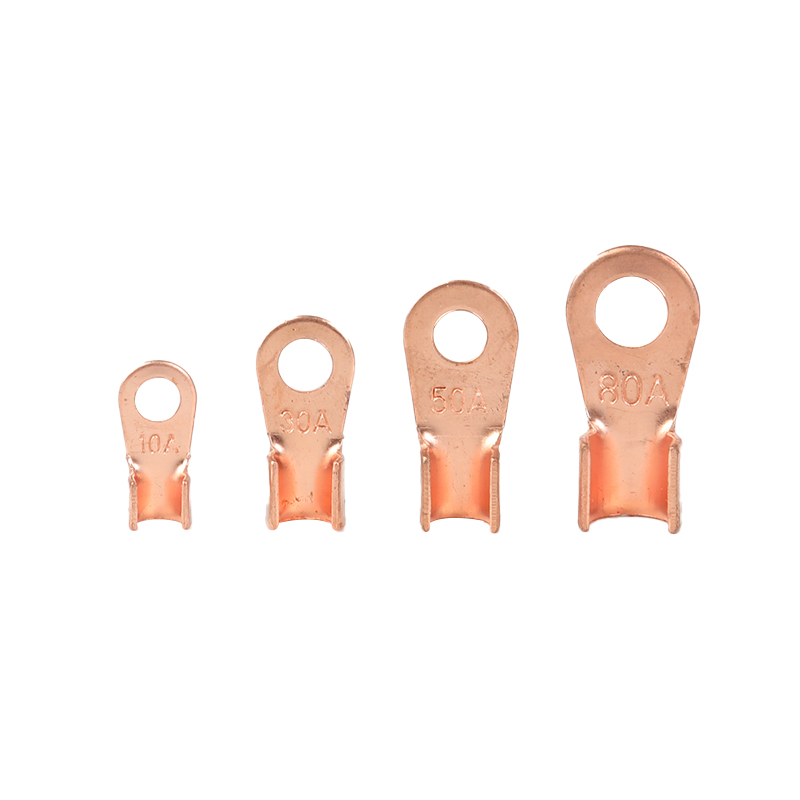
The uses, application scenarios, and materials of OT copper ring crimp terminals
OT copper ring crimp terminals (commonly referred to as OT terminals or copper lugs) are essential basic components in electrical connections. Their main purpose is to achieve a safe and reliable electrical connection between wires or cables and device terminals (such as posts or screws). They are connected to conductors by crimping, and their ring-shaped heads are used to secure them to devices, featuring firm connections, low contact resistance, and suitability for high current applications.
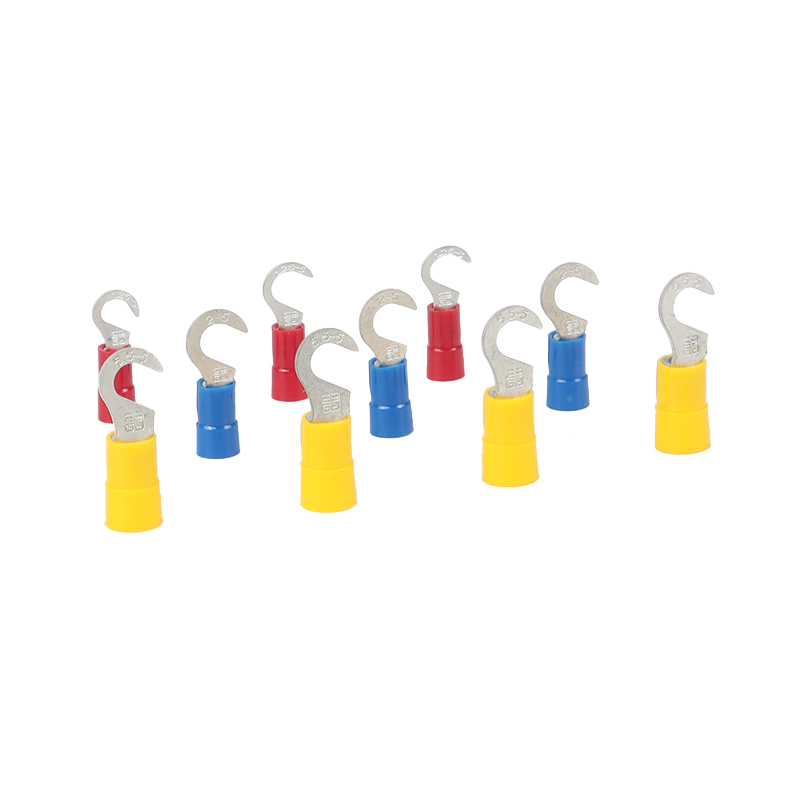
National standard for low-voltage cold-pressed terminals
The national standards for low-voltage cold-pressed terminals are mainly divided into two categories: product technical specifications and safety and identification requirements. The core product standard is the mechanical industry standard JB/T 2436 series, which is divided into two parts according to the applicable conductor cross-sectional size.
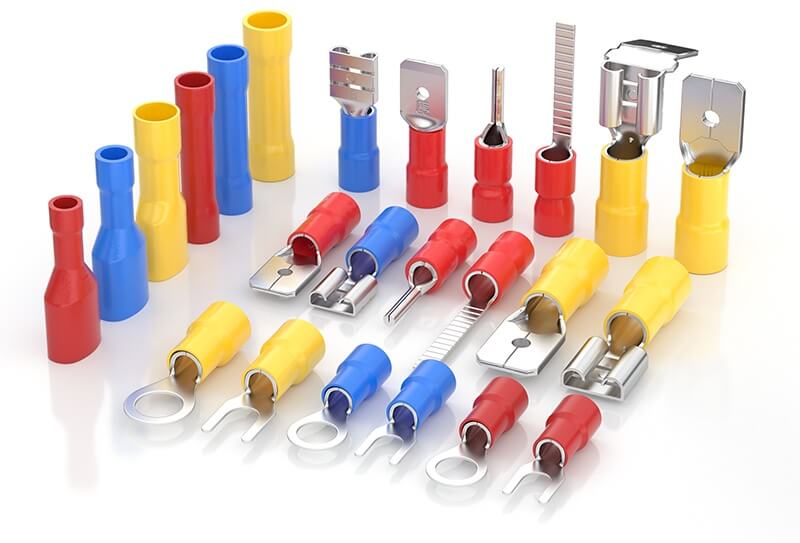
Did the cold-pressed terminal experience a high-temperature shock during heat treatment?
First, we need to pay attention that it must withstand the high temperatures of the preheating area. In this regard, it essentially means that the temperature needs to be conducted to the terminal body through wave soldering. As for the flux, it should not affect the crimped terminals; it must be easy to remove and leave no residue.
Additionally, it is important to ensure that water is used for cleaning during the entire assembly process. Regarding the preheating temperature, when it reaches 100°C or higher, it is also common for the wave soldering temperature to reach around 280°C.
Next, attention must be paid to the accurate positioning of the soldering pins through the perforations. Furthermore, in terms of size, they must be appropriately and evenly placed. In this regard, they also need to have good solderability, which facilitates insertion and soldering.
Finally, pure silver contacts are more prone to fusion welding. For the main contacts of AC contactors, it is important to directly choose silver-based alloys with strong anti-fusion welding properties, with the most common being silver-iron and silver-nickel.
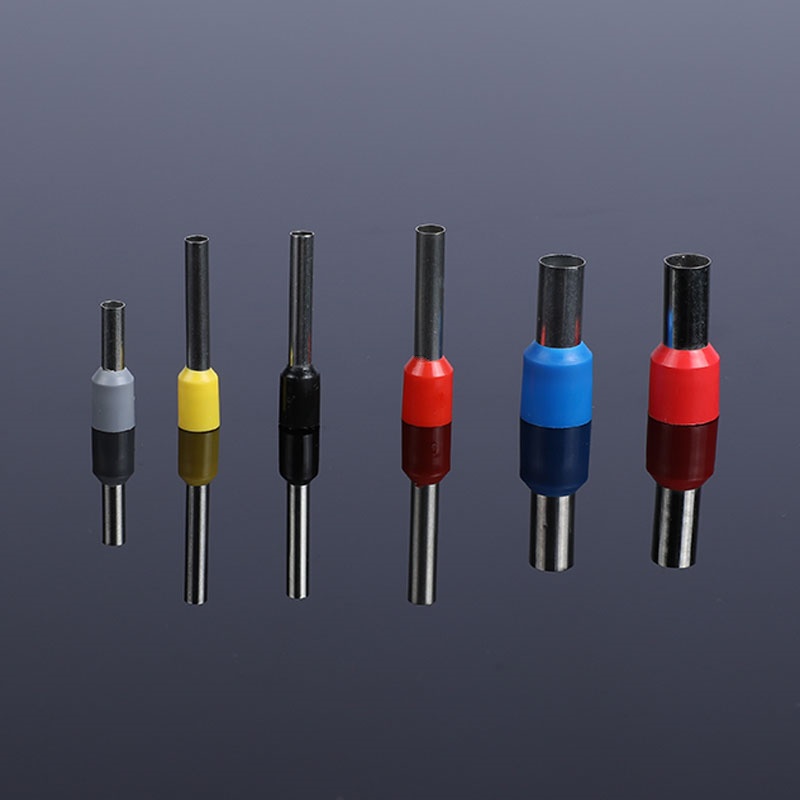
What is a tube-type terminal block? How is it used?
Tubular terminals, professionally known as tubular crimp terminals, are called this because engineers in different regions have different naming conventions. Tubular terminals are a type of cold-press terminal. Their main function is to conduct electricity and serve as a component for electrical connections, which is categorized under connectors in the industrial sector. The function of tubular terminals is the same as other terminals, used to connect electrical signals and provide conductivity. There are many types of tubular terminals, including uninsulated tubular terminals, tubular terminals, anti-slip sun-type terminals, round terminals, insulated terminals, forked insulated terminals, flag terminals, ring terminals, ground ring terminals, and other similar types of terminals.
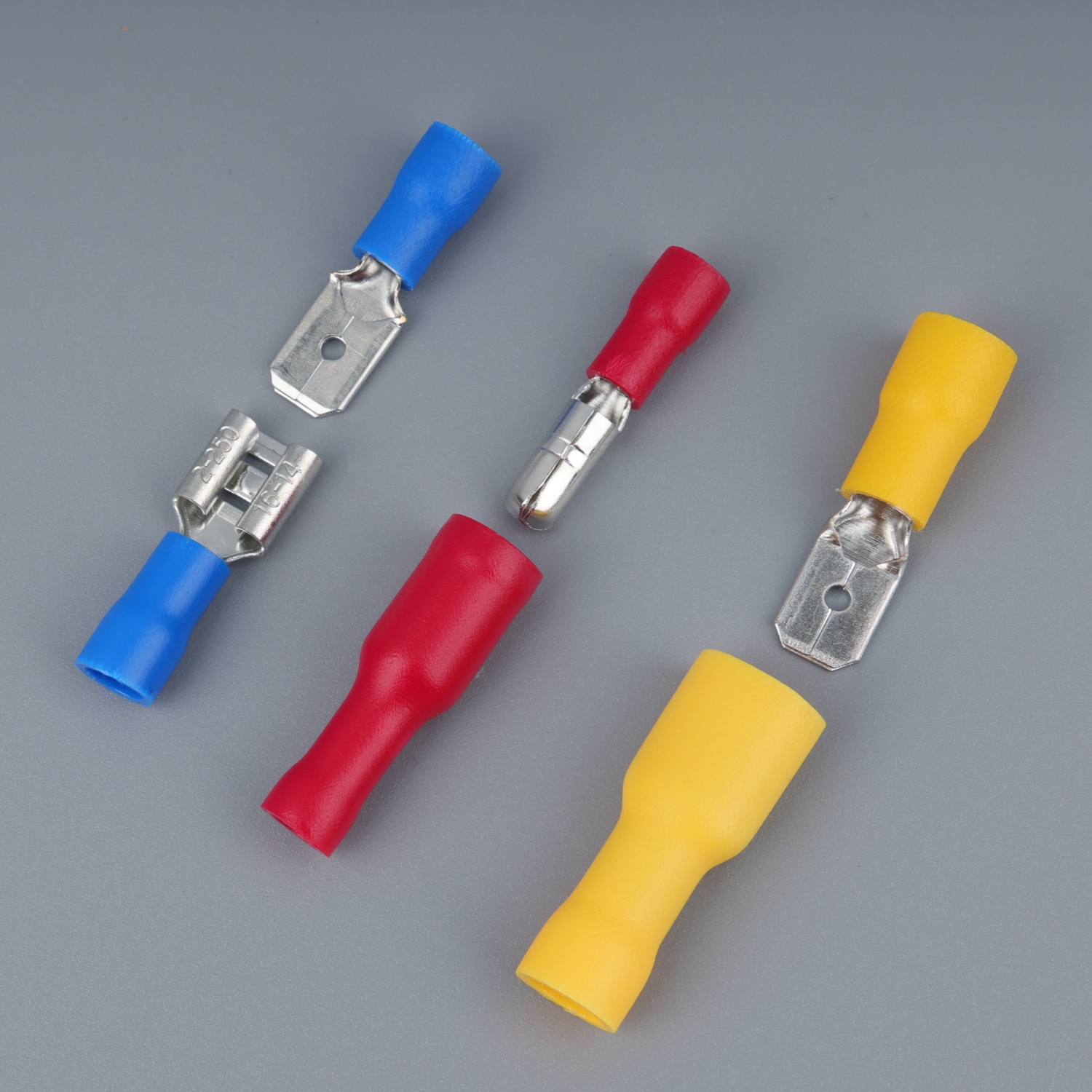
Crimping Process Requirements and Installation of Cold-Pressed Terminals
The essence of crimping is to achieve tight metal-to-metal contact between the terminal and the conductor through mechanical plastic deformation, ensuring electrical conductivity and mechanical fixation.
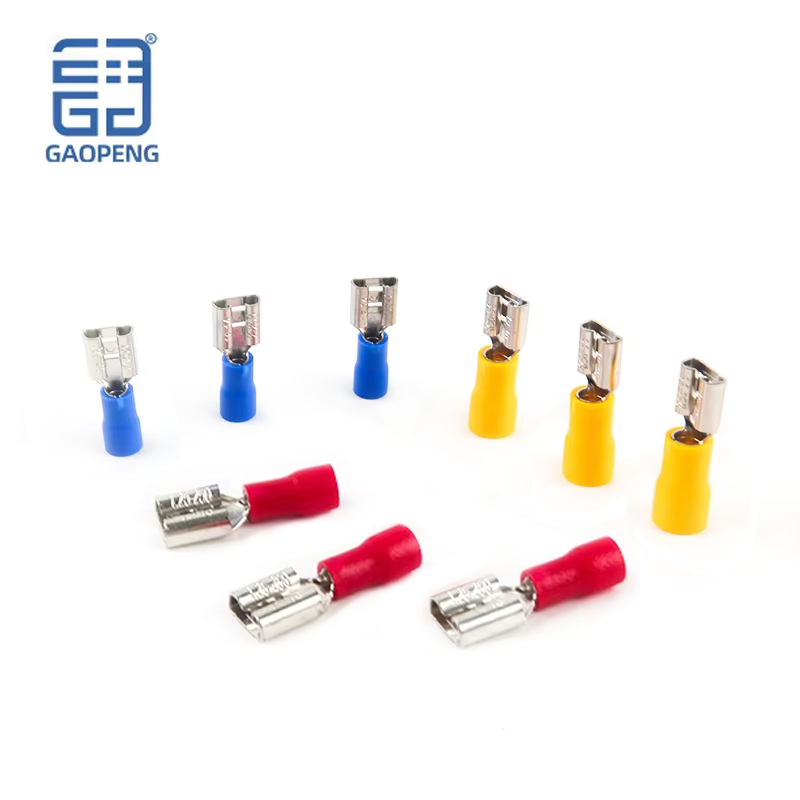
Do you know everything about cold-pressed terminals?
Cold-pressed terminals, also known as crimp terminals, wiring terminals, or wire lugs, are devices used to achieve reliable, repeatable connections between wires and electrical equipment (such as switches, relays, terminal blocks, motors, etc.) without soldering.
Core principle: Using specialized crimping tools (such as crimping pliers or hydraulic pliers), a large mechanical pressure is applied to the metal barrel of the terminal (the wire barrel) without heating (hence "cold"). This causes plastic deformation, tightly wrapping and gripping the wire. This deformation creates an airtight, high-strength electrical and mechanical connection between the terminal metal and the wire strands.
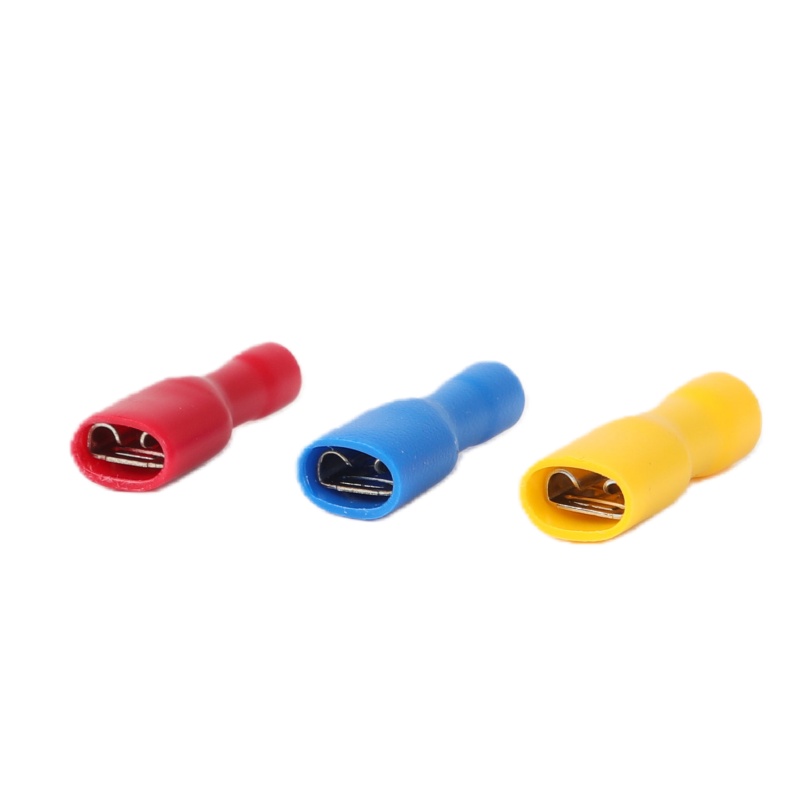
Introduction to the Flame Retardant Mechanism of Insulating Terminal Plastic Components
In general, the flame retardant mechanism is to add flame retardant to the plastic in a certain proportion to increase the oxygen index, thereby producing a flame retardant effect. Of course, the oxygen index only indicates the flammability of the material and the flame retardant of the flame retardant, and a series of parameters should also be used, such as thermal spontaneous ignition critical parameters, thermal ignition energy, thermal spontaneous combustion temperature, etc. Generally speaking, when plastics containing flame retardants are burned, flame retardants act in many ways in different reaction areas. Flame retardants may also work differently for different materials.
The mechanism of action of flame retardants is relatively complex. But the purpose is always to cut off the combustion cycle by physical and chemical means. The impact of flame retardants on combustion reactions is manifested in the following aspects:
1. The flame retardant located in the condensed phase absorbs endothermic decomposition, so that the relative temperature in the condensed phase slows down and rises, so as to delay the thermal decomposition temperature of the plastic, and uses the gasification heat of the non-combustible gas generated during the thermal decomposition of the flame retardant to reduce the temperature.
2. The flame retardant is decomposed by heat and releases a flame retardant that captures the -OH (hydroxy) radicals in the combustion reaction, so that the combustion process carried out according to the radical chain reaction is terminated by chain reaction.
3. Under the action of heat, the flame retardant undergoes endothermic phase transition, which prevents the temperature in the condensed phase from rising, and slows down the combustion reaction until it stops.
4. Catalyze the thermal decomposition of the condensed phase, producing solid phase products (coking layer) or foam layer, which hinders heat transfer. This keeps the condensed phase temperature low, resulting in a lower rate of formation as a raw material for gas-phase reactions, a product of the breakdown of combustible gases.
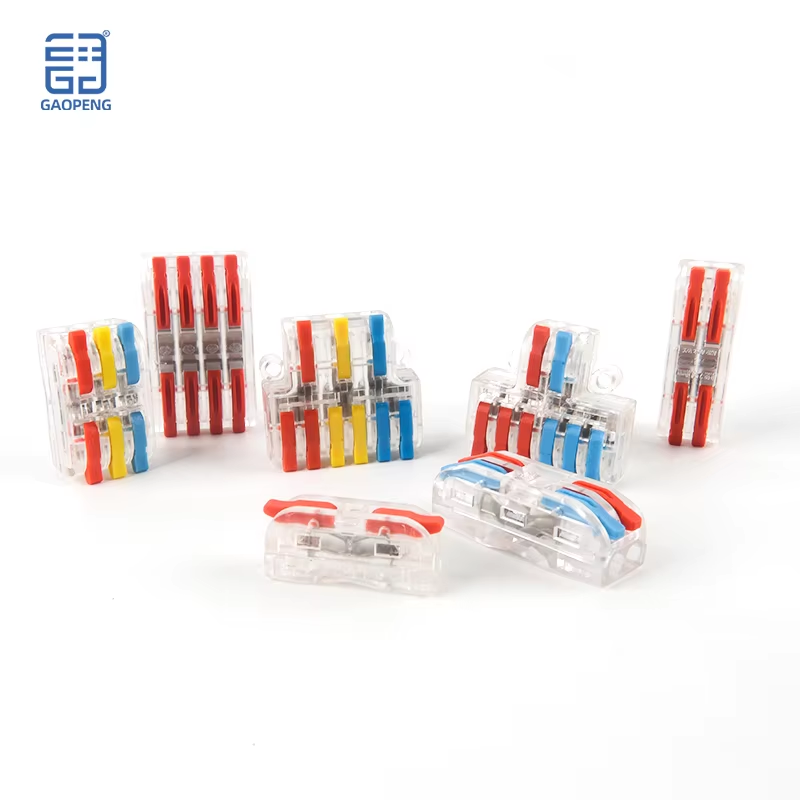
Introduction to the Installation Method of High-Current Terminals
The installation of high-current terminals (usually referring to terminals that carry currents from tens of amperes to several hundred amperes or more) is a task that requires careful operation. The key is to ensure low contact resistance, reliable mechanical connection, and good heat dissipation. The following is a detailed guide on installation, covering preparation, procedures, and precautions.
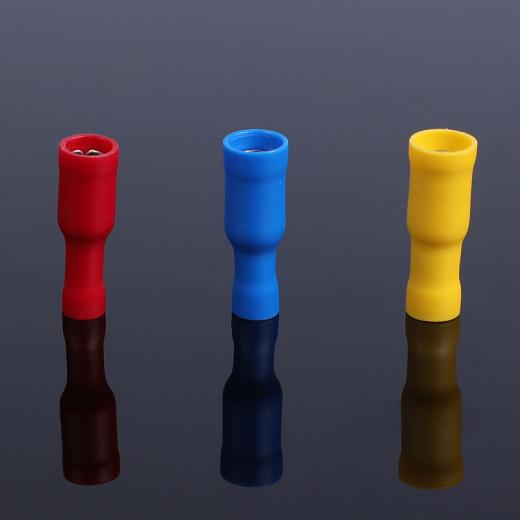
What is the difference between a terminal block and a terminal?
What is a Terminal Block Strip
A terminal block strip refers to a fixed assembly of specialized terminals used in power electronic wiring connections, required to connect devices inside a panel with devices outside the panel.
Features of Terminal Block Strips
Terminal block strips usually use letters/pinyin and numbers to indicate the current capacity of the terminal connections, dimensions, number of endpoints, and the model of the manufacturer's product series. Additionally, the number of ports on a terminal strip can vary and can be customized according to user requirements.
Functions of Terminal Block Strips
The main functions of a terminal block strip are:
1) To organize wires more conveniently. Marking each terminal makes it clearer and more aesthetically pleasing, and easier to maintain; otherwise, a bunch of wires tangled together can become confusing.
2) To control the closing and opening of connections, making usage and operation easier.