Leave Your Message
Picking the righT connectors really makes all the difference when you're working on an electrical project. And honestly, Crimp Type Wire Connectors are some of the most popular choices out there. I recently came across a market report that says the global wire connectors market might hit around $3.5 billion by 2027—that’s a huge jump, mostly because there's such a growing need for dependable electrical connections in industries like automotive, telecom, and industrial stuff. Oh, and by the way, Yueqing Gaopeng Electric Co., Ltd. — they’ve been around since 2016 and are based in Wenzhou, Zhejiang Province. They've really made a name for themselves as a top supplier of quality terminals and connectors. With an annual output of billions of units, they export all over the world—think Asia, Europe, the Americas, Africa—making sure projects everywhere get access to these reliable, efficient Crimp Type Wire Connectors that help keep electrical systems running smoothly and confidently.
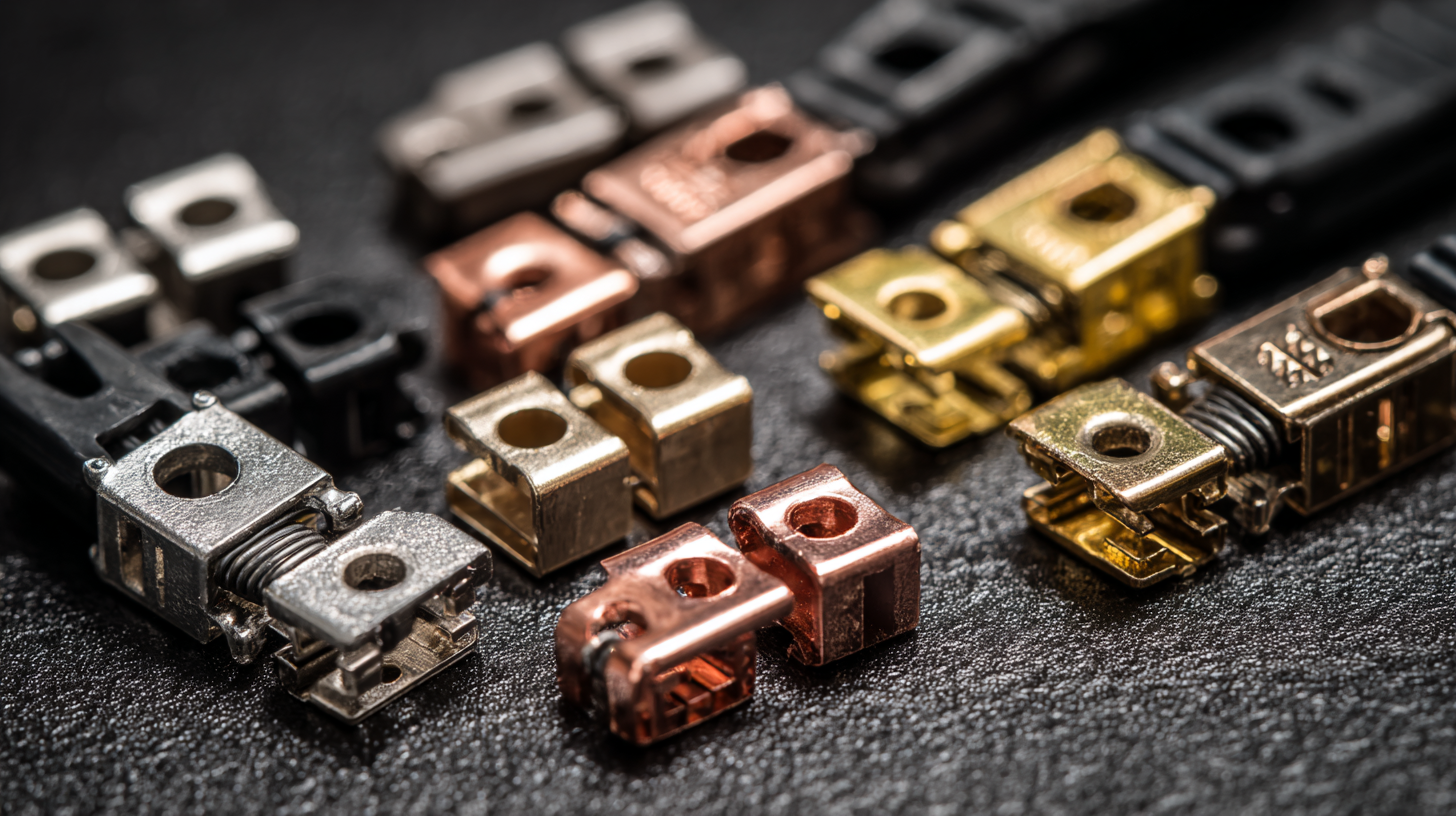
Crimp Wire Connectors might sound pretty technical, but honestly, they’re super important for making sure your electrical connections stay reliable—no matter what project you’re working on. If you’re diving into this stuff, it’s good to get a handle on the different types out there because picking the right one can really make a difference. You’ve got your basics like butt connectors, ring terminals, and spade connectors—each one has its own sweet spot. For instance, butt connectors are great if you need to join two wires end-to-end; they’re simple, secure, and easy to insulate. Then there are ring terminals, which are perfect if you need to attach a wire to a screw or stud—they make grounding a breeze. And spade connectors are super handy if you want to connect and disconnect things quickly, which is why they’re popular in cars and electronics.
When choosing these connectors, don’t forget to check your wire’s gauge and amp rating. Matching the connector size to your wire is key to making a solid crimp and avoiding future problems. Also, consider the materials—copper is common, but tin-coated options can help resist corrosion and give better conductivity. Basically, getting to know the different types and how to use them properly will help you pick the best crimp connectors for your specific needs. It’s all about making your project more efficient and lasting longer—something we all want, right?
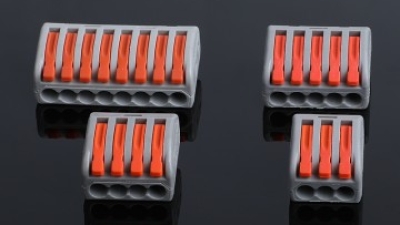
Maximizing efficiency in electrical connections is crucial in both residential and commercial applications. Lever wire connectors have emerged as a significantly advantageous solution due to their ease of use and reliability. Specifically, Gaopeng's GP-21 Series offers exceptional performance with its copper construction and PAR insulation, which ensure optimal conductivity and durability. With a rated current of 250V and voltage of 32A, these connectors are engineered to handle a wide range of electrical demands effectively.
The benefits of using lever wire connectors are noteworthy. According to a recent report by the International Electrotechnical Commission (IEC), improper connections can lead to a 20% increase in failure rates in electrical systems. By implementing high-quality products like the GP-21 Series, users can minimize the risk of connection failures and enhance overall system efficiency. The leverage mechanism not only simplifies the securing process—requiring no special tools—but also ensures a strong, vibration-resistant connection that stands the test of time.
In addition, ongoing research in the electrical components industry showcases a trend towards increased adoption of lever wire connectors. A study by the Electrical Manufacturers Association (EMA) indicates that systems utilizing these connectors report a decreased installation time of up to 50%, allowing for quicker project turnaround times. This efficiency gain is critical in industries where time is of the essence, further highlighting the importance of selecting reliable connectors like Gaopeng's GP-21 Series to maximize performance while minimizing potential issues.
: Key factors include the gauge of the wire, the type of material used (copper vs. aluminum), and the environmental conditions (moisture, extreme temperatures) where the connectors will be used.
The gauge of the wire is crucial because different connectors are designed for various wire sizes. Using the wrong gauge can lead to poor connections or connector failure.
Connectors made from copper are generally preferred as they offer better conductivity compared to aluminum, ensuring more reliable connections.
If the connectors will be exposed to moisture or extreme temperatures, it's important to select connectors with insulation or coatings that protect against corrosion and environmental damage.
It's advisable to test the crimp strength using a simple pull test to ensure a reliable connection and avoid potential failures.
Current ratings indicate how much electrical current a connector can safely carry without overheating. Choosing connectors that meet or exceed the required current ratings is essential for safety and performance.
Voltage ratings indicate the maximum voltage a connector can handle. Using connectors with insufficient voltage ratings can lead to arcing or short circuits.
Low-resistance connectors minimize energy loss and heat generation, which is important for ensuring optimal performance in electrical installations.
Crimp wire connectors are widely used in automotive wiring, industrial automation, and consumer electronics.
Compliance with industry standards set by organizations like the International Electrotechnical Commission (IEC) and the American National Standards Institute (ANSI) ensures the quality, safety, and longevity of electrical connections.
When you're trying to pick the best crimp style wire connectors for your project, it's pretty important to get a good handle on the different types out there and what they're best used for. Things like the materials used in these connectors really matter — they can make or break the connection’s reliability. Also, don’t forget to check the ratings for current, voltage, and resistance, so you’re not ending up with something that can’t handle your setup. And of course, using proper crimping techniques and the right tools is key to making sure your connections are solid and up to industry standards.
Yueqing Gaopeng Electric Co., Ltd., started back in 2016, and they’ve really made a name for themselves in designing and manufacturing crimp-type wire connectors and all kinds of terminals. They produce these in huge numbers—think billions annually. Their products are exported all over the world, from Asia to Europe, America, and Africa. The company’s all about delivering high-quality stuff that meets the needs of different industries, making sure electrical connections are safe and efficient. Honestly, they’re pretty serious about quality and reliability, which is a big plus if you’re looking for trustworthy connectors.
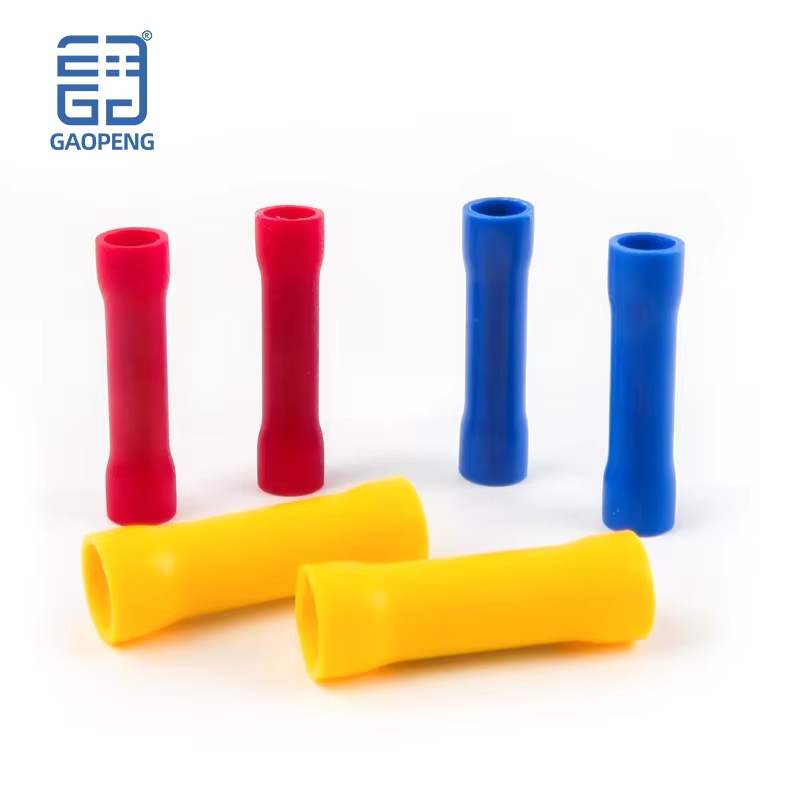
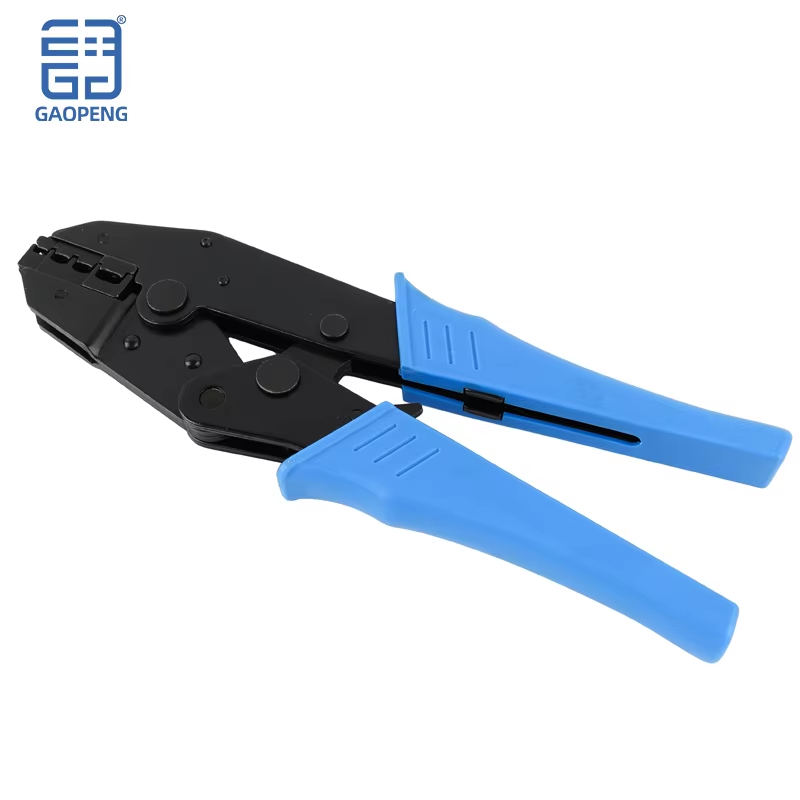
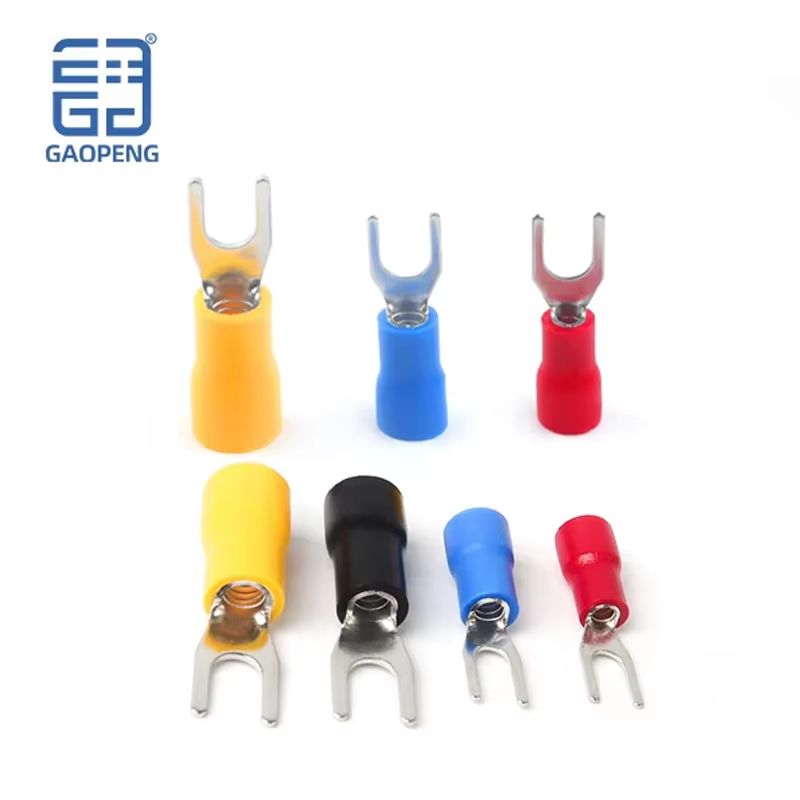
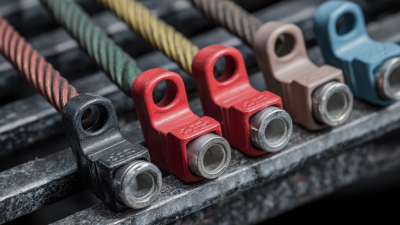
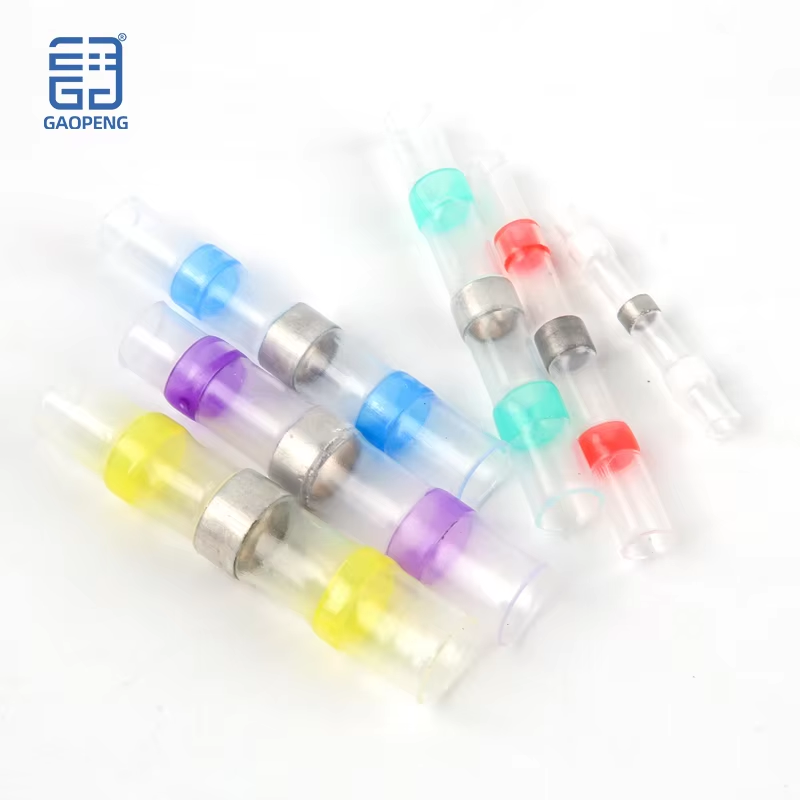
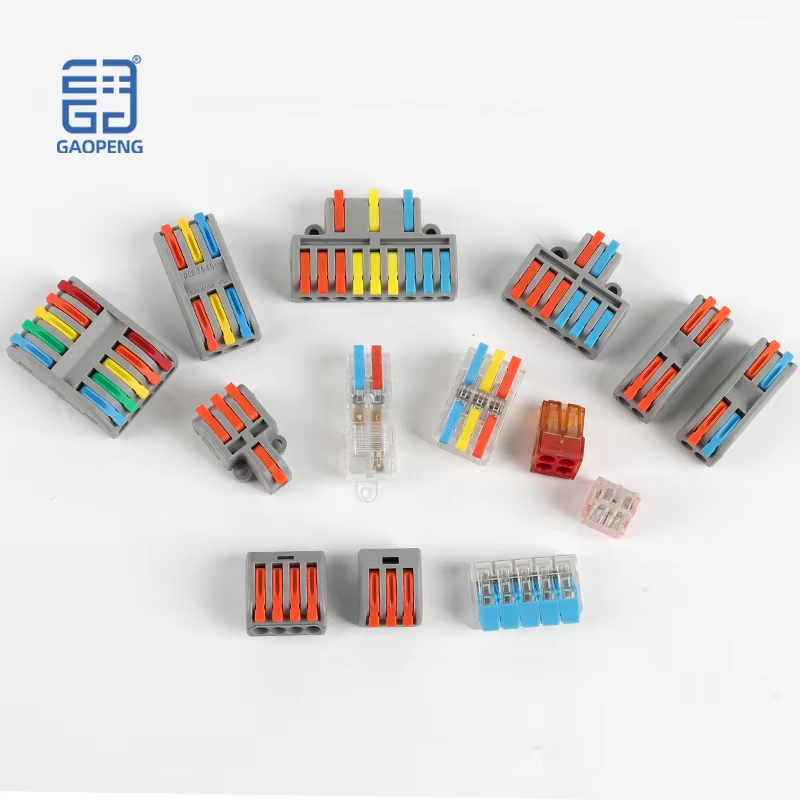


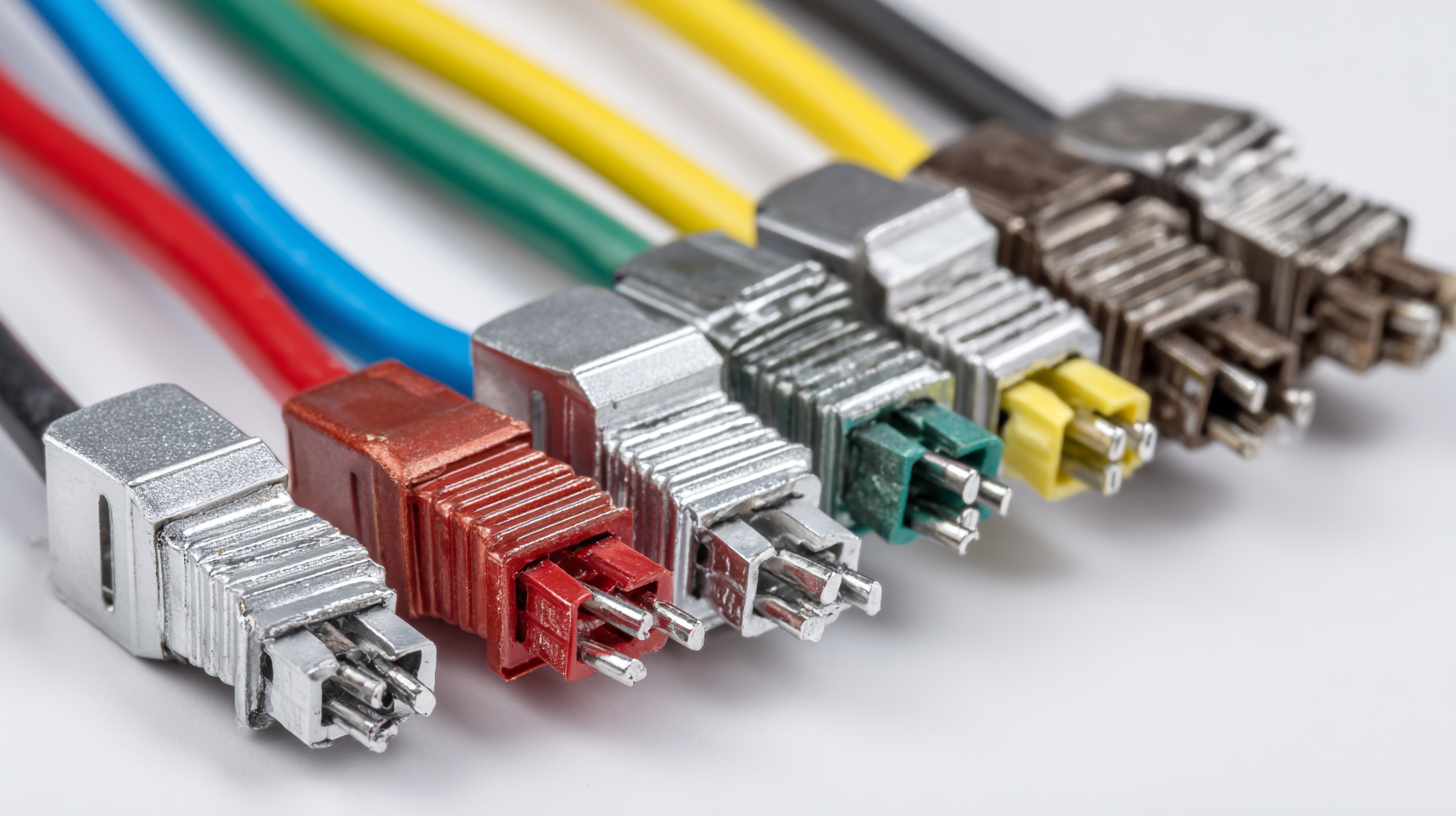
 Crimp wire connectors are pretty popular across various industries, mainly because they're reliable and super easy to install. You’ll see them all over the place — in cars, industrial setups, even in your everyday electronics. According to a recent report by MarketsandMarkets, the global market for crimping tools is expected to hit around $1.2 billion by 2026. It’s really driven by how much folks are looking for quick, efficient ways to make solid electrical connections. When it comes to automotive stuff, these crimp connectors are total lifesavers — they hold up well against vibrations and heat, which is a big deal for safety and the overall performance of vehicles.