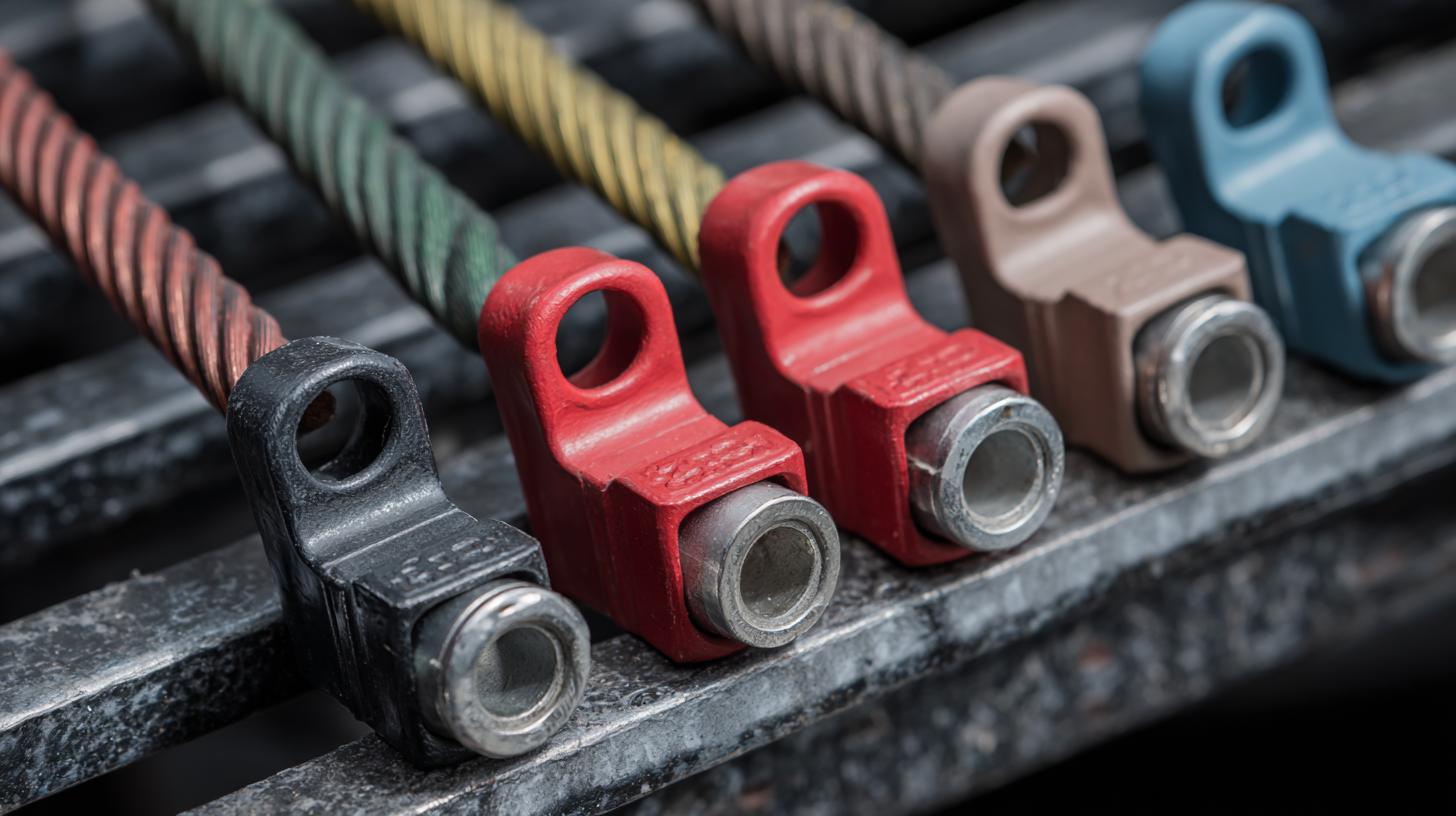
When it comes to the electrical and electronics world, you really can't overstate how crucial it is to have reliable and efficient connections. One of those key players in this scene? Cable Lugs. These little connectors are designed to clamp onto the end of a cable and attach it securely to a terminal. They might seem simple, but they actually do a lot to boost the stability and efficiency of electrical systems.
I came across a report from MarketsandMarkets that said the global market for cable lugs is expected to hit around 2.5 billion bucks by 2025. That’s mainly because more and more sectors—like construction and renewable energy—are demanding super dependable electrical connections.
And speaking of companies in this space, Yueqing Gaopeng Electric Co., Ltd., set up in 2016, has been making a name for itself by designing and producing top-notch terminals and connectors, including cable lugs. They’re rocking an annual output in the billions and have a pretty solid presence exporting to Asia, Europe, America, and Africa.
Understanding Cable Lugs: Definition and Functionality
 Cable lugs might not be the flashiest part of an electrical setup, but trust me, they’re absolutely crucial for making reliable connections—whether you're dealing with big industrial machines or tiny electronic gadgets. Basically, they’re mechanical connectors that attach your cable to a terminal, and they come in a bunch of types like compression, soldered, or just mechanical lugs. Their job is super important because they help keep the electrical current flowing smoothly with minimal resistance, which is key to keeping everything working efficiently.
I remember reading a report from the International Electrotechnical Commission—IEC, for short—and it pointed out that a large chunk of electrical problems happen because of poor connections. That just shows how vital good-quality lugs really are when you’re setting up or maintaining electrical systems.
Types of Cable Lugs: A Comprehensive Overview
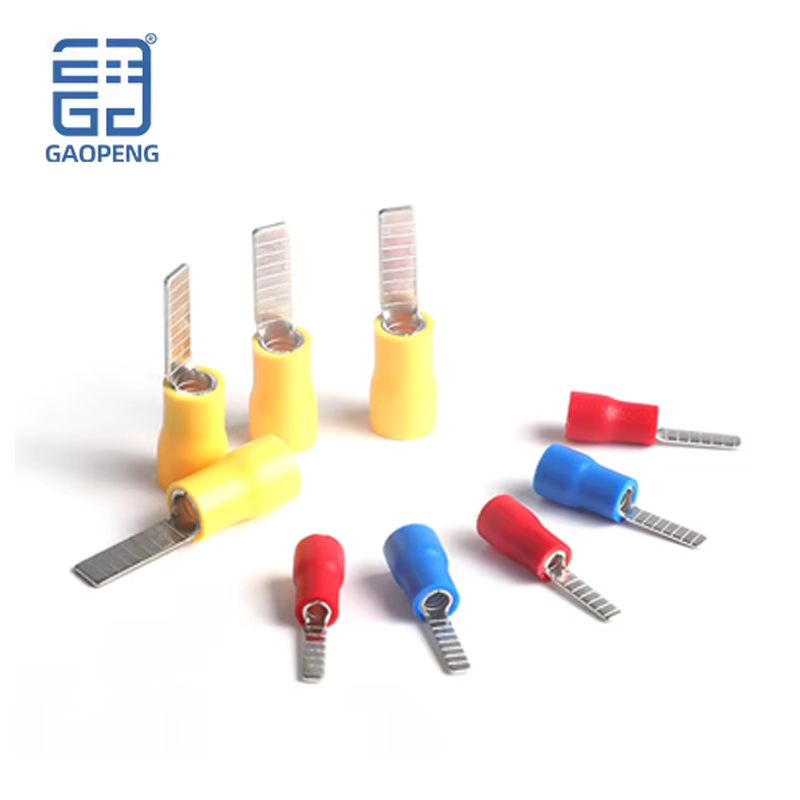
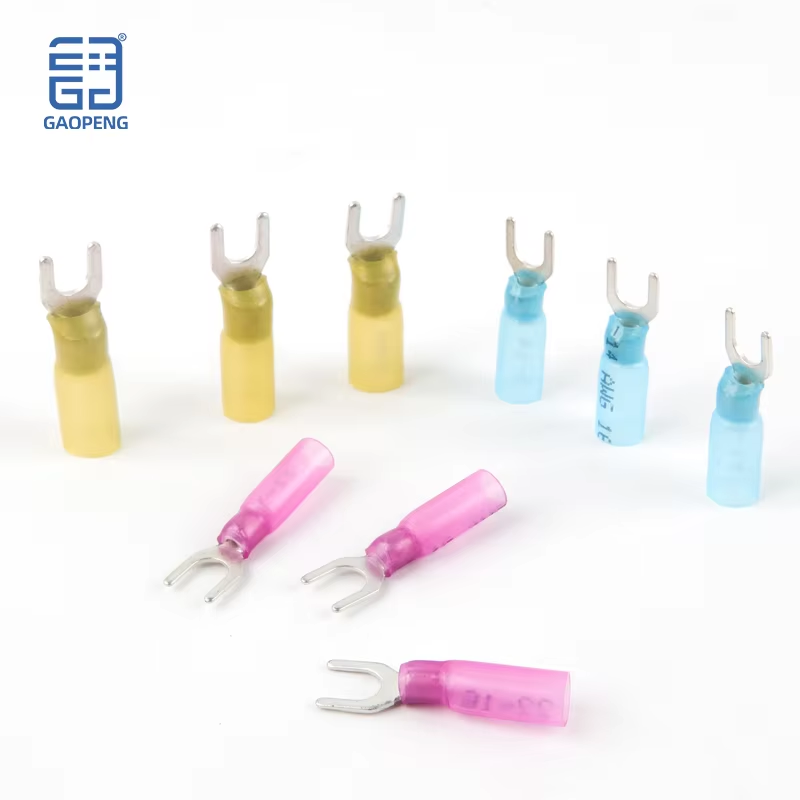
Cable lugs might not be the flashiest part of an electrical setup, but trust me, they’re absolutely essential. They act as the vital link between cables and terminals, making sure everything stays connected safely. There are quite a few types out there, each tailored for different needs and environments. You’ve got crimp lugs, mechanical lugs, and Insulated Lugs—each with its own perks. Interestingly, a recent report from MarketsandMarkets says the global market for these little guys is expected to jump significantly, aiming for around USD 1.5 billion by 2025. That’s mainly thanks to the growing demand in sectors like renewable energy and power distribution.
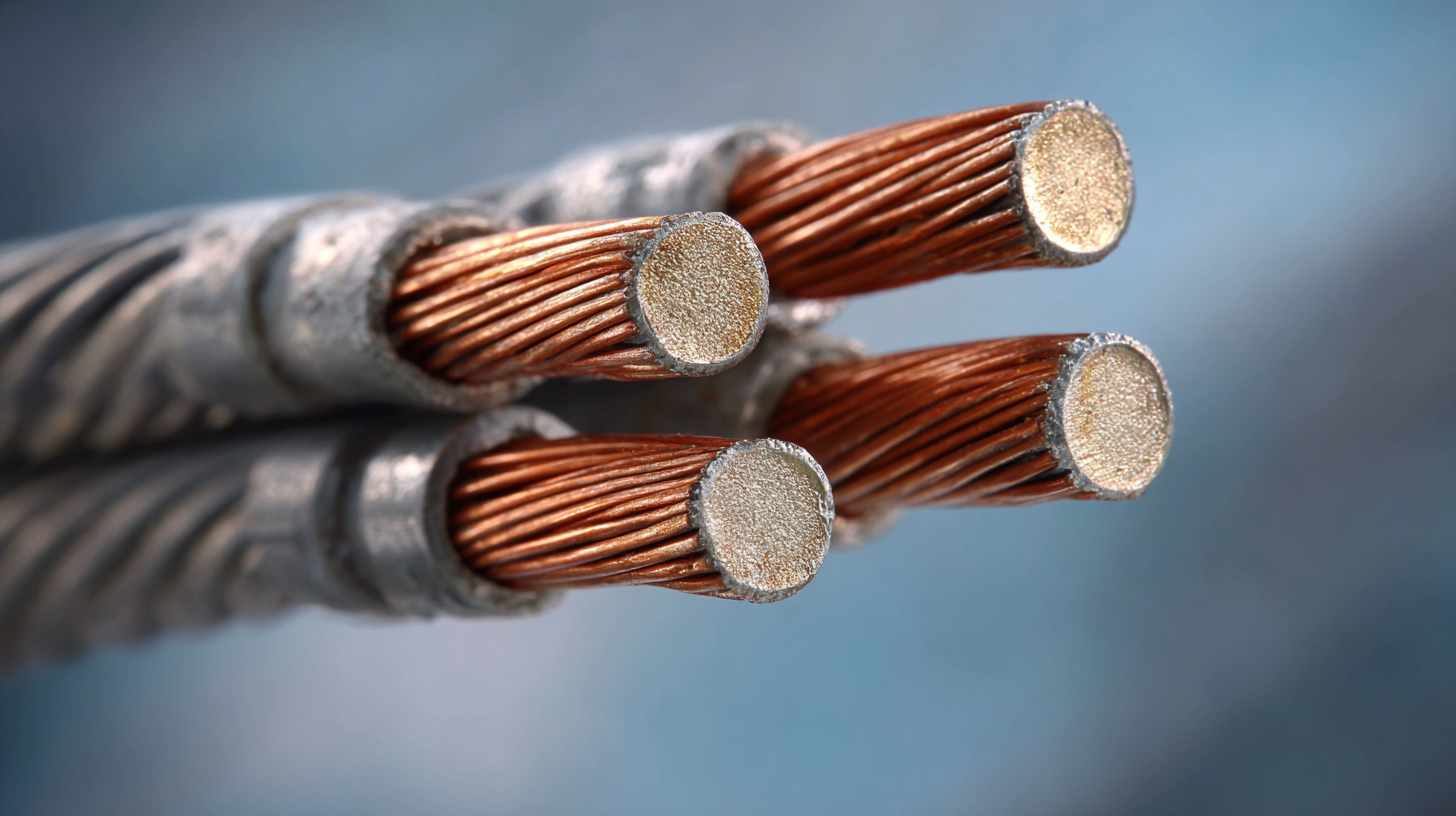
Now, let’s talk about the types. Crimp lugs are pretty popular because they’re easy to install and reliable—usually just a quick squeeze with a crimping tool, and bam, you’ve got a solid, low-resistance connection that conducts electricity well. Mechanical lugs, on the other hand, rely on bolts, making them perfect for heavier-duty stuff where strength really matters. And then there are insulated lugs—they add that extra layer of protection from weather and other outdoor elements, which is a big win for outdoor setups. According to the International Electrotechnical Commission (IEC), picking the right type of lug and using it correctly can really boost the efficiency of your electrical system. Plus, it helps cut down on failures and future maintenance costs—always a good thing, right?
Benefits of Using Cable Lugs in Electrical Applications
Cable lugs might not be the most glamorous part of electrical work, but they’re honestly pretty important when it comes to making solid connections across different setups. Basically, they help attach cables securely to electrical equipment, which means your power stays efficient and reliable. I read somewhere that the global market for these little connectors could hit around $2.7 billion by 2025 — that’s a lot of demand, mainly because industries are really looking for energy-efficient and dependable connections nowadays.
One of the biggest perks of using cable lugs is that they help cut down on electrical resistance, so less energy gets wasted. According to NEMA, if you install them correctly, failure rates can drop by as much as 70%. That’s a huge improvement and means your electrical systems last way longer. Plus, they come in a variety of materials like copper and aluminum, so you can pick the right type depending on what you need for your specific setup. All in all, these connectors are super important for keeping electrical connections safe and efficient — especially now, with everything moving so fast in the energy world.
Step-by-Step Guide: How to Properly Install Cable Lugs
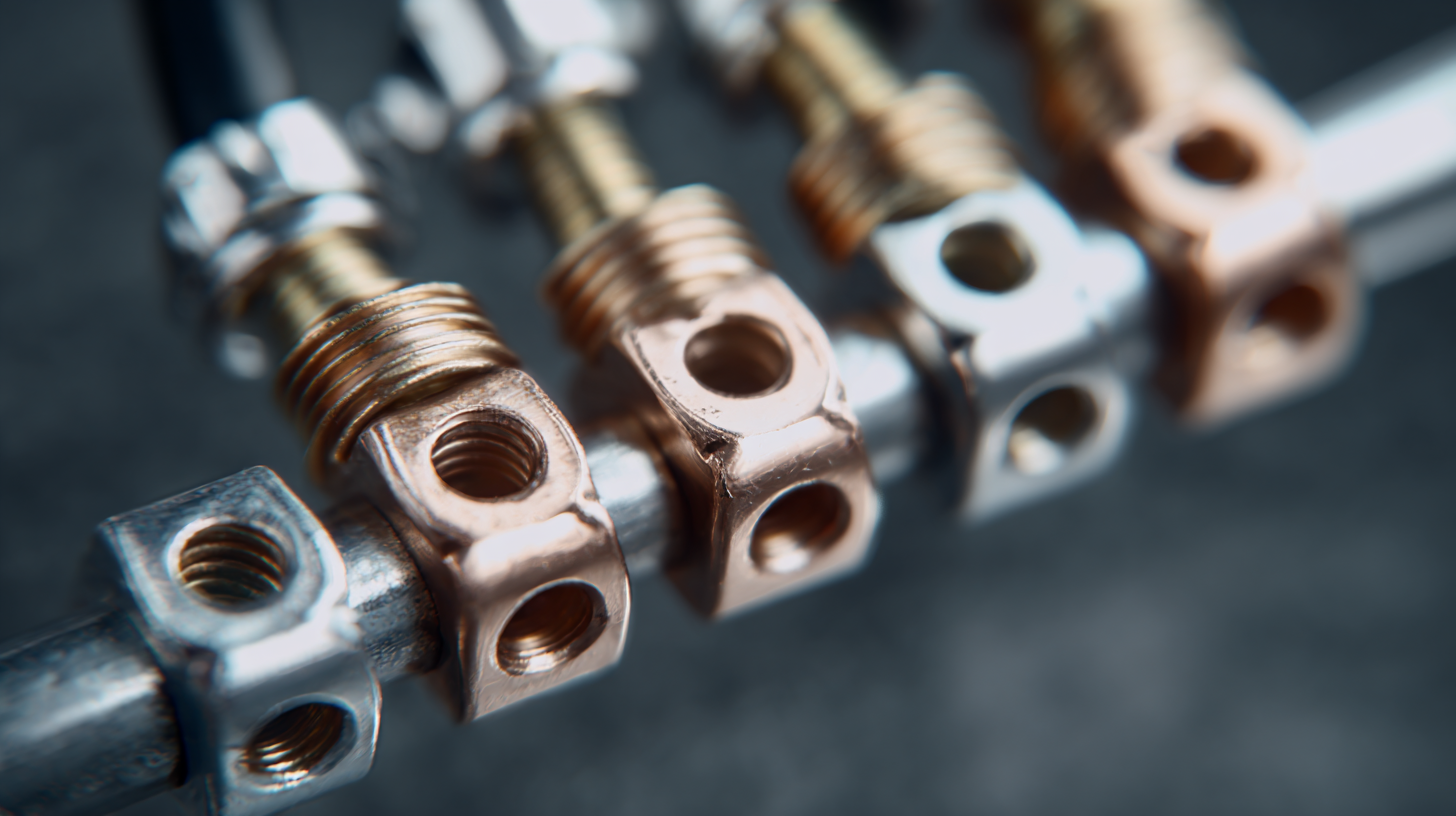
Cable lugs might not be the flashiest part of an electrical setup, but honestly, they’re pretty darn essential. Think of them as the reliable connectors that attach your cables to terminals, switches, or distribution blocks. When you use a good-quality cable lug, it can really boost both the safety and the reliability of your electrical connections. Industry standards basically tell us that choosing the right lug ensures solid electrical contact with minimal resistance — which is super important to prevent things like overheating or future failures. There are all kinds of these lugs out there — crimped, soldered, bolted — and picking the right type really depends on your cable size and what you're doing. Trying to force one size or type on everything? Not the best idea if you want things to run smoothly in the long run.
When you're installing these lugs, taking a systematic approach can make a huge difference. First, make sure you strip the cable to the right length and that the strands are nice and tidy. Using the proper crimping tool and die size is also key — a bad crimp can lead to loose connections or, worse, damage the conductor. Believe it or not, improper installation can cut the lifespan of your connections by up to 30%, which is a pretty big deal when you think about it. So, following best practices—like tightening bolts to the right torque and checking your connections periodically—really pays off. That way, your electrical system stays safe, efficient, and hopefully problem-free for longer.
Common Mistakes to Avoid When Working with Cable Lugs
When you're working with cable lugs, it's super important to watch out for some common mistakes that can actually cause bad electrical connections or even pose safety risks. One thing that trips people up is choosing the wrong size lug for the wire. If the lug doesn’t match the wire gauge, it can overheat or the connection might fail — not what you want, obviously. Always double-check the specs of both the cable and the lug to make sure they’re compatible.
Another mistake folks often make is not tightening the lug enough when attaching it to the cable. If it's too loose, you get a weak connection; if you go overboard with the torque, you risk damaging the wire or the lug. To keep things safe and reliable, I recommend using a torque wrench and sticking to the manufacturer's guidelines. Proper tightening really makes a difference in conductivity and overall connection durability.
And don’t forget, before installing, make sure to inspect the lugs. Damaged, rusty, or badly coated lugs can mess with your electrical performance. Make it a habit to give each one a quick once-over — check they’re clean and in good shape. Following these simple tips really helps keep your electrical connections efficient and safe. Trust me, small details like this make a big difference in the long run!
Maintenance Tips for Prolonging the Life of Cable Lugs
When it comes to keeping electrical connections in good shape—especially with cable lugs—staying proactive is super important if you wanna extend their lifespan and keep things running smoothly. These little guys are pretty crucial in electrical setups since they help create solid connections that allow electricity to flow without hiccups. To get the most out of them, I’d say the key is regular check-ups and a quick clean now and then. Making sure those contact points aren’t covered in corrosion or dirt can really cut down on the chances of electrical problems popping up.
And here’s a little tip—when you're tightening those cable lugs, don’t go all crazy with the torque. Using the right specs matters because over-tightening can bend or damage them, and on the flip side, too loose and you risk a connection that's just not reliable. It’s kinda like how folks tell you to look after your car’s battery to avoid getting stranded—same idea here. If you stay on top of this stuff, you’ll not only boost how long your connections last, but you'll also keep everything safer and more dependable overall.
FAQS
: Cable lugs are essential components in electrical systems that serve as the crucial connection between cables and terminals, facilitating reliable electrical connections.
The main types of cable lugs include crimp lugs, mechanical lugs, and insulated lugs, each designed for specific requirements and environmental conditions.
Crimp lugs are widely favored for their ease of installation and reliability, as they create a secure connection using a crimping tool, ensuring minimal resistance and enhanced conductivity.
Mechanical lugs should be used in heavier applications where robust mechanical strength is required, as they rely on bolt connections.
Insulated lugs provide additional protection against environmental factors, making them ideal for outdoor installations and enhancing safety.
A common mistake is using the wrong size lug for the wire, which can cause overheating and failure of the connection.
Inadequate torque when fastening a lug can result in a loose connection, while excessive torque can damage the lug or cable, affecting conductivity and reliability.
Inspecting cable lugs is crucial to avoid using damaged, corroded, or improperly coated lugs, which can compromise electrical performance and safety.
Regular inspection and cleaning of cable lugs, ensuring contact surfaces are free from corrosion or dirt, along with using proper torque specifications, can significantly prolong their lifespan.
Proper maintenance of cable lugs enhances their durability, safety, and reliability, preventing costly disruptions in electrical systems.
Conclusion
Cable lugs are pretty much unsung heroes when it comes to making electrical connections safe and solid. Basically, they help you attach wires to different devices and systems in a way that’s both secure and reliable. There are various types out there, each designed for specific needs, so understanding how they work is really key if you want your electrical setup to perform at its best. Plus, using cable lugs brings a bunch of benefits—like better conductivity and longer-lasting connections—which means your systems won’t wear out as quickly and will keep running smoothly.
At Yueqing Gaopeng Electric Co., Ltd., we’re passionate about designing and manufacturing top-quality cable lugs and terminal connectors. We’ve got a solid annual output, and because quality is our top priority, we export all over the world—Asia, Europe, America, Africa—you name it. But here’s a quick heads-up: correct installation actually makes all the difference. That’s why we’ve put together a handy guide with the essential steps and maintenance tips, so you can avoid the usual mistakes and get the most out of your cable lugs for years to come.