When you're working on electrical projects, picking the right components is kinda essential if you wanna get things right. Take butt connectors, for example—they’re small but super important because they make sure your connections stay solid and secure. These connectors come in all sorts of styles and sizes, which can honestly make choosing the right one feel a bit overwhelming. But trust me, selecting the right Butt Connector really makes a difference when it comes to the overall reliability of your wiring.
When you're shopping around, keep an eye on things like what material the connectors are made of and the type of insulation they have. Not all connectors are created equal, and some won't stand up well in certain environmental conditions. It’s a good idea to think about what your project specifically needs. Taking the time to do this can save you a lot of headaches and cash down the line. Sure, experience helps, but sometimes personal preference or past projects influence your choice too—so don’t be afraid to go with what feels right based on your own hands-on work.
Choosing the right butT connectors means paying attention to detail and really understanding your project’s requirements. The performance of these little connectors can totally impact how smoothly everything goes. If you’re feeling unsure, chatting with experts or checking out good resources can really help clear things up. And honestly, it’s worth prioritizing quality over saving a few bucks—because in the long run, you'll thank yourself for it. Making smart, informed decisions like these keep your projects running smoothly and make the whole process a lot more satisfying.
Understanding Butt Connectors: Definition and Purpose
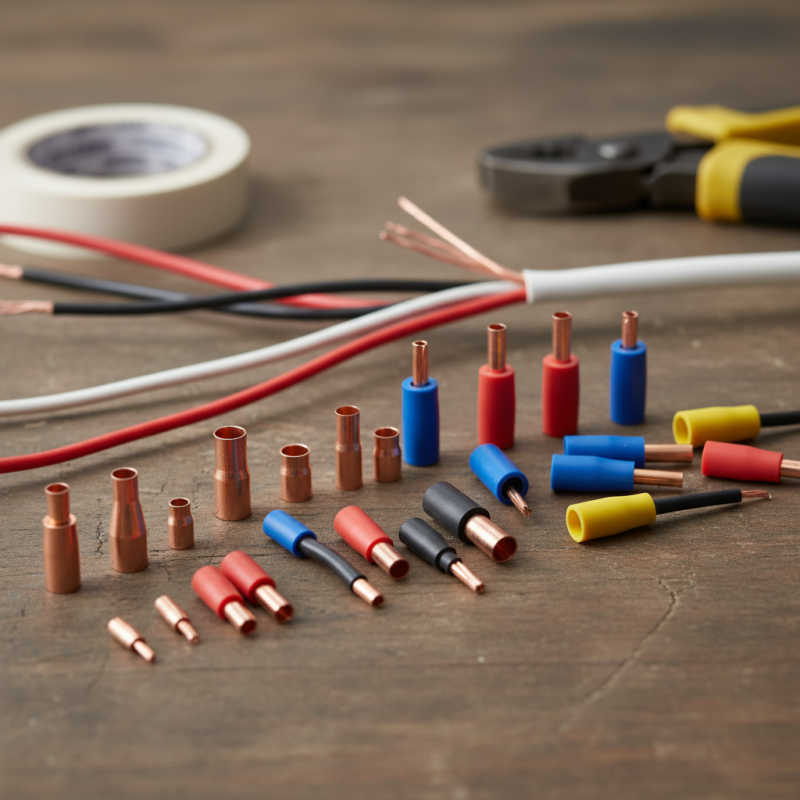
Butt connectors play a vital role in electrical connections. These components are designed to join two wires efficiently. They provide a secure, insulated, and reliable connection, which is essential for various projects. Understanding their purpose helps you make informed decisions.
Choosing the right Wire Butt Connectors is crucial. Consider factors like wire gauge and material. A connector must match your wire size for optimal performance. Using the wrong connector can lead to weak connections and potential failures. Always check compatibility before making a choice.
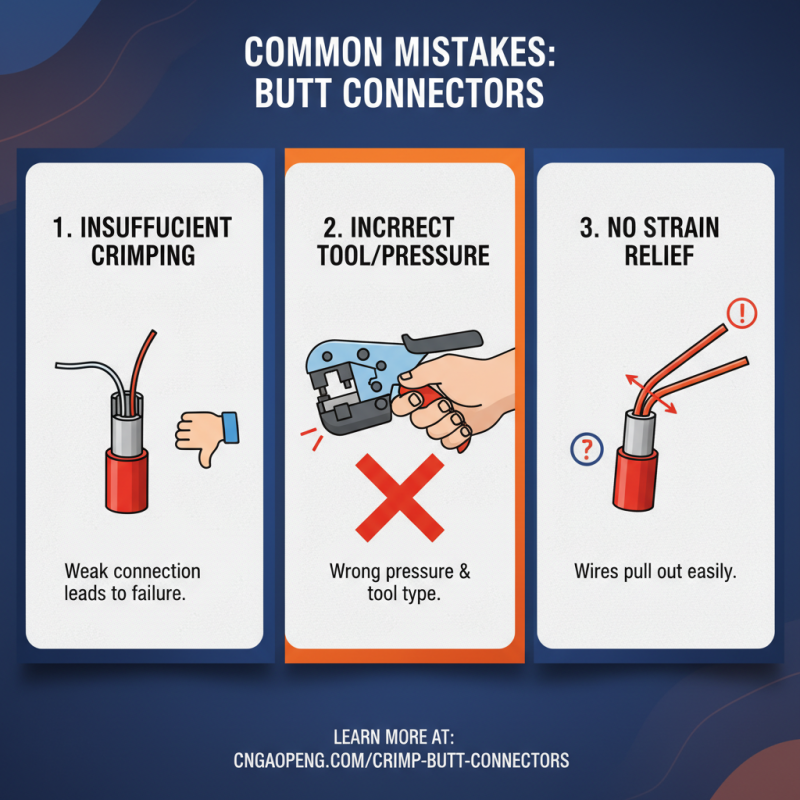
A noticeable concern is the installation process. Improperly Crimped Connectors can lead to poor conductivity. Make sure your tools are correct and that you apply the right pressure. A good connection will last longer. Pay attention to the environment as well.Exposure to moisture can affect your connections.
Types of Butt Connectors: An Overview of Common Variants
When selecting butt connectors, understanding the various types is crucial. Butt connectors come in several common variants, each designed for specific applications. Crimp connectors are popular for their ease of use and secure electrical connections. These connectors require a crimping tool to attach to the wire securely, ensuring a reliable connection. They are often used in automotive and household wiring projects.
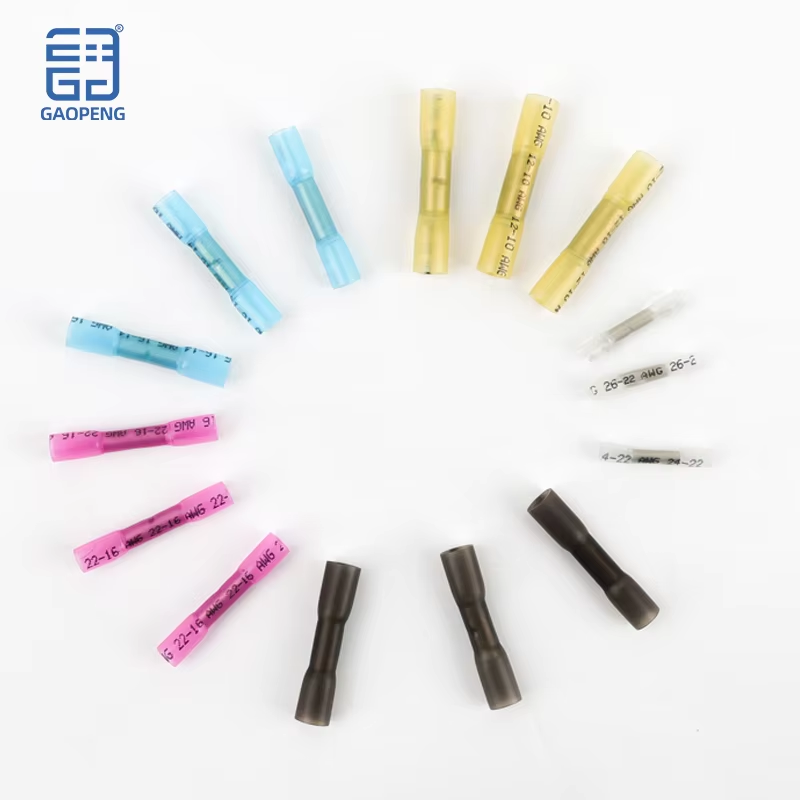
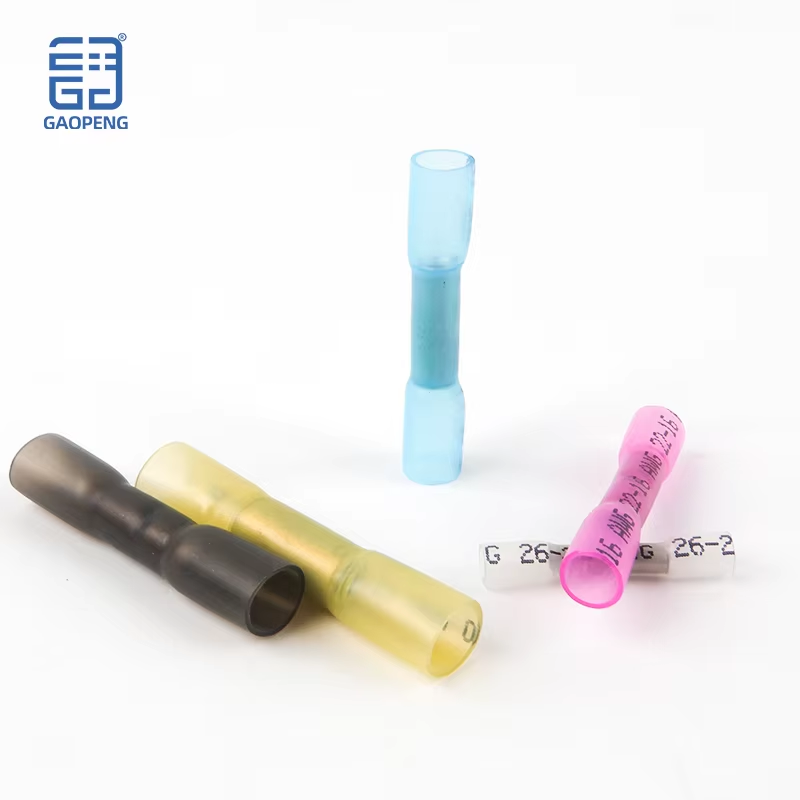
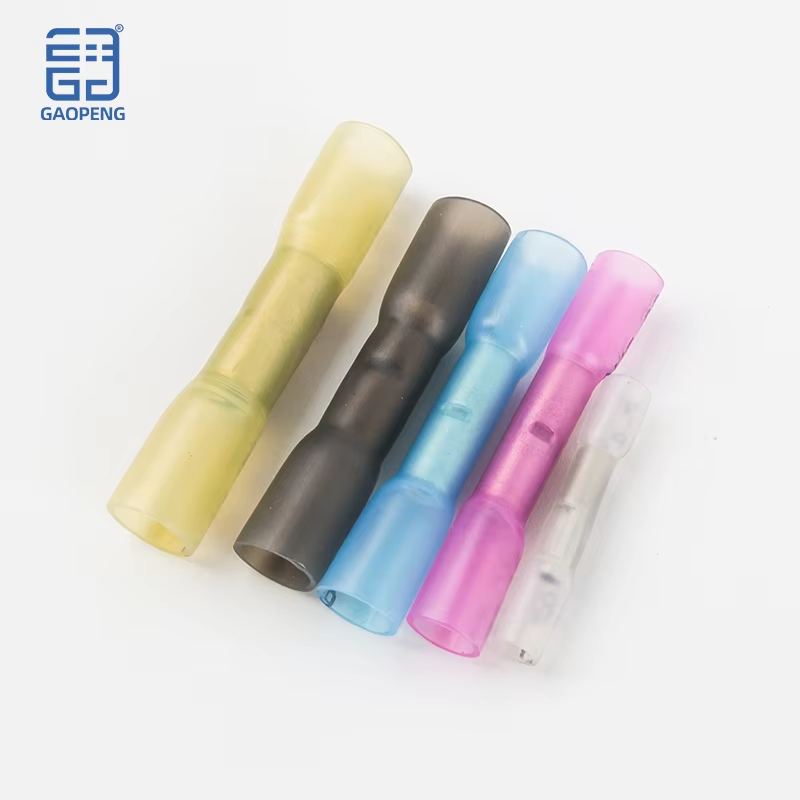
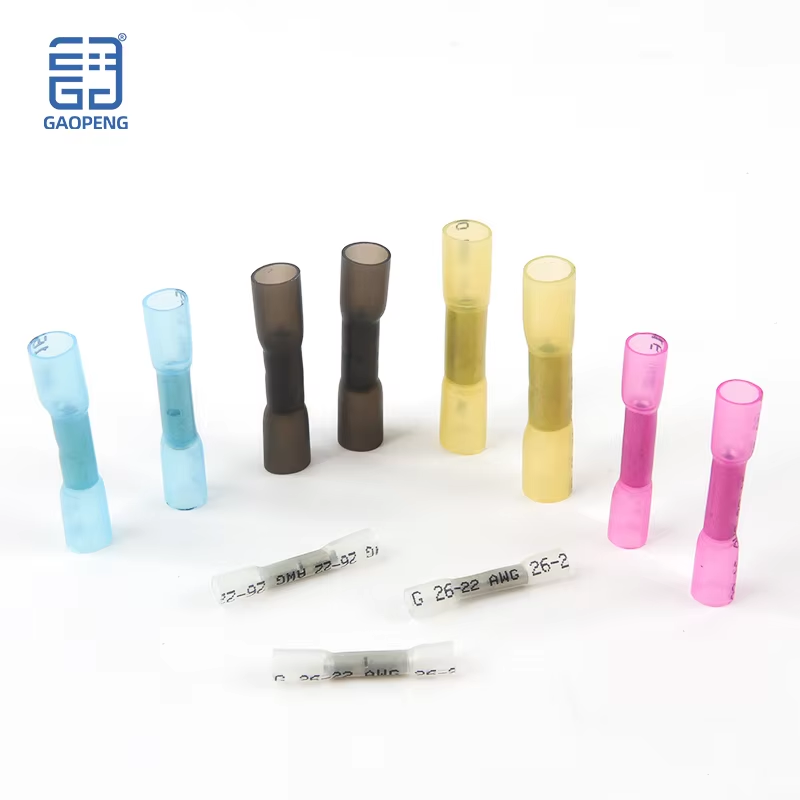
Another type is heat shrink butt connectors. These connectors provide additional insulation and protection against moisture. Once crimped onto the wire, applying heat causes the connector to shrink tightly around the wire. This feature makes them ideal for outdoor or harsh environments where exposure to humidity can be a concern. However, they require careful handling during the heating process to avoid damage.
For those working on heavy-duty projects, consider using vinyl-insulated butt connectors. These connectors offer durability and resistance to corrosion. While they can be a bit bulkier, they provide excellent long-term performance. Users often reflect on their experiences with these connectors, learning that choosing the right type can significantly impact the project's overall success. When installing Wire Connectors Butt, ensuring a proper fit is essential for safety and efficiency.
Key Factors to Consider When Choosing Butt Connectors
When selecting butt connectors for your projects, several key factors should be carefully considered. One important aspect is the wire gauge. Common gauges range from 16 to 22 AWG. The connector must match the wire size to ensure optimal conductivity and a secure fit. Proper sizing can minimize resistance and heat buildup, which can lead to failures.
Another factor is the material. Most butt connectors are made of copper or aluminum. Copper offers lower resistance and better conductivity compared to aluminum. However, aluminum is lighter and often less expensive. Research indicates that copper connectors can improve connected reliability by over 30%. This is a significant consideration when choosing connectors for high-performance applications.
When using butt connectors, ensure that they are crimped securely. A poorly crimped connector can lead to failure. Use a quality crimping tool for consistent results. Prioritize connectors that provide a good insulation rating to prevent short circuits. Look for connectors rated for the voltage levels you anticipate in your project. Utilizing heat shrink tubing can also enhance durability, preventing moisture ingress and making connections more robust.
Pay attention to environmental factors that may affect your connectors. If the connectors will be exposed to harsh conditions, consider choosing heat-resistant or waterproof types. Not all connectors are created equal; testing is essential to determine their suitability in real-world applications. Always keep in mind the long-term performance and reliability of your connections.
Top Tips for Choosing the Best Butt Connectors for Your Projects
This chart illustrates the importance of various factors to consider when selecting butt connectors for your projects. Material quality ranks highest, followed by temperature rating and corrosion resistance, reflecting their critical roles in ensuring reliable connections.
Material Matters: Choosing the Right Material for Your Project
When choosing butt connectors for your projects, the material plays a critical role in performance and durability. Common materials include copper, aluminum, and nylon. Each has its unique properties and applications. According to the Electrical Safety Foundation International (ESFI), copper connectors provide excellent conductivity and corrosion resistance. This makes them ideal for high-performance electrical connections.
Nylon, on the other hand, offers insulation and protection against environmental factors. Its mechanical strength ensures reliability. However, it may not conduct electricity as efficiently as copper. Industry reports suggest using nylon connectors in applications exposed to moisture to prevent degradation. Missteps in such choices could lead to failure in crucial electrical systems, emphasizing the need for careful material selection.
Aluminum connectors are lightweight and can be a cost-effective option. But they may require additional treatment to prevent corrosion. A study by the National Electrical Contractor Association (NECA) indicated that nearly 30% of electrical failures are traceable to poor connections. This highlights the importance of understanding the nuances of each material. Making an informed choice can significantly impact the longevity and safety of your project.
Sizing and Compatibility: Ensuring Proper Fit and Function
Choosing the right butt connectors for your electrical projects requires careful consideration of sizing and compatibility. A well-fitted connector enhances reliability and performance. Industry studies show that improper sizing leads to up to 30% failure rates in electrical systems. Ensuring the correct gauge is essential. Evaluate the wire size and match it with the connector’s specifications. This minimizes the risk of overheating and potential short circuits.
Connectivity options also vary by application. Your project may involve marine, automotive, or industrial uses. Each environment has unique challenges and standards. Review the environmental conditions and select connectors that can withstand these elements. This is crucial for long-term stability and safety.
Tip: Always double-check compatibility before making a purchase. Consider factors like insulation type and heat exposure. Testing connectors in real-world conditions can also provide insights into their performance. It's sometimes easy to overlook these details until issues arise. Be proactive. Developing a checklist of compatibility factors can help streamline your selection process.
Top Tips for Choosing the Best Butt Connectors for Your Projects
| Connector Type | Wire Gauge Compatibility | Material | Temperature Rating | Usage/Application |
| Standard Butt Connector | 22 - 16 AWG | Copper | -40°C to 85°C | Automotive wiring |
| Heat Shrink Butt Connector | 16 - 14 AWG | Tin-plated Copper | -55°C to 125°C | Marine and outdoor applications |
| Sealed Butt Connector | 12 - 10 AWG | Copper | -40°C to 105°C | Heavy machinery and automotive |
Installation Tips for Effective Use of Butt Connectors
When installing Butt Joint Connectors, proper technique is crucial for lasting results. Begin by stripping the wire ends to expose clean copper. Aim for a length of about half an inch. Make sure no insulation interferes with the connection. A neat strip prevents shorts and ensures better connectivity.
Once prepared, insert the wires into the Butt Joint Connectors. The fit should be tight but not overly forced. Using a crimping tool is essential here. A strong, secure crimp protects against corrosion and breaks. Always inspect your work afterwards. Look for any signs of looseness or misalignment.
For those new to wiring, practice makes perfect. Your first few attempts may not achieve the desired quality. Reflect on each connection, and don’t hesitate to redo them. Ensuring a solid connection with Butt Joint Connectors can prevent headaches down the line. Take your time and focus on clarity.
Common Mistakes to Avoid When Using Butt Connectors
When working with Crimp Butt Connectors, common mistakes can lead to poor results. One frequent error is insufficient crimping. A weak crimp connection may seem secure at first, but it can fail during use. Inspect your crimping tool and ensure you’re applying the right pressure.
Another mistake involves neglecting to strip the wire correctly. If the wire is not stripped properly, it can create gaps. Gaps allow for oxidation, which weakens the connection. Always prepare the wire with precision to avoid such issues.
Using connectors that are incompatible with wire types is also a misstep. Always match wire gauge with the specifications of the butt connector. Furthermore, it is essential to consider environmental factors. Heat or moisture can adversely affect connections. Hence, using inappropriate connectors may lead to failures down the line. Stay informed and double-check your selections.
Maximize Your Electrical Projects with Quick Splice Wire Connectors: A Comprehensive Guide to Efficiency and Safety
Maximizing efficiency and safety in electrical projects is crucial for both professionals and DIY enthusiasts alike. One effective way to achieve this is by utilizing quick splice wire connectors, which offer a range of benefits tailored for demanding electrical environments. These connectors come with a precision-engineered pre-insulated nylon sleeve that can withstand extreme temperatures from -20°C to +80°C, ensuring that they resist oil, moisture, and vibration. The fact that they eliminate the need for heat shrink allows for a significantly faster installation process, up to 50% quicker.
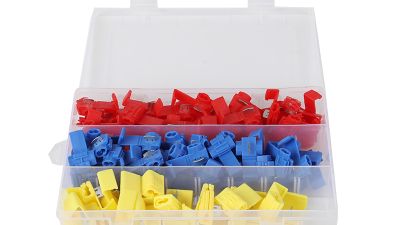
Moreover, the design incorporates military-grade conductivity, featuring a tin-plated brass core that guarantees optimal conductivity levels. This is particularly beneficial during continuous current usage, as these connectors are rigorously tested under high-load conditions. Pairing efficiency with safety, the anti-mismatch color coding—red, blue, and yellow sleeves—greatly reduces the risk of misconnection, enhancing the reliability of your electrical setup by as much as 90%. With a streamlined design that allows for a rapid crimp in just three seconds, these connectors are compatible with standard crimpers, ensuring a user-friendly experience while maintaining a solid, solder-free connection. Implementing these quick splice wire connectors can simplify your electrical tasks while elevating both the safety and quality of your work.
FAQS
: Common materials include copper, aluminum, and nylon. Each has unique properties affecting performance.
Copper connectors have excellent conductivity and corrosion resistance, making them ideal for high-performance uses.
Nylon provides insulation and protection against environmental factors, ensuring reliability in moist conditions.
Aluminum is lightweight and cost-effective but may require treatment to prevent corrosion.
Improper sizing can lead to a 30% failure rate in electrical systems, highlighting the importance of correct gauge matching.
Each application’s environment, like marine or automotive, may demand specific connectors to ensure stability and safety.
Insufficient crimping, improper wire stripping, and matching connectors with incompatible wire types can lead to failures.
Poorly stripped wires can create gaps, leading to oxidation that weakens connections over time.
Create a checklist of compatibility factors to avoid oversight and ensure proper selection for your project.
Testing provides insights into performance, helping identify potential issues before installation.
Conclusion
Butt connectors are essential components in electrical projects, designed to create secure, permanent connections between wires. Understanding their definition and purpose is the first step in selecting the right type for your needs. Various types of butt connectors exist, each suited to specific applications. When choosing butt connectors, key factors such as material, size, and compatibility must be taken into account to ensure optimal performance.
Material selection is crucial, as it impacts conductivity and durability, while proper sizing guarantees a snug fit that enhances the connection's reliability. Additionally, following best installation practices can significantly improve the effectiveness of butt connectors. It's vital to avoid common mistakes during installation, such as inadequate crimping or mismatched sizes, to ensure a successful outcome in your projects. By considering these aspects, you can make informed decisions that lead to successful electrical connections with butt connectors.