Picking the right Cable Connectors for your project isn't just a small detail — it can really make or break your overall setup. I mean, get it wrong, and you might run into connectivity issues or performance hiccups.Interestingly, industry reports are pointing out that the global market for these connectors is expected to hit over $80 billion by 2027. That's mainly because we're seeing more demand for advanced gadgets and stronger communication networks these days.  At Yueqing Gaopeng Electric, which started back in 2016 in Wenzhou, Zhejiang, we’re all about designing and making high-quality terminals and connectors. Our annual production is huge — in the billions — and we’re exporting across Asia, Europe, North America, and Africa. So, yeah, we totally get how important it is to pick the right cable connectors that fit different project needs.
In this blog, I’ll walk you through the key factors you should keep in mind when choosing the perfecT connectors, so you can count on reliable performance no matter what you're working on.
Understanding the Importance of Choosing the Right Cable Connectors
Picking the right cable connectors for your project really matters. They play a big role in making sure your connections are reliable and work efficiently. Trust me, using the right connectors doesn’t just make life a lot easier when assembling everything — it also boosts how well your whole system performs. On the flip side, if you use the wrong or cheap connectors, you might run into issues like malfunctions, data issues, or even safety risks like overheating. So, it’s super important to understand your project's needs and specs before making a choice.
**Tip 1:** First off, look at the electrical specs—think current, voltage, and what kind of signals you’re dealing with. Different projects need different connectors, so knowing these details will help you pick the right one.
**Tip 2:** Don’t forget about the environment! Things like moisture, dust, or really hot or cold conditions can affect how connectors hold up. Picking connectors with good sealing and materials that resist the elements will help your setup last longer and stay reliable.
**Tip 3:** And last but not least, go for connectors that are easy to work with. You want something that connects quickly and stays secure, especially if you're on a tight schedule or need to connect and disconnect often. It’ll save you time and cut down on mistakes when you’re installing everything.
Different Types of Cable Connectors and Their Specific Uses
When you're choosing cable connectors for a project, it’s really important to get a good grasp of the different types out there and what each one is best suited for. I came across a report from Allied Market Research recently, and it said the global market for cable connectors is expected to hit around $87.3 billion by 2027. That’s mainly because more and more sectors—like telecom, auto, and consumer electronics—are demanding these connectors. Knowing the ins and outs of different connector types can actually make or break your project’s success.
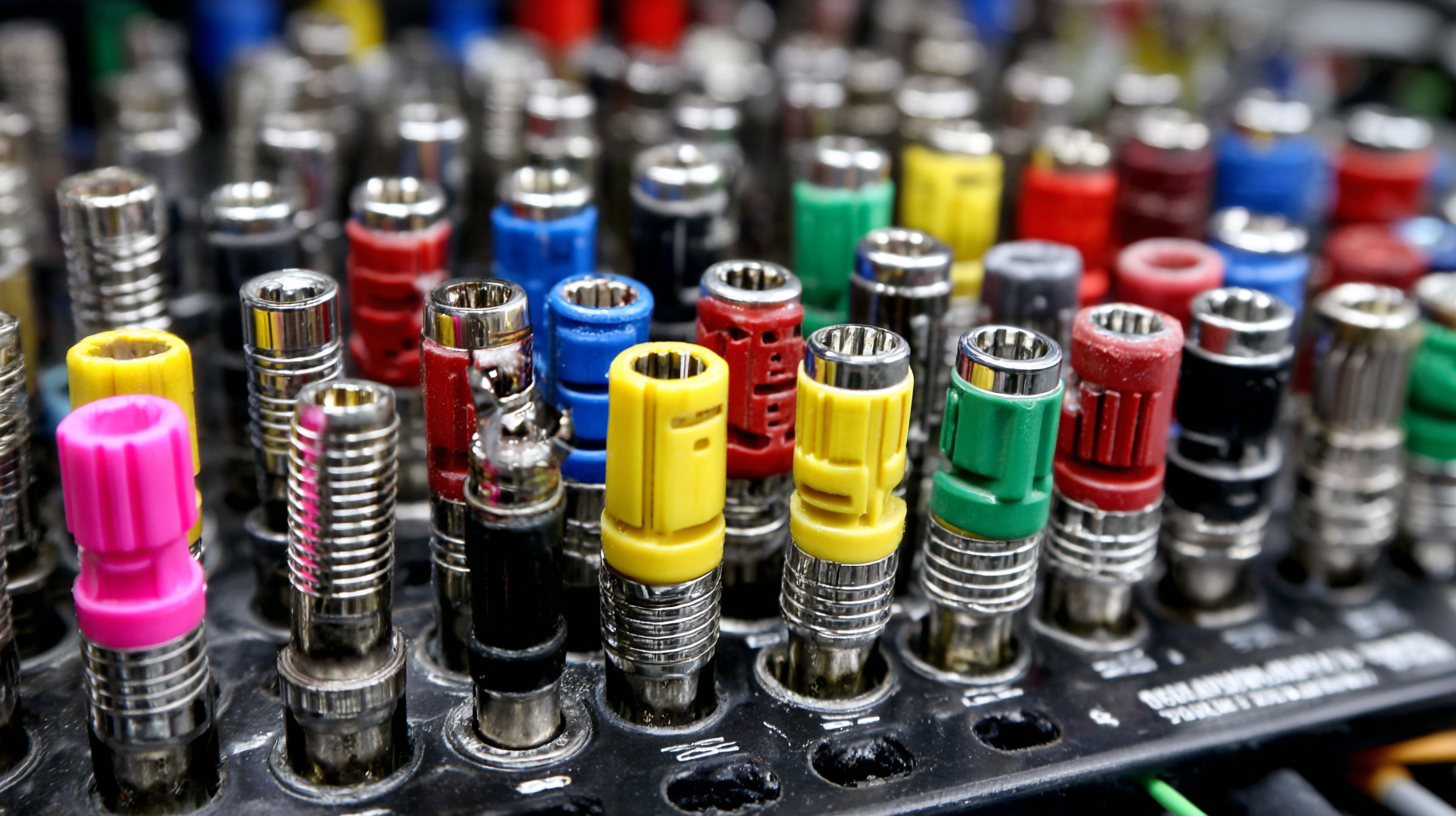
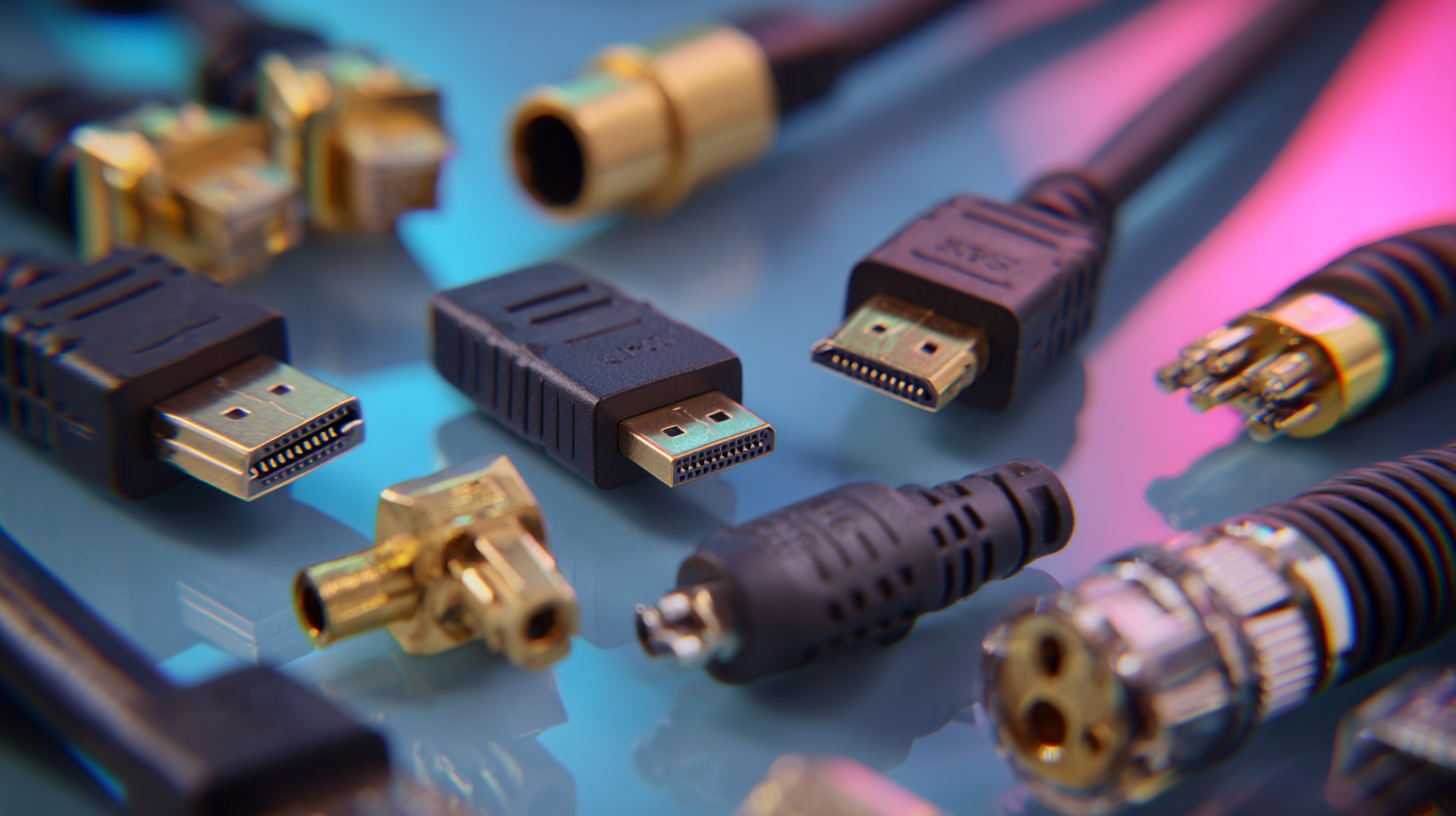
For instance, Molex connectors are super popular in telecom and automotive stuff because they’re reliable and pretty compact. They’re built to handle high-frequency signals, which makes them perfect for data transmission in Ethernet and USB setups. On the flip side, RCA connectors are a staple in audio and video gear—easy to use and straightforward for consumer electronics. Basically, whatever connector you pick should match your technical needs and the environment where it’ll be used. A 2021 industry analysis even pointed out that choosing the wrong connector can cause performance hiccups or, worse, failures down the line. So, it’s definitely worth paying attention to your options!
Factors to Consider When Selecting Cable Connectors for Your Project
When you're choosing cable connectors for your project, there are a few key things to keep in mind to make sure everything works smoothly and fits well. For stuff like military or aerospace uses, the size and weight of connectors really matter — space is always tight, right? So, it's super important to consider how big they are and how much they weigh, especially if you're going for a compact design. On top of that, you want to think about how much they cost and how well they perform — knowing these details helps you make smarter choices that match your budget and performance goals.
Another thing that often gets overlooked is the actual selection process itself. Luckily, there are some pretty cool tools out there now made just for engineers, which can really make life easier. These new design tools are great for teamwork and managing projects, making it way simpler to pick the right antennas, cables, and connectors. Since these parts are such a big deal in tech upgrades and modern system setups, taking advantage of integrated solutions can save you a lot of hassle and confusion. Here at Yueqing Gaopeng Electric Co., Ltd.,, we’re all about offering top-quality connectors and terminals that fit a variety of needs and help you smoothly integrate everything into your projects.
How to Choose the Right Cable Connectors for Your Project Needs - Factors to Consider When Selecting Cable Connectors for Your Project
| Connector Type | Application | Current Rating (A) | Voltage Rating (V) | Material |
| Terminal Block | Power Distribution | 15 | 300 | Plastic |
| RJ45 Connector | Networking | 1 | 50 | Plastic |
| USB Connector | Data Transfer | 2 | 5 | Metal/Plastic |
| XLR Connector | Audio Equipment | 5 | 50 | Metal |
| Coaxial Connector | RF Signals | 10 | 1000 | Metal |
How to Match Cable Connectors with Cable Types and Specifications
So, when you're starting a project that involves electrical connections, it’s really important to make sure the cable connectors you pick match the specific cables and their specs. Seriously, every cable type is a bit different — they vary in size, the amount of voltage they can handle, how much current they carry, and how tough they are against the elements. For example, if you’re dealing with power cables, you want to choose connectors that can handle the voltage and current your project needs. Otherwise, you risk overheating or even failing during operation, and nobody wants that.
Also, don’t forget to think about where you’re gonna use these cables. If your project is outside or in rough conditions, go for connectors that are sealed well and resistant to moisture, dirt, and temperature swings. On the other hand, if you’re working on something flexible — like robotics or portable gadgets — you’ll need connectors that can handle movement without losing the connection. Basically, matching the right connectors with both the type of cable and the environment makes a huge difference. It helps keep everything running smoothly and makes your project way more reliable in the long run.
Common Mistakes to Avoid When Choosing Cable Connectors
When you're picking out cable connectors for your project, it's easy to fall into some common traps that might cause issues later on. One big mistake is overlooking the specs of your cables. Make sure the connector you select matches the wire gauge and type — mismatched connectors can lead to weak connections, higher resistance, and could really mess with your project's performance. Trust me, it’s not worth skimping on this step.
Another thing people often forget is considering the environment where the connectors will be used. Different connectors are built for different conditions — whether they’re exposed to moisture, extreme heat, or rough handling. Skipping this part of the planning can lead to early failure, which is frustrating. Always double-check the ratings and recommended use cases for the connectors to ensure they'll hold up in your specific setting.
Here’s a quick tip: test your connectors with the actual cables you plan to use. It’s a simple step but really helps confirm everything fits and works together smoothly. And honestly, investing in decent quality connectors from trusted brands can save you plenty of headaches down the line. They tend to be more reliable and last longer, which is a win in my book. Ultimately, focusing on making sure everything works well from the start helps you avoid costly rebuilds and keeps your project running smoothly.
How to Choose the Right Cable Connectors for Your Project Needs
Choosing the appropriate cable connectors is crucial for ensuring the reliability and efficiency of your projects. Below is a bar chart illustrating common types of cable connectors and their primary applications. This data can help you avoid common mistakes when selecting connectors for your needs.
Best Practices for Maintaining and Installing Cable Connectors
When it comes to installing and maintaining cable connectors, sticking to the right practices is really key to making sure everything works smoothly and lasts longer. A report from Frost & Sullivan actually points out that if connectors aren’t installed properly, there's up to a 30% failure rate—talk about costly downtime and repairs, right? So, to keep things running without a hitch, make sure you pick the right connectors for your environment and what you’re doing. Things like temperature, humidity, and mechanical stress should definitely be on your radar.
Tip number one: always give your connector surfaces a good clean before hooking them up. Dust, dirt, or any kind of contaminant can cause contact failures, which mess up your signal quality. A simple trick is to wipe them down with some isopropyl alcohol and a soft cloth—it really makes a difference.
And don’t forget, using the proper tools is a game changer. According to the International Electrical Testing Association, setting the correct torque during installation can boost connector reliability by up to 40%. So, always double-check the manufacturer’s specs for torque requirements—over-tightening or under-tightening can cause issues, and nobody wants that.
Lastly, it’s a good idea to regularly check your connectors for signs of wear or corrosion. Setting up a routine that includes visual inspections and functional tests can save you a lot of trouble down the road—catching problems early means your cables and connectors will last way longer.
Maximize Your Wiring Efficiency: The Ultimate Guide to Lever Wire Connectors and Their Applications
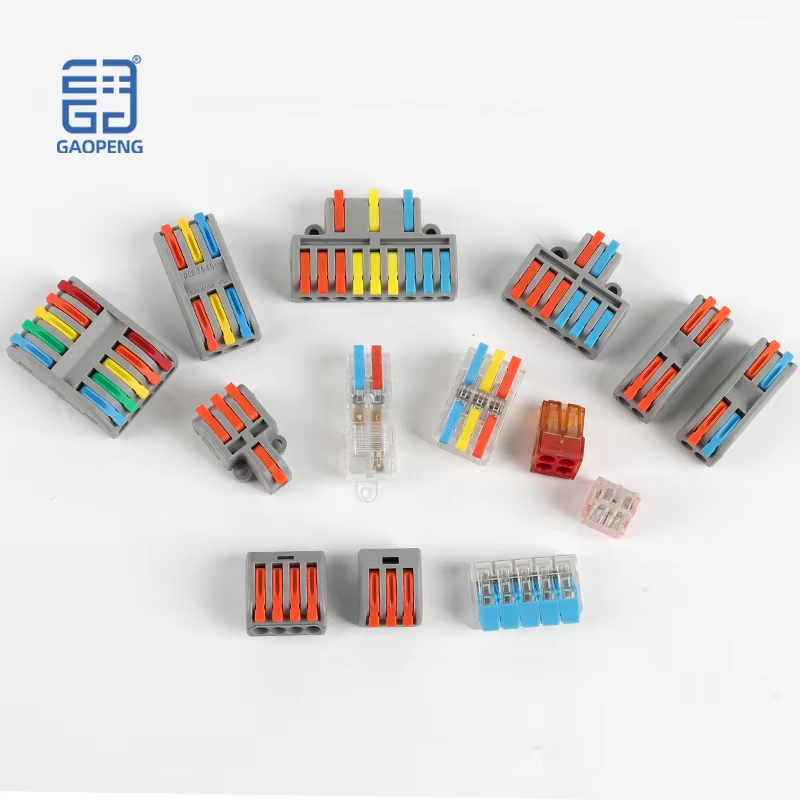
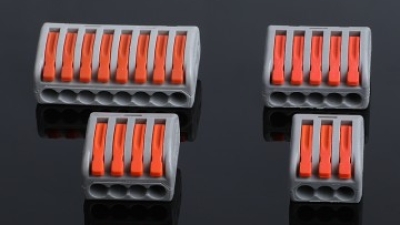
Lever wire connectors have revolutionized the way we approach electrical wiring, offering a straightforward and efficient solution for connecting wires in a variety of applications. Using devices like the Gaopeng GP-21 Series connectors, which boast a robust copper construction, ensures not only exceptional conductivity but also long-lasting durability. With a rated current of 250V and a voltage rating of 32A, these connectors are ideal for residential, commercial, and industrial settings, making them a versatile choice for professionals and DIY enthusiasts alike.
One of the standout features of the GP-21 Series is its insulation made from high-quality materials, which enhances safety and reduces the risk of electrical shorts. This level of insulation is crucial in maintaining reliable performance even in demanding environments. Lever wire connectors enable quick and easy connections, saving valuable time during installation and repairs. Whether you are working on complex electrical projects or straightforward wiring tasks, leveraging the efficiency of these connectors means ensuring a secure and effective connection every time. As you explore the myriad applications of lever wire connectors, you will find that their efficiency and reliability will significantly enhance your wiring endeavors.
FAQS
: Choosing the right cable connectors is crucial for ensuring reliability and efficiency in electrical connections, as mismatched or poor-quality connectors can lead to malfunctions, data loss, or hazards like overheating.
You should evaluate the current, voltage, and type of signal required for your application, as different applications necessitate different types of connectors.
Environmental factors such as moisture, dust, and extreme temperatures can significantly impact connector performance. It's essential to select connectors that are resistant to these conditions to ensure durability and longevity.
A common mistake is ignoring the specifications of the cables, such as wire gauge and type. Choosing mismatched connectors can lead to poor connections and increased resistance, jeopardizing project performance.
It is advisable to test connectors with the actual cables you intend to use, verifying compatibility and ensuring a secure fit.
Prioritizing ease of use allows for quick and secure connections, which is crucial in projects with tight deadlines or where frequent disconnections are expected, thus minimizing potential errors during installation.
Investing in quality connectors from reputable manufacturers enhances reliability, improves the longevity of your project, and prevents costly revisions and functionality issues.
Always check the ratings and recommended applications of the connectors you wish to use to ensure they are suitable for the environmental conditions they will face.
Poor quality connectors can lead to malfunctions, data loss, overheating, and ultimately jeopardize the overall performance and safety of the project.
Conclusion
Picking the right cable connectors really makes a difference in whether your project goes smoothly or not. They’re what keep the electrical connections solid and reliable, and honestly, they can make or break overall performance. In this blog, I’m gonna walk you through why choosing the proper connectors matters so much, explore the different types out there and what they’re best used for, and talk about some key factors you should keep in mind when making your choices. Oh, and I’ll also share tips on how to match connectors with cable types and specs — plus, watch out for some common mistakes people tend to make.
We’ll also cover the best ways to install and maintain your connectors so they last longer and keep functioning properly. By the way, Yueqing Gaopeng Electric Co., Ltd. is a top manufacturer that specializes in high-quality terminals and connectors. They produce a huge variety every year, serving all kinds of markets. Stick with the advice in this blog, and you’ll be on the right track to making smarter cable connector decisions for your projects.