Leave Your Message
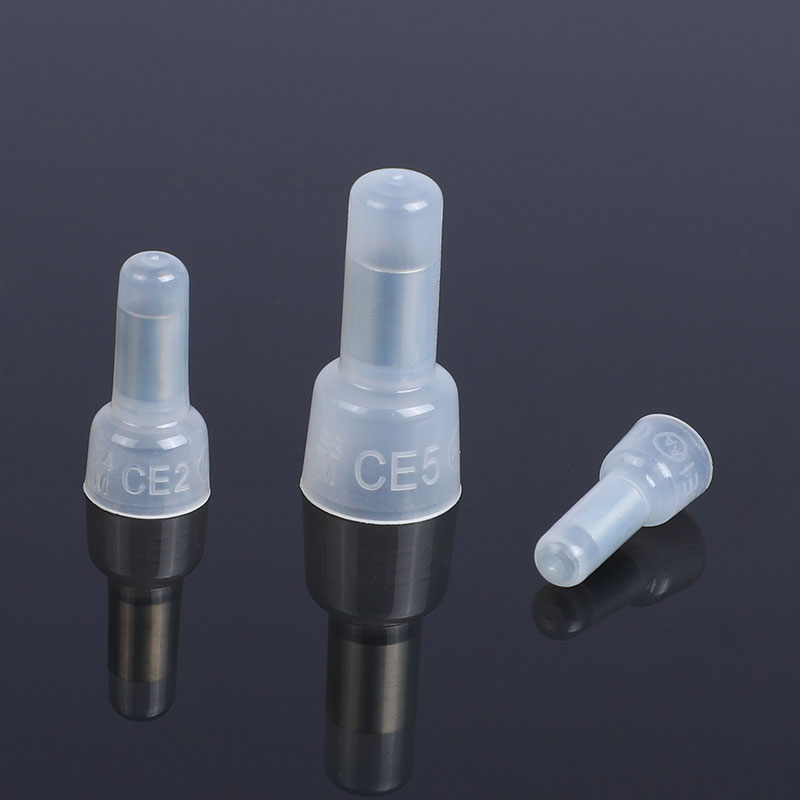
In today’s fast-moving world of manufacturing and tech, choosing the right parts can make or break your project. One crucial piece? Closed End Connectors. These little guys are essential for making sure electrical connections stay secure, especially when you need things to be reliable and efficient. And, honestly, market trends back this up — it’s expected that the global connector market will hit around around 80 billion USD by 2026. A big chunk of that growth is coming from industries like automotive, telecom, and industrial sectors where demand for closed end connectors keeps climbing.
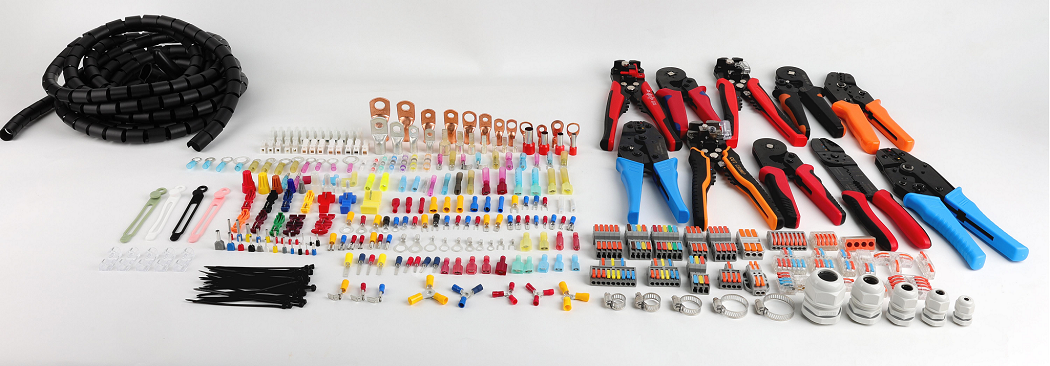
So, here’s a bit about Yueqing Gaopeng Electric Co., Ltd. — they’ve been around since 2016, based in Wenzhou, Zhejiang. These folks are really leading the charge when it comes to designing, developing, and producing all sorts of terminals and connectors. They’ve got a hefty annual output—think billions of units—and they’re exporting to pretty much every corner of the world: Asia, Europe, the Americas, Africa. All in all, Gaopeng’s really committed to delivering top-notch solutions that fit a variety of project needs worldwide.
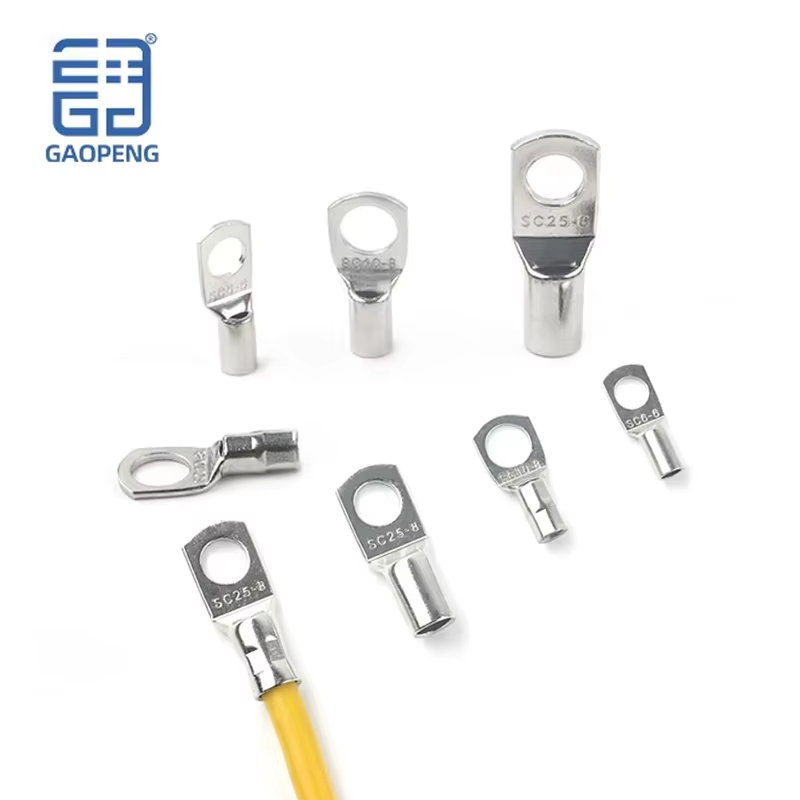
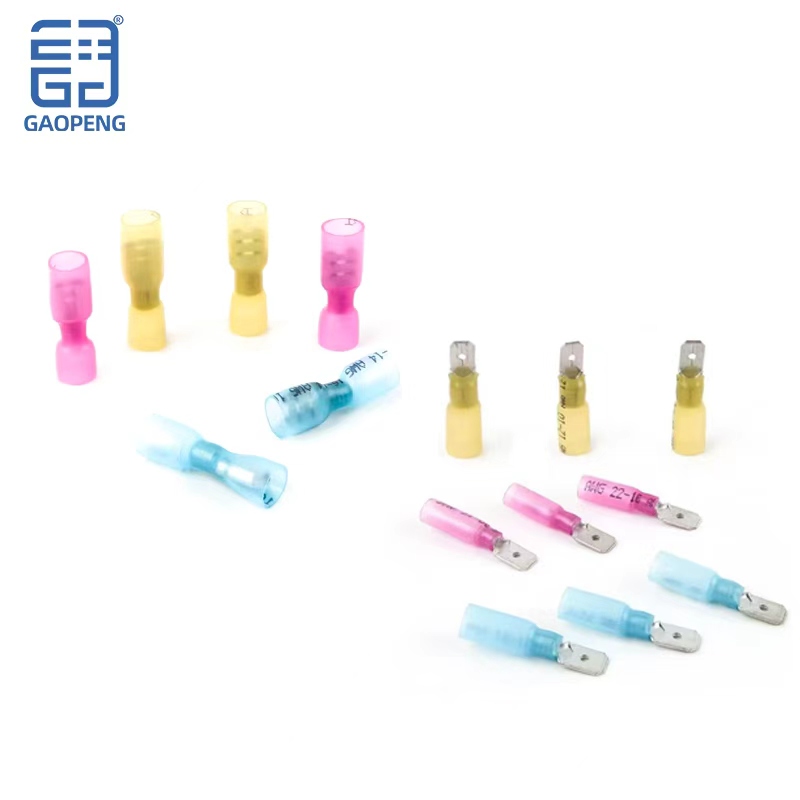
When you're choosing closed end connectors for your project, it's pretty important to understand the different types out there and what each one is best for. These connectors are designed to give you a secure, insulated connection between wires—think of them as the reliable middlemen for your electrical needs. You'll find them in all sorts of industries like automotive, aerospace, and consumer electronics, where durability really matters. Plus, materials matter a lot—copper, aluminum, and others—they each affect how well the connection conducts power and resists rust or corrosion. Picking the right one means considering the environment your project will face, so it stays in good shape over time.
And here’s something pretty cool—these connectors are even finding their way into the tech world of smart textiles. As more and more textile products get embedded with electronics, there's a real need for connectors that can work seamlessly with fabric. The new flexible connectors are designed to keep connections solid, but also to let the fabric stay comfy and functional. We at Yueqing Gaopeng Electric Co., Ltd. are all about staying ahead of the curve. We design and make a wide variety of terminals and connectors that meet these ever-changing demands. Our stuff is built to perform well across the globe—serving customers not just in Asia but also in Europe, America, and Africa.
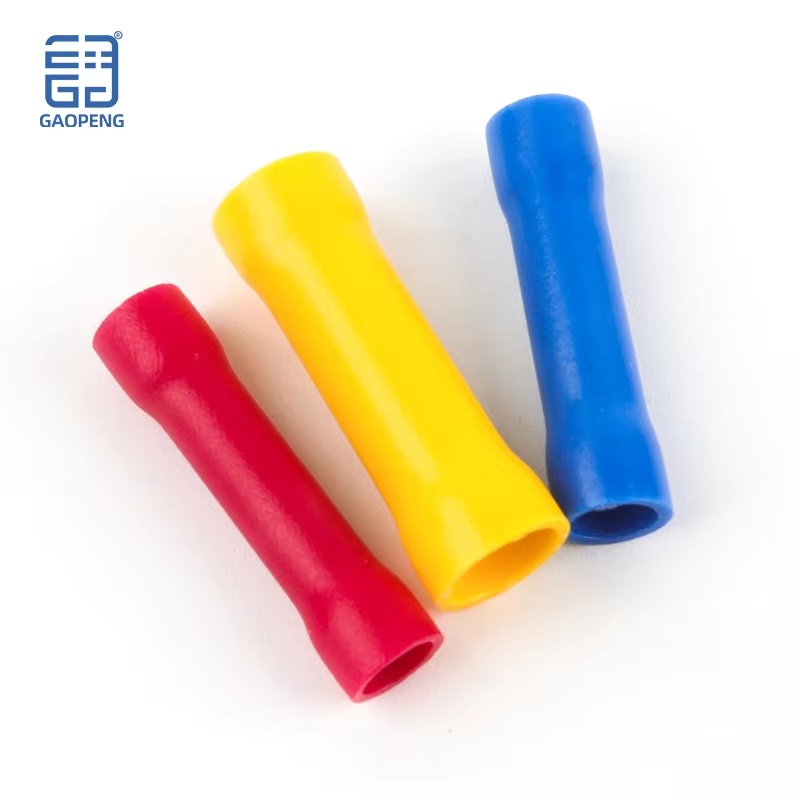
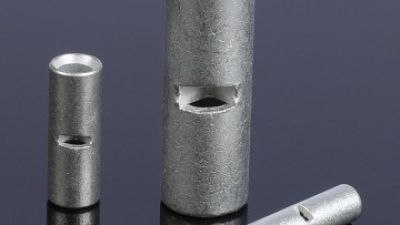
When it comes to electrical connections, particularly for DIY enthusiasts and electricians, the choice of connectors can significantly impact performance and reliability. Non-insulated butt connectors stand out due to their versatility and robust design. Utilizing these connectors ensures that creating secure and efficient wire connections is both straightforward and effective. With a wire range of 0.2 to 325 mm², they cater to a wide array of applications, from home projects to heavy-duty industrial uses.
The ProCrimp™ connectors are engineered for precision, featuring a dual-barbed retention crimp technology that boasts a tensile strength of 45 pounds or more. This innovative design minimizes the risk of disconnections under various environmental conditions, making them ideal for mission-critical applications like automotive wire harnesses and PLC control cabinets. Their matte tin plating not only provides excellent conductivity but also ensures a zero oxidation guarantee, blocking corrosion effectively. This level of reliability is crucial, especially in high-stakes environments such as EV battery packs and military applications, where engineers require uncompromised performance.
Moreover, with compliance to international standards such as CE, RoHS, and TUV, these connectors assure users of their safety and reliability. The military-grade retention capability, proven through rigorous 500-hour vibration tests, makes ProCrimp™ the go-to choice for professionals who value longevity and performance in their electrical connections. Stop compromising on conductivity—choose connectors that elevate your projects and ensure peace of mind.
: One common mistake is neglecting to consider the connector's compatibility with the wire gauge, which can lead to poor conductivity and overheating.
Environmental conditions can significantly affect connector performance, as connectors come with varying degrees of protection against moisture, dust, and other elements. Choosing connectors without adequate sealing can lead to corrosion and short circuits.
It is important to inspect connectors for any signs of damage or corrosion before installation, as compromised connectors may not work properly.
Following manufacturer specifications ensures that the connectors are designed to accommodate the specific wire size being used, promoting safety and efficiency.
Improper installation can lead to failures and may increase project costs by up to 30% due to repairs and downtime.
Applying the correct torque during installation is crucial to prevent loosening over time and to maintain the integrity of the connection.
Temperature and moisture are environmental factors that can affect connector performance, so it's important to select connectors that are rated for the specific conditions of your application.
The lifespan of connectors can be extended by following the manufacturer's recommendations for installation and maintenance.
NEMA stresses the importance of visual inspections prior to installation to ensure that connectors are not damaged or corroded.
Selecting the right connectors for specific applications ensures optimal performance and reliability, which ultimately enhances the efficiency of electrical systems.
When you're trying to pick the right closed end connectors for your project, it’s super important to really understand the different types out there and what they’re best suited for. These connectors are pretty popular in many industries because you can trust them to keep electrical connections secure. So, a few things to keep in mind: think about the specific needs of your project — like the voltage it requires, the type of wire you’re working with, and any environmental stuff like moisture or heat.
Also, it’s a good idea to compare different materials because that can really impact how long they last and how well they perform. A common mistake to avoid? Underestimating how much space you need or missing some important specs — those little oversights can end up costing you time and money. And of course, following best practices when you’re installing these connectors will go a long way in making sure everything stays working smoothly over time.
If you keep these tips in mind, you’ll be able to make smarter choices and get your electrical connections just right for your project’s needs. It’s all about being thorough, paying attention, and not rushing — that way, you’re set up for success from the get-go.