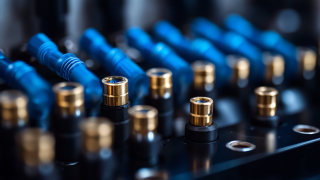
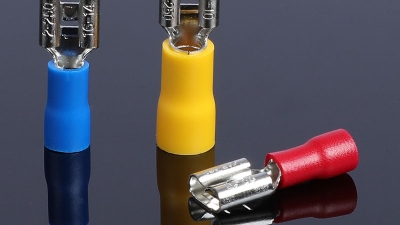
You know, in today's electrical world, picking the right components is super important to make sure everything runs smoothly and safely. Take the Insulated Terminal Lug, for example – it really is key in electrical systems. It gives you a solid connection while also keeping everything safe from short circuits and the outside elements. It’s interesting to note that, as per industry reports, the demand for these Insulated Lugs is set to surge. Why? Well, it's all about the latest tech and their use in all sorts of areas like automotive, telecommunications, and even renewable energy. Now, let me tell you aboutYueqing Gaopeng Electric Co., Ltd. They’ve been around since 2016 and are really making waves in this field. They focus on designing, developing, and producing top-notch terminals and connectors. With a jaw-dropping production capacity that runs into billions of units each year, plus exports to places like Asia, Europe, America, and Africa, Gaopeng is all in when it comes to catering to their clients' evolving needs and ensuring their electrical connections are rock solid.
Identifying Key Features of High-Quality Insulated Terminal Lugs from China
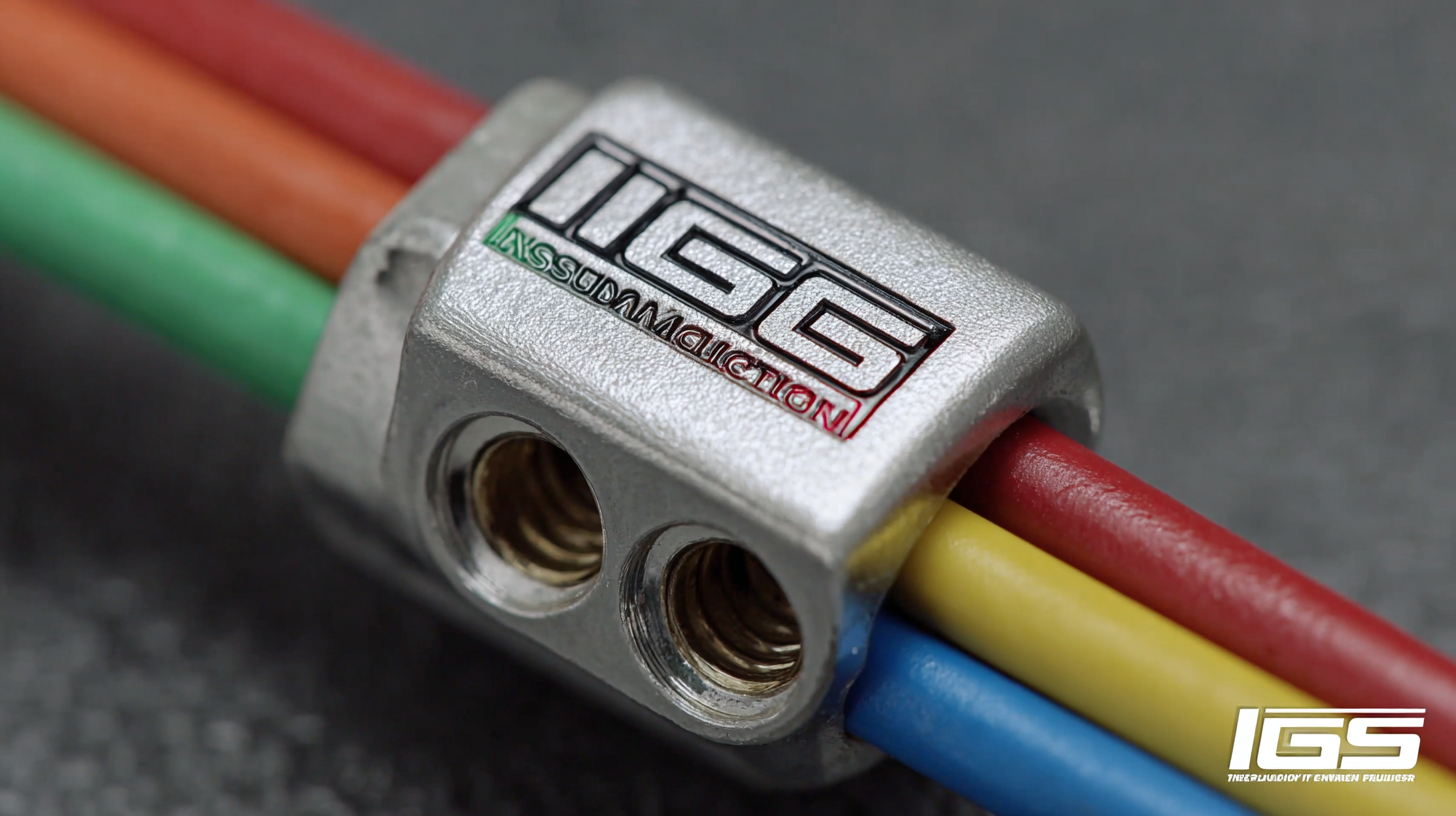
So, when you're on the hunt for top-notch insulated terminal lugs from China, there are a few key things you really need to keep an eye on to make sure you’re getting the performance and reliability you expect. I mean, these lugs are super important in making electrical connections, and honestly, the quality of these little components has a direct impact on how well your whole system runs. Fun fact: a report from ResearchAndMarkets says that the global market for terminal lugs is expected to grow by about 4.5% every year from 2021 to 2026! This just shows how much people are looking for reliable electrical connection solutions these days.
First off, let’s talk about the insulation material. You generally want to go for high-quality insulated terminal lugs that are made from materials like PVC or nylon. These materials do a great job of resisting heat and chemicals—definitely a plus! Plus, if you see a UL or CE certification on those lugs, it’s a good sign that they meet international safety standards, which is super important if you need them to handle tough conditions. By the way, we found out from a study by Mordor Intelligence that over 25% of electrical failures in industrial settings can be traced back to poor-quality terminal lugs. So yeah, picking the right ones is really crucial for keeping things safe and running smoothly.
And don’t forget about the design! The design of these insulated terminal lugs is just as important. You want them to have optimal crimping and connection spots to avoid any loosening and to ensure that electrical integrity stays in check. According to some technical analysis I came across, having a good design can actually cut down electrical resistance by up to 15%. That’s huge when it comes to saving energy in your circuits! By keeping all this in mind, you can make smart choices when sourcing insulated terminal lugs from China, which will definitely boost the reliability of your electrical systems.
Evaluating Material Specifications for Durability and Performance in Terminal Lugs
When you're picking out insulated terminal lugs, it’s super important to really get the material specs right. You’ll often find lugs made from copper or aluminum, but let’s be honest, copper usually steals the show. Why? Because it has amazing conductivity and doesn’t rust easily. A recent report from the Copper Development Association even pointed out that Copper Lugs hang onto about 98% conductivity. That’s pretty impressive and really kicks up the efficiency of your electrical connections.
But there’s more to the story! The insulation material you choose also makes a big difference in how well the terminal lugs perform. Take polyvinyl chloride (PVC) for instance; it’s super popular because it handles heat really well and provides solid insulation. A study from the National Electrical Manufacturers Association noted that PVC insulated lugs can work like champs even when it’s -20°C to 105°C outside. So, they’re a great pick for all sorts of environments. But if you're dealing with extreme situations, you might want to look into low-temperature thermoplastic elastomers (TPE), which offer even better flexibility and can brave the cold down to -50°C. It really highlights how critical it is to pick the right material based on where you'll be using them.
So, by taking a good look at these material specs, you can make sure that the insulated terminal lugs you choose will not only meet your performance needs but also last a long time in your specific applications. In the end, that means safer and more reliable electrical systems overall!
Durability and Performance Comparison of Insulated Terminal Lugs
Understanding Voltage Ratings and Current Carrying Capacity in Insulated Terminal Lugs
Choosing the right insulated terminal lug is super important, right? You really wanna pay attention to things like voltage ratings and how much current these lugs can handle. So, the voltage rating is basically the max voltage that a terminal lug can take without the insulation going haywire. This is a big deal, especially in high-voltage situations where having a low voltage rating could lead to arcing or, worse, equipment failure. That’s why it’s crucial to match the voltage rating of your lug with what your electrical system actually needs to prevent any dangerous situations.
Now, when it comes to current carrying capacity, this tells you how much electrical current a terminal lug can handle without getting too hot. A bunch of things can affect this: like the size of the conductor, the temperature around it, and what kind of insulation you're using. If you pick a terminal lug that can’t handle the current, you might end up with overheating issues, which can damage the lug itself and whatever it's connected to. So, yeah, always think about the load you expect and pick lugs that fit not just the physical size but also check off all the electrical requirements. This way, you can be sure your installations will last and work reliably over time.
Common Manufacturing Standards and Certifications for Insulated Terminal Lugs
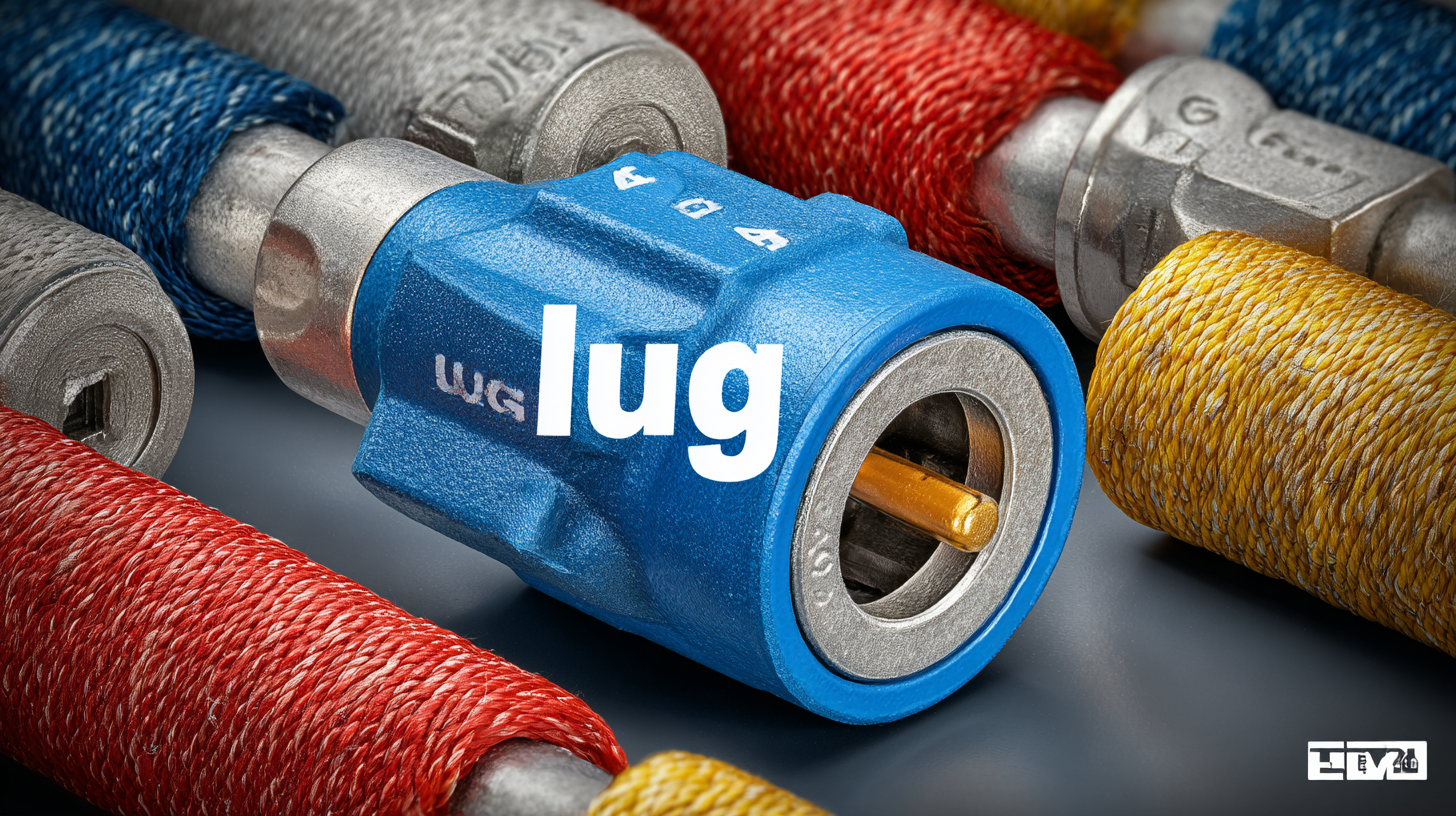
So, when you're on the hunt for the right insulated terminal lugs, it’s super important to get a handle on the common manufacturing standards and certifications. These things really matter when it comes to keeping your electrical applications reliable and safe. Insulated terminal lugs need to pass certain industry standards – like that IEC 61238-1 from the International Electrotechnical Commission. This standard covers the nitty-gritty of crimping and installation, making sure those lugs can take on both mechanical and thermal stress. Trust me, this is key to avoiding nasty failures in your electrical systems.
And let’s not forget about certifications from big names like Underwriters Laboratories (UL) and the Canadian Standards Association (CSA). They’re pretty much the gold standards in the market. UL, for example, puts these insulated terminal lugs through some serious testing to make sure they’re all good for safety and performance, keeping them in line with strict electrical and mechanical standards. Oh, and did you know? According to a 2022 market report from Fortune Business Insights, the market for insulated terminal lugs is expected to grow at a decent rate of 5.2%! That just shows how much folks are looking for certified products that really meet those industry specs. By sticking to these standards, manufacturers are able to churn out terminal lugs that not only boost the lifespan of systems but also amp up the overall safety in operations.
Understanding Common Problems with Choosing the Right Best Insulated Terminal Lug - Common Manufacturing Standards and Certifications for Insulated Terminal Lugs
| Attribute | Description | Manufacturing Standards | Certifications |
| Material | Copper or aluminum for conductivity | ASTM B187 for Copper | UL Listed |
| Insulation Type | PVC, Nylon, or Heat Shrink | UL 468 for Insulation | CE Marking |
| Size and Compatibility | Variety of sizes for different wire gauges | ISO 9001 for Quality Management | RoHS Compliant |
| Temperature Rating | Range of temperatures according to insulation type | MIL-STD-202 for Environmental Testing | ISO 14001 for Environmental Management |
| Finish | Tin-plated or Nickel-plated to prevent corrosion | ASTM B545 for Coatings | ISO 9001 Certifiable |
Analyzing Cost vs. Quality: What You Get When Choosing Chinese Manufacturers
When selecting insulated terminal lugs, the cost versus quality debate is particularly prominent, especially when considering manufacturers from China. Many buyers are drawn to the lower prices, which can be tempting for businesses looking to cut costs. However, it’s essential to understand that opting for the cheapest option can often lead to poor performance and greater long-term expenses. Inferior materials may lead to corrosion, higher resistance, and ultimately, failures that could compromise electrical connections.
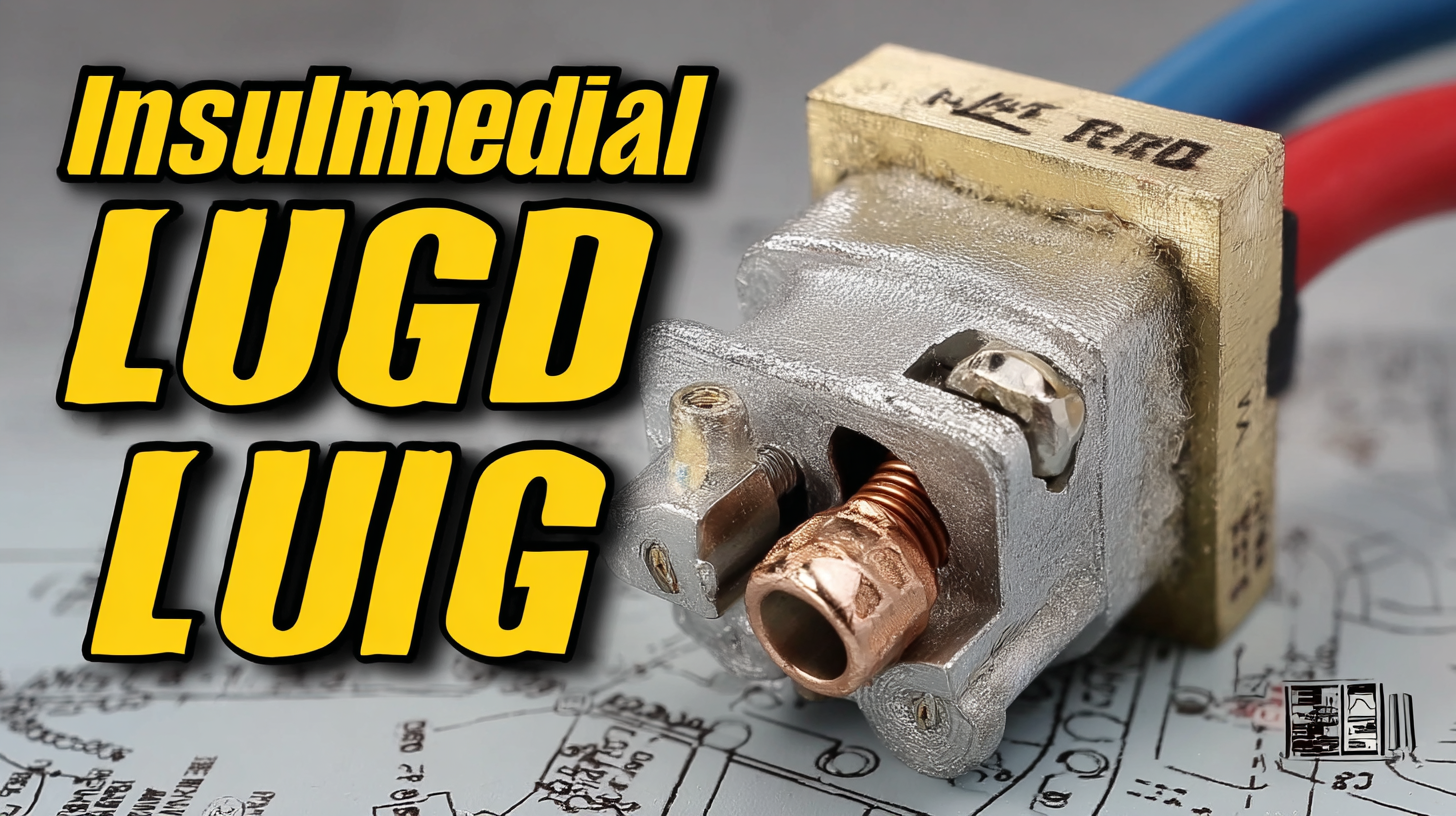
On the other hand, investing in higher quality insulated terminal lugs, even if sourced from Chinese manufacturers, can lead to better durability and reliability. By conducting thorough research and selecting reputable manufacturers that prioritize quality control, users can find products that strike a balance between cost and performance. Those willing to invest a bit more upfront often benefit from increased efficiency, decreased maintenance costs, and enhanced safety in their electrical systems, proving that careful consideration can significantly impact overall success in electrical applications.
Exploring the Impact of Insulated Terminal Lug Design on Electrical Efficiency and Safety
So, let's talk about insulated terminal lugs. You know, the design really matters when it comes to making sure our electrical connections are not just efficient, but also safe. I mean, good insulation and a well-thought-out lug design can help cut down on those pesky electrical shorts and overheating – and nobody wants that, right? It really boosts the reliability of the whole electrical system. Plus, using high-quality materials with some precise engineering? That’s the secret sauce for better conductivity and lower resistance, which means power flows smoothly where it needs to go.
Now, with electric vehicles becoming more popular, we can't overemphasize how crucial effective connectors are. The need for high-performance insulated terminal lugs is definitely on the rise – especially since modern vehicles are getting more complex in terms of their electrical systems. Making a smart investment in the right design can really pay off in the long run, which is something both manufacturers and weekend warriors should keep in mind when picking insulated terminal lugs. With all the cool advancements in battery tech and the market booming, it’s super important to make sure those electrical components meet safety standards and efficiency needs. That’s going to be key if we want to succeed in the electric vehicle game.
Maximizing Efficiency: The Essential Role of PVC Pre-Insulated Female Connectors in Modern Electrical Systems
In modern electrical systems, efficiency and reliability are paramount. One critical component that contributes significantly to both aspects is the PVC Pre-Insulated FeMale Connector. Specifically, the Gaopeng FDD model epitomizes the ideal blend of quality materials and functional design. Made from durable brass, these connectors ensure a solid and stable electrical connection, which is essential for maintaining the overall performance of electrical systems.
The PVC insulation adds another layer of protection, safeguarding against environmental factors that could otherwise compromise connectivity. This feature is particularly beneficial in varied climates or high-demand applications. Furthermore, the quick disconnect terminals streamline installation and maintenance processes, enabling technicians to make fast and efficient connections without compromising safety. By incorporating Gaopeng's PVC Pre-Insulated Female Connectors into electrical systems, users can maximize efficiency and reliability in their operations.
FAQS
: The most common materials used for insulated terminal lugs are copper and aluminum, with copper often being preferred due to its superior conductivity and corrosion resistance.
Copper is preferred for terminal lugs because it maintains a high conductivity level of approximately 98%, which significantly enhances the efficiency of electrical connections.
Insulation materials, such as polyvinyl chloride (PVC), are crucial for ensuring temperature resistance and insulation properties, affecting the overall performance and suitability of terminal lugs for various environments.
The voltage rating indicates the maximum voltage level a terminal lug can handle without risking insulation breakdown, which is essential for preventing arcing or equipment failure in high-voltage applications.
Current carrying capacity determines how much electrical current a terminal lug can transport without overheating; insufficient capacity can lead to overheating and potential damage to both the lug and connected equipment.
Insulated terminal lugs are subject to various industry standards, including IEC 61238-1, which outlines requirements for crimping components and ensures they can withstand mechanical and thermal stress.
Certifications from organizations like Underwriters Laboratories (UL) and the Canadian Standards Association (CSA) ensure that terminal lugs meet stringent safety and performance standards, thereby enhancing reliability and safety in electrical installations.
PVC insulated lugs can operate efficiently within a temperature range of -20°C to 105°C, making them suitable for a variety of conditions.
Low-temperature thermoplastic elastomers (TPE) provide better flexibility and can withstand temperature fluctuations down to -50°C, making them ideal for extreme conditions.
The insulated terminal lugs market is projected to grow at a compound annual growth rate (CAGR) of 5.2%, indicating increasing demand for certified products that comply with industry specifications.