When you're diving into electrical projects, picking the right components is super important—not just for safety, but also to make sure everything works smoothly. One thing folks often overlook but is actually pretty crucial is the Spade Connector. It's a type of terminal that makes hooking up wires to parts way easier and quicker, which is probably why a lot of DIYers and pros reach for them. There are tons of options out there, so getting a handle on what factors matter can really help you move faster and get better results.
Choosing the right spade connector isn’t just about grabbing any one off the shelf. You’ve gotta think about things like size, what material it’s made of, and what your specific setup needs. For example, using the right gauge ensures good conduction and helps prevent overheating. Picking something durable can also save you headaches down the line—it’s all about making those connections last. Plus, knowing how to install and use Spade Connectors properly can make a huge difference in both safety and how well your wiring holds up. This guide is here to give you the lowdown, so you feel confident while selecting your parts and building your project, making sure everything’s safe, reliable, and ready to roll.
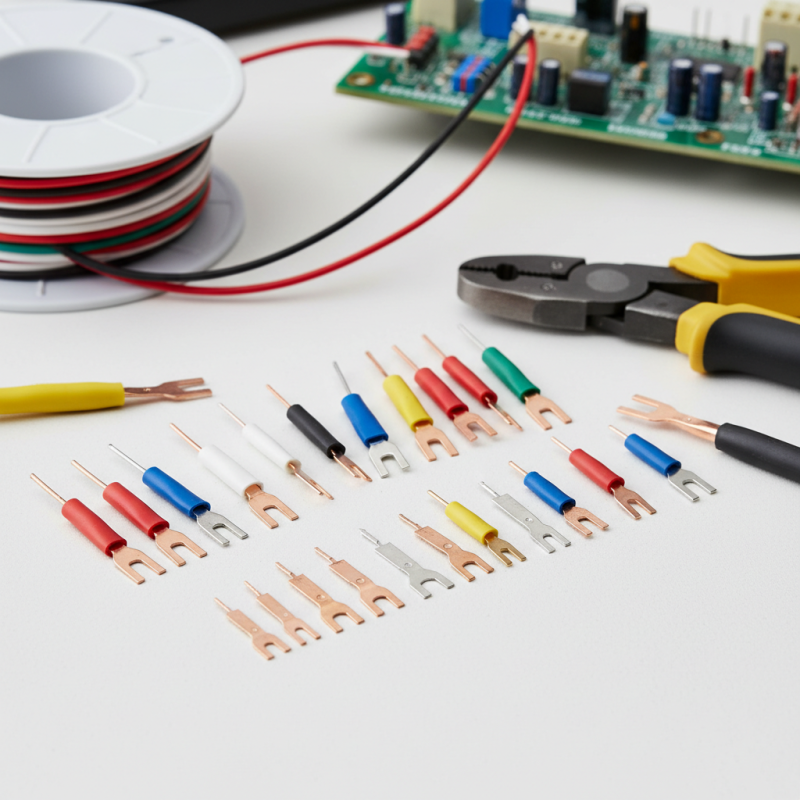
Factors to Consider When Selecting Spade Connectors
When selecting spade connectors for electrical projects, there are several critical factors to consider to ensure optimal performance and reliability. First and foremost, the wire gauge plays a significant role. According to the National Electrical Code (NEC), different wire gauges support various current capacities, making it essential to match the connector's sizing with the wire being used. For example, a 16 AWG wire can typically handle around 22 amps, thus requiring a connector that can accommodate that level without overheating or failing.
Another crucial consideration is the material of the connector. Most spade connectors are made from either copper or aluminum, with copper being the preferred choice for its excellent conductivity and resistance to corrosion. A 2018 industry reportfrom the Electrical Contractors Association indicates thaT connectors made from high-quality copper can reduce resistance by up to50% compared to lower-grade materials. This resistance reduction is vital, especially in applications requiring long-term reliability and efficiency.
Tip: Always ensure that the spade connector you choose is rated for the specific environment it will be used in, such as harsh weather conditions or high-temperature applications.
Also, the design of the connection is important. Look for options with insulation or sealed connectors that can provide additional protection against moisture and dust, enhancing the longevity of your electrical connections. A well-placed connector can improve the stability of the electrical circuit while minimizing the risk of short circuits or failures.
Tip: Use heat-shrink tubing or similar protective measures after installing your spade connectors to further safeguard against environmental factors.
Types of Spade Connectors and Their Applications
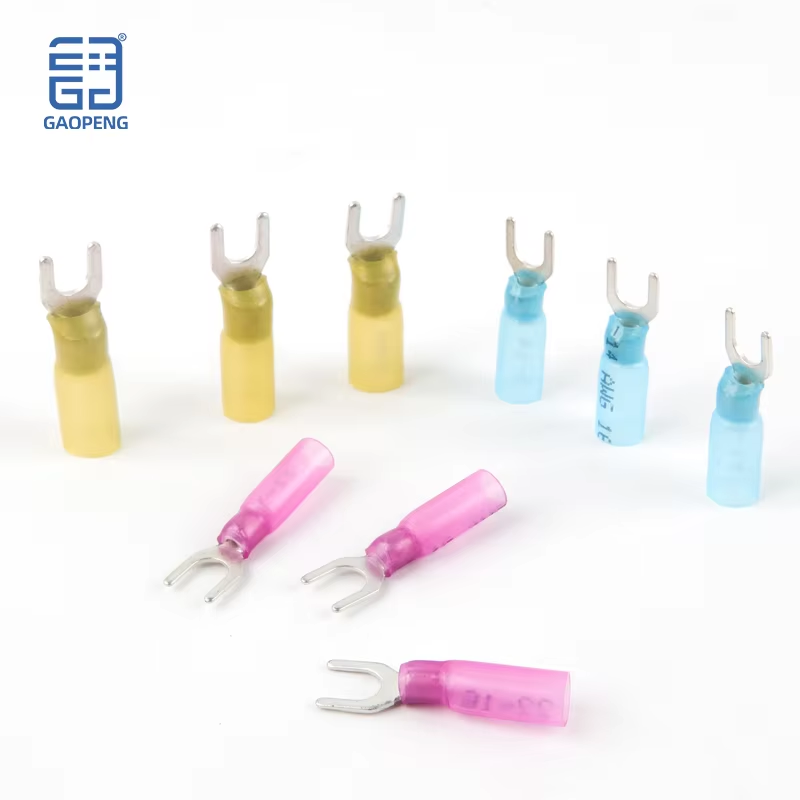
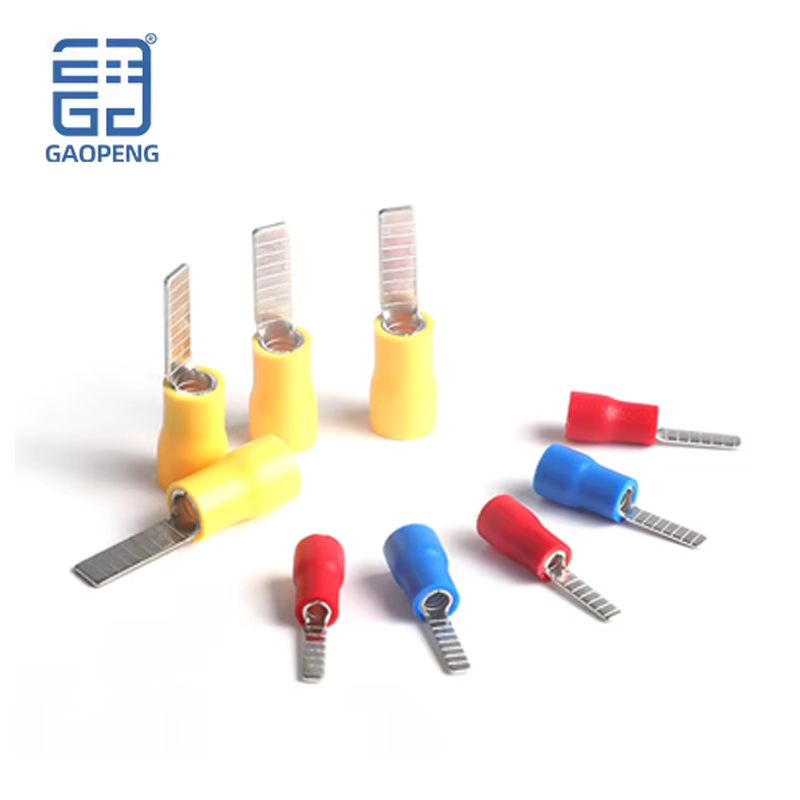
When selecting spade connectors for electrical projects, it's essential to understand the different types available and their specific applications. Spade connectors come in various sizes and configurations, including insulated and uninsulated types. Insulated spade connectors are covered with a plastic or rubber sheath that helps prevent accidental short circuits, making them ideal for use in household electrical systems and environments where safety is a priority. Uninsulated connectors, on the other hand, provide a direct metal-to-metal connection and are often used in automotive and heavy-duty applications where space is limited.
Additionally, spade connectors can vary in terms of blade width and thickness, influencing the electrical current they can safely carry. Standard-sized spade connectors are suitable for most general applications, while larger connectors are designed for higher current demands, such as in power distribution systems. It's also important to consider the environment in which the connectors will be used; for instance, connectors in moist or corrosive environments may require a specific coating or material to ensure durability and performance. Understanding these distinctions ensures that the right spade connector is chosen for the reliability and safety of electrical projects.
How to Choose the Right Spade Connector for Your Electrical Projects - Types of Spade Connectors and Their Applications
| Connector Type | Wire Size (AWG) | Current Rating (A) | Common Applications |
| Standard Spade Connector | 22-18 AWG | 10 A | Home wiring, automotive applications |
| Heavy-Duty Spade Connector | 16-14 AWG | 20 A | Industrial equipment, high-power devices |
| Insulated Spade Connector | 18-16 AWG | 15 A | Consumer electronics, DIY projects |
| Closed Barrel Spade Connector | 14-12 AWG | 30 A | Marine applications, outdoor equipment |
| Open Barrel Spade Connector | 14-10 AWG | 40 A | High-current applications, motors |
Size Measurements: How to Choose the Right Gauge
When selecting the appropriate spade connector for your electrical projects, understanding size measurements is critical. The gauge of the wire you plan to connect will determine the size of the spade connector needed. Generally, wire gauges range from 8 to 22 AWG (American Wire Gauge), and selecting a connector that perfectly matches your wire’s gauge is essential for ensuring a secure and efficient electrical connection. According to the National Electrical Manufacturers Association (NEMA), using the correct gauge helps prevent overheating and potential electrical hazards.
Tip: Always consult a wire gauge chart when determining which size spade connector to use. For instance, a 14 AWG wire typically pairs well with a 1/4 inch wide spade connector. Additionally, ensure that the insulation of the connector is rated for the voltage and current levels of your specific project.
It's also important to consider the environment in which the connection will be used. For outdoor applications, opt for connectors that are weather-resistant and designed to withstand moisture and temperature fluctuations. The International Electrotechnical Commission (IEC) recommends using connectors with a proper IP (Ingress Protection) rating for such scenarios.
Tip: Confirm that the spade connector you choose is compatible with your terminal. A snug fit can improve electrical conductivity and reduce long-term wear caused by vibrations or thermal expansion.
Material Options: Brass, Copper, and Coated Connectors
When selecting spade connectors for your electrical projects, the choice of material plays a crucial role in ensuring reliability and performance. The three commonly used materials for spade connectors are brass, copper, and various coated options. Brass connectors are known for their strength and corrosion resistance, making them suitable for a range of applications. They provide a good balance between cost and performance, making them a popular choice among hobbyists and professionals alike.
Copper connectors, on the other hand, offer superior conductivity, which can enhance the efficiency of your electrical connections. They are particularly beneficial in applications where minimal resistance is essential. However, copper is more prone to oxidation, which can affect performance over time if not properly cared for. Therefore, it's vital to consider the environment in which the connectors will be used.
Coated connectors come with a protective layer that prevents oxidation and corrosion, ensuring longevity even in harsh conditions. These could be a good option for projects exposed to moisture or varying temperatures. When choosing between these materials, consider the specific requirements of your project, including electrical demands and environmental factors.
**Tips:** Always match the gauge of the spade connector to your wire size for optimal performance. Additionally, ensure that the connection is tight and secure to avoid loose connections which can lead to overheating or signal loss. Finally, consider using connectors with color-coded insulation for easy identification and organization in your electrical projects.
Understanding Insulation Styles for Electrical Safety
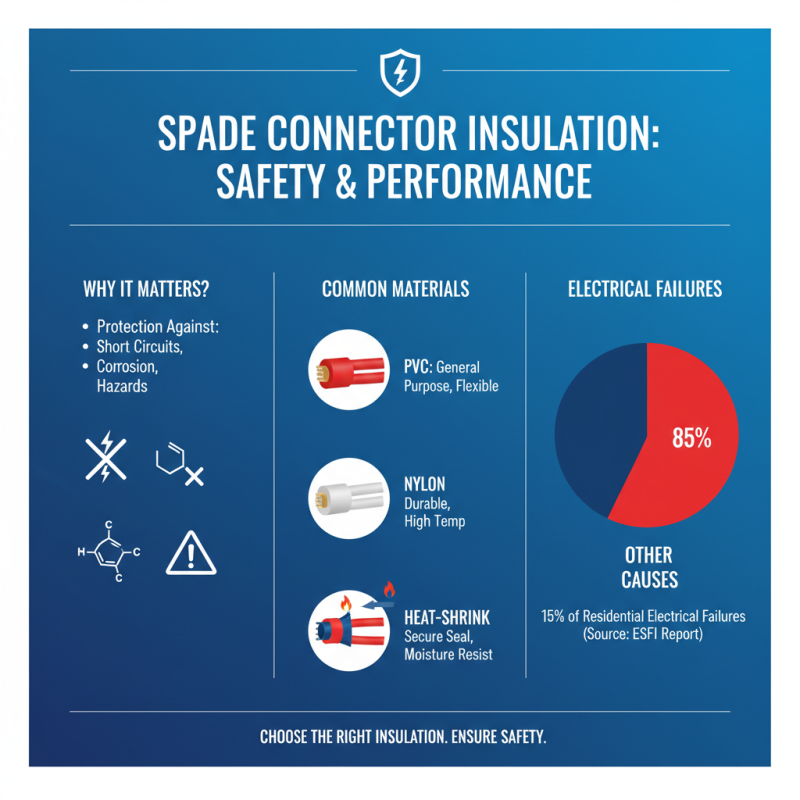
When selecting spade connectors for electrical projects, understanding insulation styles is crucial for ensuring safety and performance. Insulation serves as a barrier that protects against short circuits, corrosion, and other potential hazards. Various insulation materials, such as PVC, nylon, and heat-shrink tubing, offer different levels of durability and temperature resistance. According to a report by the Electrical Safety Foundation International, improperly insulated connections contribute to 15% of electrical failures in residential settings, highlighting the importance of choosing the right insulation.
In addition to material choice, the style of insulation can also impact the electrical conductivity and longevity of the connection. For example, connectors with thick insulation may provide better mechanical stability, while those with thinner insulation can allow for more compact assemblies. The National Fire Protection Association indicates that electrical failures and malfunctions, often due to inadequate insulation, account for over $1 billion in damages annually within the U.S. alone. Therefore, selecting the correct insulation style—tailored to the specific environmental conditions of your project—can significantly enhance both safety and reliability in electrical applications.
Installation Tips for Proper Use of Spade Connectors
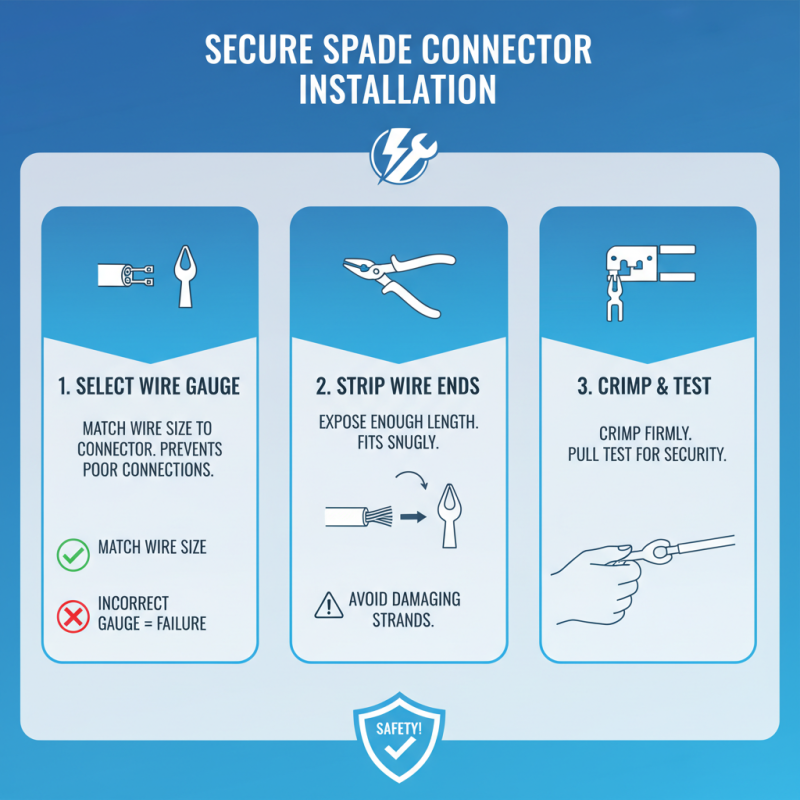
When installing spade connectors in your electrical projects, ensuring a secure and reliable connection is crucial for safety and functionality. Start by selecting the appropriate gauge of wire that matches the size of the spade connector. This step is vital because using an incorrect wire gauge can lead to poor connections or potential electrical failures. Strip the wire ends carefully, leaving enough exposed length to fit snugly into the spade connector, and make sure to avoid damaging the wire strands in the process.
Once the wires are prepared, insert the stripped ends into the spade connector and use a crimping tool to secure the connection. Apply firm, even pressure while crimping to ensure that the connector grips the wire tightly. Additionally, consider using heat shrink tubing over the crimped area to provide extra protection and insulation against moisture and environmental factors. Finally, after connecting the spade connector, double-check the integrity of the connection by gently tugging on it; it should not come loose under moderate force. These installation tips will help you achieve reliable and long-lasting connections in your electrical projects.
Common Mistakes to Avoid When Choosing Spade Connectors
When selecting spade connectors for your electrical projects, many common mistakes can hinder the performance and safety of your connections. One frequent error is choosing a connector that is the incorrect size for the wire gauge. Using a spade connector that is too large can lead to a loose fit, resulting in poor conductivity and potential arcing. Conversely, a connector that is too small might not fit at all or could damage the wire insulation, weakening the overall connection.
Another mistake to watch out for is neglecting to consider the environmental conditions in which the connectors will be used. If the connectors will be exposed to moisture, heat, or corrosion, selecting a suitable material—like tinned copper or a weather-resistant coating—is critical. Additionally, many users overlook the importance of proper crimping techniques. Poorly crimped connectors can lead to increased resistance and overheating, which can ultimately compromise the integrity of your electrical system. By avoiding these common pitfalls, you can ensure more reliable and efficient connections in your projects.
Choosing the Right Spade Connector for Electrical Projects
Emerging Trends and Market Growth in the Heat Shrink Waterproof Connector Industry: Insights from Recent Data Reports
The heat shrink waterproof connector industry is witnessing significant growth, driven by emerging trends in technology and increasing demand for durable and reliable connections across various sectors. Recent data reports indicate that innovative developments in materials and manufacturing processes are enhancing the performance and longevity of these connectors. As industries move towards more robust solutions to ensure connectivity in challenging environments, the need for waterproof connectors has become paramount.
Among the standout features of modern waterproof connectors is the use of high-quality brass material, which offers resilience and corrosion resistance. Connectors designed with heat shrink technology not only provide superior sealing against moisture but also ensure a secure electrical connection. The HMDFNY series exemplifies this trend, boasting models that cater to diverse applications while maintaining a focus on reliability and ease of installation. The combination of waterproof capabilities and high-strength materials positions these connectors as ideal solutions for both industrial and commercial uses, paving the way for enhanced operational efficiency and safety.
As the market for waterproof connectors continues to expand, industry players are exploring new avenues for growth by adopting innovative designs and improving connectivity features. This evolution is crucial as businesses seek to mitigate risks associated with moisture infiltration and ensure optimal performance of their electrical systems in various environments. The insights gleaned from recent data reports highlight the potential for sustained growth within the heat shrink waterproof connector market, driven by technological advancements and changing consumer preferences.
FAQS
: The three commonly used materials for spade connectors are brass, copper, and various coated options.
Brass connectors are known for their strength and corrosion resistance, making them suitable for various applications. They provide a good balance between cost and performance.
Copper connectors offer superior conductivity, enhancing the efficiency of electrical connections, especially in applications where minimal resistance is essential.
Copper is prone to oxidation, which can impact performance over time if not properly cared for, so considerations about the environment of use are important.
Coated connectors come with a protective layer that prevents oxidation and corrosion, ensuring longevity even in harsh conditions, making them suitable for projects exposed to moisture or extreme temperatures.
When choosing between materials, consider the specific requirements of your project, including electrical demands and environmental factors.
Always match the gauge of the spade connector to your wire size, strip the wire ends carefully, and use a crimping tool to secure the connection with firm pressure.
Applying heat shrink tubing over the crimped area can provide extra protection and insulation against moisture and environmental factors.
After connecting the spade connector, gently tug on it; it should not come loose under moderate force, indicating a secure connection.
Connectors with color-coded insulation can help with easy identification and organization in electrical projects.
Conclusion
Choosing the right spade connector for electrical projects is crucial for ensuring reliable connections and safety. Key factors to consider include the specific type of spade connector suited for your application, along with size measurements to determine the appropriate gauge. Different materials, such as brass and copper, offer varying conductivity and durability, while insulation styles play a vital role in electrical safety.
Additionally, proper installation techniques are essential to maximize the effectiveness of spade connectors. Awareness of common mistakes, such as using incorrect sizes or materials, can help avoid potential hazards. By taking these considerations into account, you can select the ideal spade connector that meets your project's requirements and enhances overall performance.