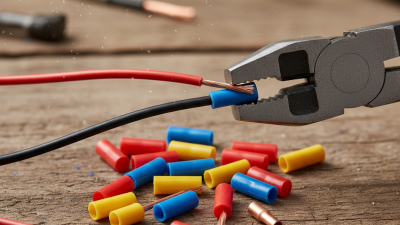
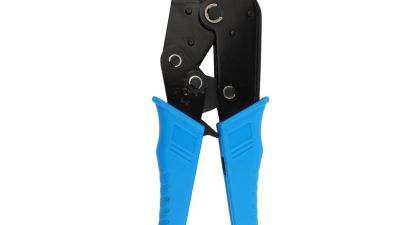
You know, when it comes to electrical systems, Insulated Terminals really play a huge role — it’s hard to overstate their importance. I read somewhere that, according to Research and Markets, the global market for these terminals is expected to hit around USD 2.3 billion by 2025, growing at about 6.2% annually. That’s pretty significant because it just shows how essential they are for better electrical connectivity, safety, and lowering the chances of short circuits. Picking the right ones can boost the reliability of your system and make maintenance a lot smoother.
But here’s the thing — choosing the perfect Insulated Terminal isn’t as simple as it sounds. You really need to understand things like voltage ratings and what materials are used. These details can make a big difference in how well they perform. Not all terminals are created equal; some are built to do specific jobs. Brands like TE Connectivity and Amphenol have come up with some pretty innovative options that meet top industry standards. Still, you’ve got to watch out for lower-quality products out there — not every option is a winner.
All in all, while Insulated Terminals are super important, the market is kinda crowded with so many choices that it can get pretty confusing. If you don’t pick carefully, it might lead to issues down the road, which makes some organizations rethink their decisions. Demand for reliable, effective insulated solutions is definitely growing, but without doing your homework, you might stumble into mistakes. It’s key to stay informed and keep up with industry innovations so you can make wise choices without falling into common pitfalls in the procurement process.
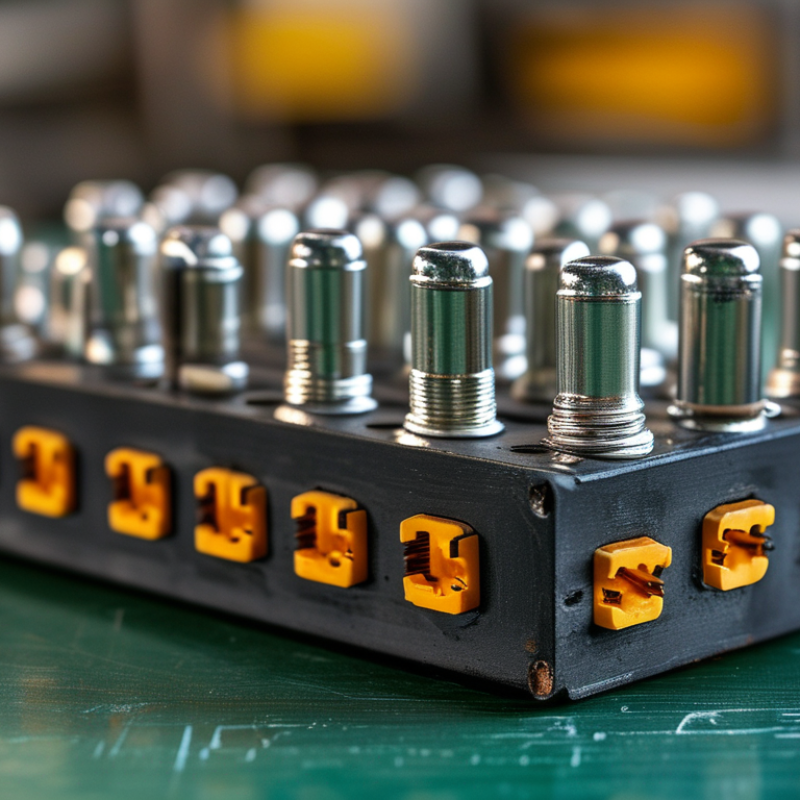
What are Insulated Terminals and Their Key Features?
Insulated terminals are essential components in electrical connections. They provide protection against short circuits and ensure reliable conductivity. Usually made from high-quality plastic, these terminals can handle varying temperatures while maintaining performance. Key features include a robust outer insulation layer that prevents accidental contact and corrosion resistance materials that extend the lifespan of the connection.
Choosing the right insulated terminal involves evaluating your specific application needs. Factors like wire gauge, voltage, and operating environment are critical. For instance, high-temperature environments may require special materials like silicone. According to industry reports, improperly chosen terminals can lead to a 10% increase in failure rates in electrical systems.
Tip: Always conduct a compatibility check with both the wires and the system you are using. Mismatched components can cause significant issues. It's wise to keep a variety of sizes and types on hand. Also, remember that not all insulation materials are equally effective; understanding the properties of each can prevent future problems.
Types of Insulated Terminals: A Comprehensive Overview
Insulated terminals are essential components in electrical connections. They provide protection against short circuits and reduce the risk of electrical shock. Understanding the different types of insulated terminals can significantly impact the safety and performance of electrical systems.
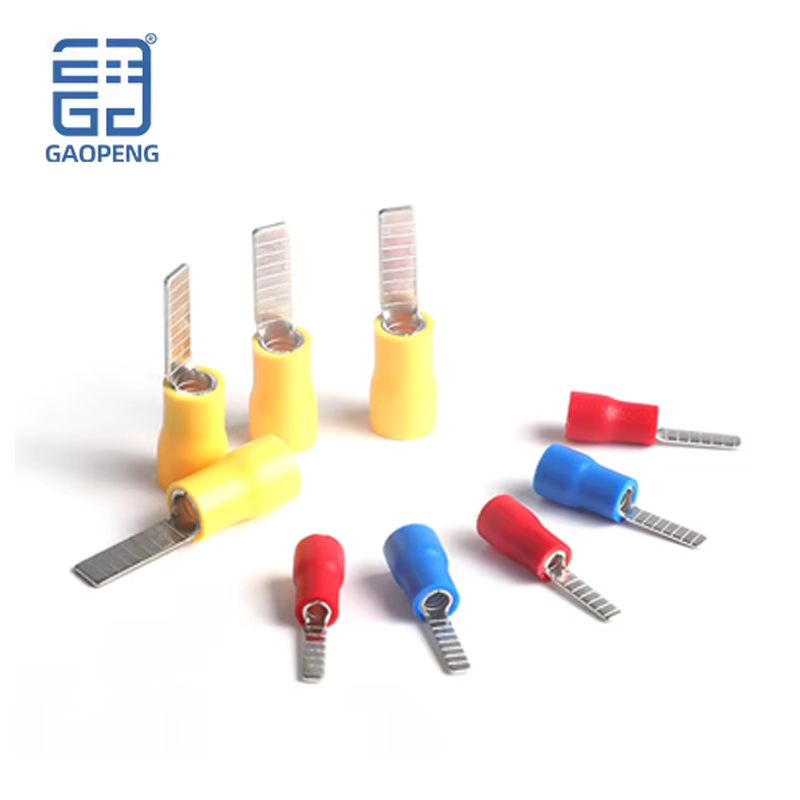
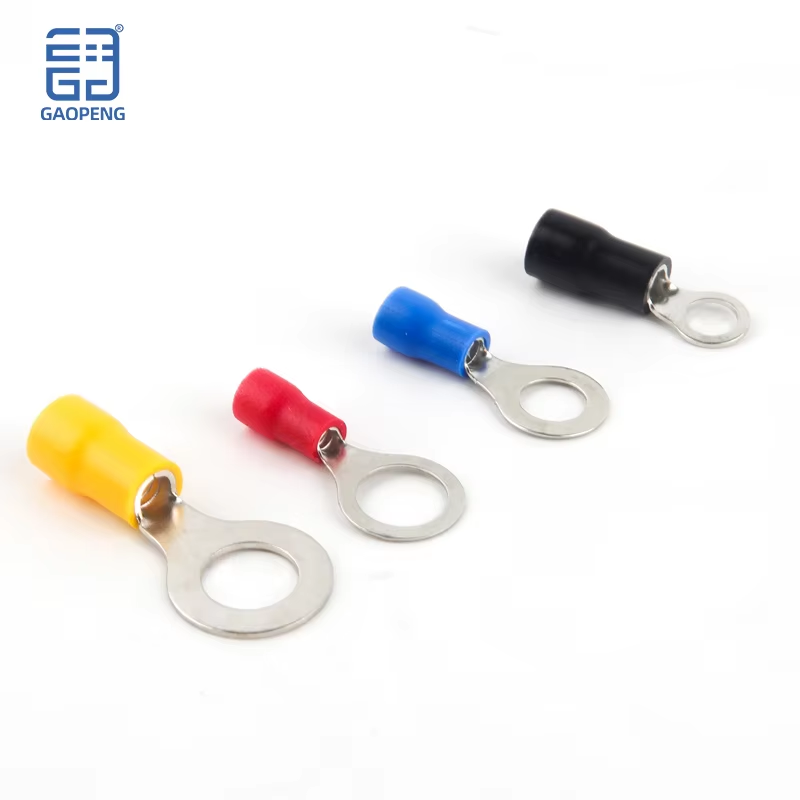
There are several types of insulated terminals, each serving specific needs. Ring Terminals are ideal for grounding connections. They offer a secure connection, suitable for high-stress environments. Fork terminals provide easy installation, allowing quick connection and disconnection. Spade terminals are versatile and can accommodate various wire sizes, making them popular in residential applications. According to a recent industry report, over 60% of electrical failures are linked to improper connections, underscoring the importance of selecting the right terminal type.
Tips: Always check the temperature rating of insulated terminals. Excess heat can lead to failure. Ensure you choose the right material, as some are better suited for outdoor use. Invest in high-quality options, especially for critical applications, to avoid expensive repairs in the future. When in doubt, consult expert resources or industry guidelines for more insights. Understanding your specific requirements is crucial for optimal performance.
Industry Standards for Insulated Terminals: What to Consider
When choosing insulated terminals, industry standards are crucial. These standards ensure safety and reliability in electrical connections. Insulated Pin Terminals are a popular option because they provide excellent protection against short circuits and corrosion. Consider factors like material type, temperature rating, and electrical rating when selecting terminals.
Tips: Always verify that the terminals comply with relevant industry certifications. This helps maintain quality and safety. Using the right gauge and size of insulated terminals is also vital for ensuring proper fit and performance.
Pay attention to the environment where terminals will be used. Exposure to moisture, heat, or chemicals can influence your choice. Scenarios may require terminals that can withstand harsh conditions. Regularly review your selections to ensure they meet current standards. This can prevent potential failures down the line.
Annual Usage of Insulated Terminals by Type
This chart represents the annual usage (in thousands) of different types of insulated terminals, highlighting the trend and popularity of each type in the industry.
Material Composition of Insulated Terminals: A Technical Breakdown
Insulated terminals are essential components in electrical systems. They provide improved safety and reliability by preventing accidental short circuits. The material composition of these terminals affects their durability and performance. Common materials include copper and aluminum, both known for excellent conductivity. However, variations in insulation materials also play a crucial role. PVC and nylon are widely used due to their strong insulating properties.
When choosing insulated terminals, consider the environment they will operate in. High temperatures or exposure to chemicals require more resilient insulation materials. It’s essential to ensure the terminal can handle the specific needs of your project. Non Insulated Ring Terminals are also an option for some applications, but they lack the protective layer that insulated terminals provide.
Selecting the right material can be tricky. Sometimes, the coated materials can wear down over time, leading to failure. Potential corrosion should not be overlooked. Testing terminals in real-world applications can expose weaknesses. Always pay attention to manufacturer specifications and guidelines. This guarantees you get the right combination of materials for your specific use case, ensuring long-lasting effectiveness.
Choosing the Right Insulated Terminal Size: Guidelines and Tips
Choosing the right size for insulated terminals can significantly impact your electrical projects. The size must match the wire gauge. A terminal that is too small can cause overheating and failure. Conversely, an oversized terminal might lead to a loose connection, resulting in electrical arcing or intermittent signal loss. Always refer to the wire gauge chart for accurate sizing.
When selecting Insulated Electrical Terminals, consider the environment. Factors like temperature and exposure to moisture can affect the terminal's performance. For outdoor use, choose terminals with higher insulation ratings. Pay attention to the color coding that often indicates size and insulation type, as this can simplify your selection process. Sometimes, it’s okay to experiment with different sizes to find the best fit for your specific application.
Keep in mind, even experienced electricians can make mistakes in terminal selection. It’s wise to assess your choices regularly. Reflect on previous installations and learn from them. Understanding the need for proper sizing and insulation can prevent potential issues. Test various terminals to see how well they perform under specific conditions. This practice will help ensure reliability and safety in your electrical systems.
Applications of Insulated Terminals in Different Sectors
Insulated terminals have become essential components in various sectors, from automotive to industrial applications. They prevent short circuits and enhance safety in electrical connections. For instance, in automotive applications, they ensure a secure connection in vehicle wiring systems. This reliability is crucial, given the high vibrations and fluctuations in temperature that vehicles experience.
In industrial settings, insulated terminals support robust electrical systems in machinery. They can withstand harsh conditions, providing durability and performance. Operations requiring significant power often depend on these terminals to maintain operational continuity. However, improper selection or installation can lead to failures and safety risks.
Tip: Assess the environment before choosing insulated terminals. Each sector has unique requirements.
In residential applications, they maintain safety in home wiring. Unprotected connections can lead to electrical fires or damage. Therefore, choose terminals that match the wire gauge and voltage.
Tip: Always double-check compatibility for optimal performance.
Using insulated terminals properly can greatly enhance safety and efficiency across various industries. Missteps can be costly, so educated decisions are vital.
Maintenance and Safety Considerations for Insulated Terminals
When working with insulated terminals, maintenance and safety are essential. These components are crucial in preventing electrical shorts and ensuring stable connections. Regular inspection of insulated terminals can reveal wear and damage. Factors like heat, moisture, and physical stress can compromise their integrity. Ignoring these issues may lead to failures or accidents.
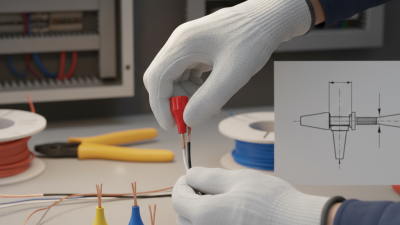
Using High-Quality Insulated Electrical Terminals is a proactive step in addressing safety concerns. Selecting terminals with superior insulation properties can enhance durability. Look for materials that resist corrosion and extreme temperatures. Always ensure proper crimping techniques are employed; loose connections can create heat build-up. This attention to detail helps prevent potential hazards.
Training on the correct installation and maintenance procedures is vital. Team members should understand the importance of these terminals. However, even experienced personnel can overlook small details. This raises questions about training efficacy and highlights the need for continuous education. Always reassess safety protocols to ensure compliance and reliability in operations.
What is Insulated Terminals and How to Choose Them?
| Type | Material | Wire Gauge Compatibility | Temperature Rating (°C) | Voltage Rating (V) | Applications |
| Butt Connector | Tin-Plated Copper | 16-14 AWG | 105 | 600 | Automotive, Electrical Wiring |
| Ring Terminal | Brass | 10-8 AWG | 105 | 300 | Battery, Ground Connections |
| Female Disconnect | Steel, Vinyl Insulation | 16-14 AWG | 105 | 300 | Home Appliances, Electronic Devices |
| Male Disconnect | Brass, Insulated | 16-14 AWG | 105 | 300 | Electronic Components, Wiring Systems |
| Spade Terminal | Copper, Insulated | 14-10 AWG | 105 | 300 | Circuit Boards, Battery Connectors |
Enhancing Electrical Connectivity: Insights from the 2023 Crimping Tool Market Report on Insulated Terminal Crimping Pliers
In the competitive landscape of the 2023 Crimping Tool Market, the focus on enhancing electrical connectivity is paramount. Among the essential tools in this domain are insulated terminal crimping pliers designed for precision and efficiency. One of the standout features of modern crimpers is the rotary dial, which ensures force control, helping to prevent under or over crimping. This technological advancement not only improves the quality of connections but also enhances productivity in various applications such as automotive harness plants and solar farm wiring.
Another key innovation is the quick-change die system, allowing for tool-less, color-coded die swaps in just three seconds. This rapid adaptability is crucial in high-demand environments where time is of the essence. Ergonomically designed tools feature a titanium spring that reduces hand force by 60%, providing comfort and reducing fatigue during extended use. Additionally, the one-touch release mechanism enables users to eject terminals instantly, further streamlining the workflow. With certifications such as CE and TUV, these crimping tools are built to withstand the rigors of factory assembly lines and live panel maintenance, making them a preferred choice among professionals.
FAQS
: Insulated terminals protect against short circuits and reduce electrical shock risks.
The size must match the wire gauge to avoid overheating or loose connections.
Regularly check for wear and damage caused by heat, moisture, and physical stress.
Choose terminals with higher insulation ratings for better performance in outdoor conditions.
Use proper crimping techniques and regularly check for loose connections.
Select materials that resist corrosion and withstand extreme temperatures for durability.
Yes, even experienced electricians can make sizing errors, requiring thoughtful reflection.
Regular reassessment is necessary to ensure compliance and maintain operational reliability.
Conclusion
Insulated terminals are crucial components in electrical systems, designed to secure connections while preventing short circuits and ensuring safety. Their key features include robust insulation materials and various types that cater to different application needs, such as spade, ring, and bullet terminals. Understanding the industry standards and guidelines for size and material composition is essential for selecting the appropriate insulated terminal for any project.
When choosing insulated terminals, it’s important to consider factors such as the specific application, environmental conditions, and maintenance requirements to ensure optimal performance and reliability. Insulated terminals find applications across various sectors, from automotive to industrial, emphasizing the need for proper maintenance and adherence to safety standards to prolong their lifespan and functionality. Such considerations will lead to more effective and safe electrical connections in any given setting.