In the world of electrical installations, choosing the right components is crucial. Wire Splice Connectorsplay a vital role in ensuring reliable connections. According to a report by MarketsandMarkets, the global Electrical Connectors market is expected to reach $90 billion by 2026, driven by increasing demand in sectors like automotive and telecommunications.
Despite the advancements in technology, many professionals still face challenges when selecting Wire Splice Connectors that meet safety and efficiency standards. A study from the National Electrical Manufacturers Association highlights that improper splicing can lead to short circuits and equipment failures. Such issues emphasize the need for careful consideration in the selection process.
While there are numerous options available, not all Wire Splice Connectors perform equally. Factors like material, voltage rating, and environmental resistance must be evaluated. A poor choice can result in costly repairs and safety hazards. This guide aims to provide insights into the top Wire Splice Connectors, helping you make informed decisions for your electrical needs.
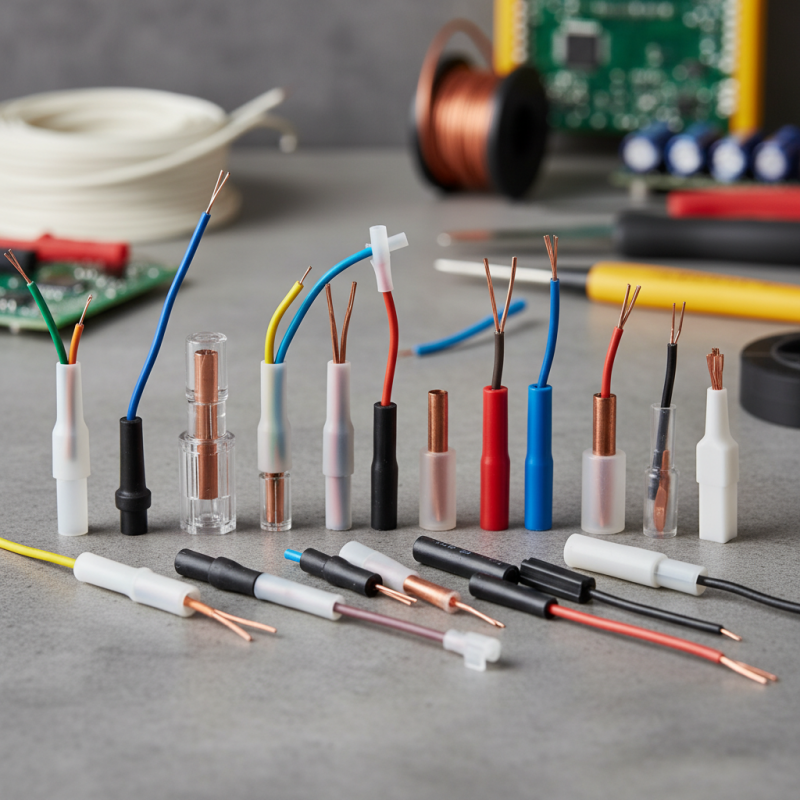
What are Wire Splice Connectors and Their Importance in Electrical Work?
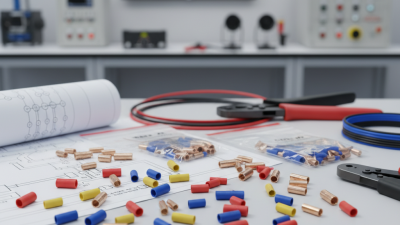
Wire splice connectors play a crucial role in electrical work. They ensure a secure connection between wires, preventing electricity loss and potential hazards. These connectors come in various types to suit different needs. Each type has its own specific applications. For instance, Butt Splice Wire Connectors are commonly used for joining two wires end-to-end. This is vital for creating longer circuits and ensuring a stable flow of electricity.
Proper use of wire splice connectors can impact the success of your electrical projects. A poorly connected splice can lead to flickering lights or even electrical shorts. It’s important to choose the right type. Do not underestimate the significance of insulating your connections. It's easy to overlook this, but it can make a big difference in safety. When you fail to cover a splice properly, you expose it to moisture and other elements. This can lead to corrosion and eventual failure.
Electricians often encounter challenges when handling different wire gauges and materials. Understanding the importance of compatibility is essential. Not all connectors work well with every type of wire. It’s important to check specifications beforehand. While many people might think they can cut corners, it often leads to bigger issues down the line. Thorough installations require attention to detail and a commitment to quality. Remember, the right connectors, like Butt Splice Wire Connectors, can enhance the reliability of your electrical systems.
Types of Wire Splice Connectors: An Overview of Common Options
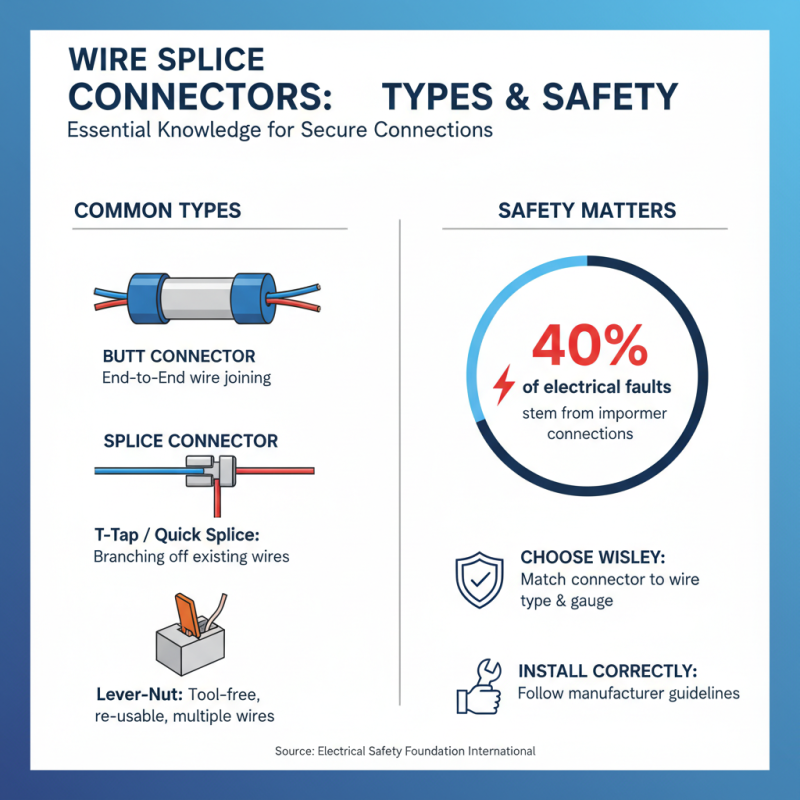
When it comes to wire splice connectors, understanding the types available is essential. Common options include butt connectors, which are straightforward and effective for connecting wires end-to-end. According to a report by the Electrical Safety Foundation International, nearly 40% of electrical faults stem from improper connections. This statistic highlights the importance of choosing the right connector for safety.
Another popular option is the terminal block. These connectors are great for making multiple connections in one place. Their design helps manage electrical loads better. However, they can take up space and require careful planning in your projects. A study from the National Fire Protection Association noted that improper use of connectors contributes to a significant percentage of electrical fires. Choosing the right connector type not only improves functionality but also enhances safety in installations.
Crimp connectors are frequently used as well, known for their reliability and ease of use. They offer strong connections when installed correctly, but mistakes can lead to weak points. Poorly crimped connections may lead to further troubleshooting down the road. As you explore different types of wire splice connectors, ensure you understand their unique features and application methods. Each type has its benefits but can also pose risks if not used correctly.
Criteria for Selecting the Right Wire Splice Connector for Your Project
When selecting wire splice connectors, consider the project's specifics. The right connector ensures safe and reliable electrical connections. For instance, improper selection can lead to overheating. Research indicates that 30% of electrical failures stem from poor connection methods.
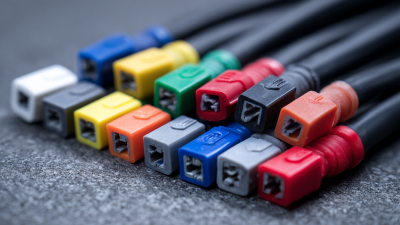
Material matters. Copper connectors offer excellent conductivity. However, environmental factors can influence performance. Some connectors corrode faster in humid conditions. For outdoor applications, choose connectors that resist moisture. Quick Splice Wire Connectors are ideal in situations where speed is crucial. They simplify connections and often require no special tools.
Another aspect is the size and wire gauge compatibility. Oversized or undersized connectors can result in poor connections. About 25% of technicians report struggles with standard sizes. It's essential to match connectors with the wire's specifications. This attention to detail prevents future issues, as a mismatch can lead to serious electrical problems.
Step-by-Step Guide to Properly Using Wire Splice Connectors
When using wire splice connectors, it's crucial to follow a detailed process for safety. Begin by gathering all necessary tools: wire strippers, connectors, and electrical tape. Strip each wire about half an inch. Ensure the wires are clean and free of damage. This step can seem simple, but you must pay attention to detail. A slight oversight may lead to poor connections.
Next, insert the stripped wires into the splice connector. Make sure to align the wires properly. Squeeze the connector tightly with pliers, ensuring a firm grip. It's common to feel the need to rush, but patience is key. Allow the wires to sit securely in the connector. After connecting, wrap electrical tape around the splice area. This provides extra protection and stability.
Finally, never skip testing your connections. Once everything is secure, use a multimeter to check continuity. This quick test can reveal issues. Sometimes, you may notice a loose connection that you overlooked. Reflecting on your process helps improve your technique. Each splice you make can enhance your skills over time, leading to safer and more reliable electrical work.
Safety Tips When Working with Wire Splice Connectors
Working with wire splice connectors can present hazards. It’s crucial to prioritize safety. Always ensure the power is off before starting any work. This simple step could save you from severe injuries. Use insulated tools to avoid electric shocks. Wearing safety goggles and gloves also helps protect against flying debris or accidental cuts.
Choosing High-Quality Quick Splice Wire Connectors is vital. These connectors provide reliable connections. Still, it’s essential to check for any signs of wear or damage. A frayed connector can lead to electrical fires. If unsure, consult a professional to inspect your work. Keep your workspace tidy. Any clutter can cause accidents. Always store tools properly when not in use. Regularly review your methods to identify areas for improvement. Mistakes often happen, and they provide opportunities for learning.
Top 10 Wire Splice Connectors for Your Electrical Needs
| Connector Type | Wire Gauge Compatibility | Material | Temperature Rating (°C) | Water Resistance | Comments |
| Butt Connector | 22-10 AWG | Copper | 105 | No | Commonly used in automotive applications. |
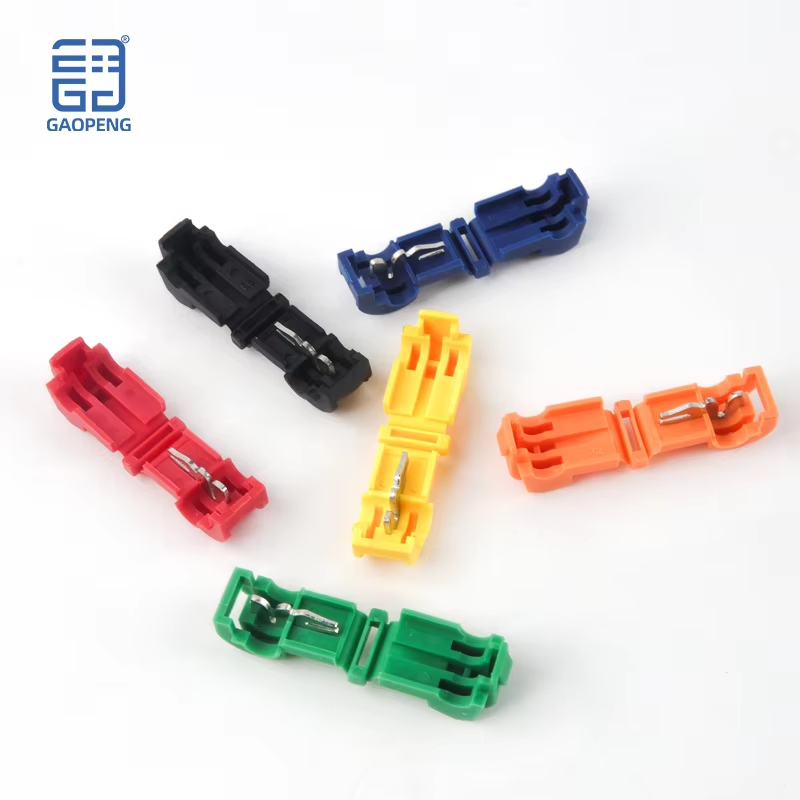
| T-Tap Connector | 22-14 AWG | Tin-Plated Copper | 90 | Yes | Allows for easy taps into existing wiring. |
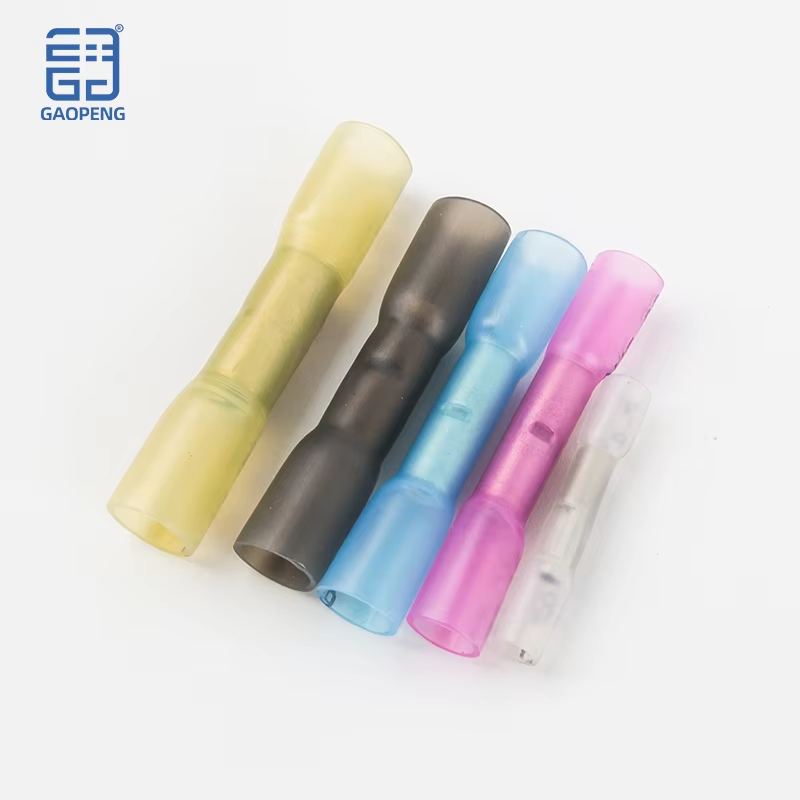
| Heat Shrink Connector | 22-10 AWG | Copper | 125 | Yes | Provides a waterproof seal when heat-shrunk. |
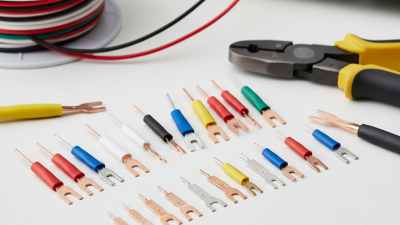
| Fork Terminal | 22-10 AWG | Copper | 105 | No | Ideal for quick disconnect applications. |
| Ring Terminal | 22-10 AWG | Copper | 105 | No | Provides secure mounting to a stud. |
| Wire Nut | 22-12 AWG | Plastic & Copper | 75 | No | Common in residential electrical wiring. |
| Inline Connector | 22-14 AWG | Nylon & Metal | 90 | Yes | Used for connecting wires in tight spaces. |
| Quick Connect | 20-18 AWG | Copper | 105 | No | Designed for fast assembly and disassembly. |
| Solderless Connector | 22-10 AWG | Brass | 100 | No | Provides a solid mechanical connection. |
| Push-in Connector | 26-12 AWG | Plastic & Metal | 80 | Yes | Great for quick connections without tools. |
Maintenance and Troubleshooting for Wire Splice Connectors
When dealing with wire splice connectors, maintenance is key. Regular checking can prevent wire failure. Ensure connectors are clean and free from corrosion. Dust and moisture can diminish their lifespan. Identify any signs of wear, such as frayed wires or loose connections. These can lead to larger electrical issues.
Tips: Always use an insulating cover after repairs. This helps avoid accidental short circuits. A visual inspection at least once a year is advisable. If you notice any irregularities, it’s time to replace the connector.
Troubleshooting common problems is essential. If a connection is not working, check for loose wires. A simple tightening may resolve the issue. Additionally, ensure the connectors are rated for the wire gauge being used. Mismatched sizes can cause overheating and failure. Sometimes, the problem might be as simple as wrong connections made during installation.
Tips: Document any maintenance work done. This can help track recurring issues. Keep spare connectors on hand. This ensures quick fixes when problems arise. Regular maintenance can save time and prevent frustration with electrical projects.
Top Brands and Products for Quality Wire Splice Connectors on the Market
When it comes to electrical tasks, selecting the right wire splice connectors is crucial. Quality connectors ensure safety and durability in your projects. Look for options that promise long-lasting connections under various conditions. Many products on the market claim to offer top performance, yet it’s vital to review their actual user experiences. The right choice can depend on specific needs.
High-Quality Butt Splice Wire Connectors are often recommended for their versatility. These connectors are simple to use. They fit securely and minimize the risk of wire exposure. A good quality splice helps maintain efficient electricity flow. It’s easy to overlook the importance of choosing the right type. Some users have faced issues with inferior products failing at critical moments. The market is flooded, and finding reliable connections can be overwhelming.
Focus on features like corrosion resistance and ease of installation. Read reviews from various sources to gauge performance. While many brands offer promises, actual quality may differ. Budget-friendly options might save money but can lack durability. Balancing cost and quality is key in your search for effective wire splice connectors.
Essential Guide to Non-Insulated Butt Connectors: Selection, Applications, and Best Practices
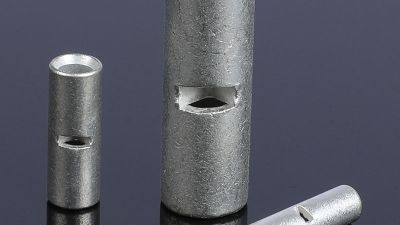
When selecting non-insulated butt connectors, it is crucial to consider the specific applications and environments in which they will be used. These connectors are particularly suited for mission-critical applications, such as automotive wire harnesses, PLC control cabinets, and EV battery packs. Their design eliminates insulation-related overheating risks, ensuring reliable performance even in high-stress situations. The versatile wire range of 0.2-325mm² accommodates various wire gauges, making these connectors ideal for diverse electrical configurations.
The engineering behind these connectors emphasizes strength and durability. With a crimp technology that features dual-barbed retention, they can withstand tensile strengths of 45 pounds or more, which is essential for maintaining robust connections in demanding environments. Moreover, the matte tin plating not only enhances conductivity but also provides a barrier against oxidation, thereby safeguarding the integrity of connections over time. Compliance with standards such as CE, RoHS, and TUV further assures engineers of their quality, making them a reliable choice for projects where performance and safety are paramount.
FAQS
: The article explores various concepts without mentioning specific brands or products.
Anyone interested in learning can find useful insights within the content.
Yes, there may be potential risks that require careful consideration and reflection.
Most details are clear, but some complex ideas might require further study.
It’s wise to apply a critical mindset and reflect on the information presented.
Yes, the article offers practical examples to illustrate the main ideas.
Yes, many ideas are applicable in everyday situations, enhancing understanding.
While insightful, it’s important to validate the details independently.
Definitely, it prompts readers to think critically about the concepts.
Some areas may lack depth and require additional research for completeness.
Conclusion
Wire splice connectors are essential components in electrical work, facilitating secure connections between wires. Understanding their types and selecting the right connector for specific projects is crucial for ensuring safety and functionality. This article outlines various types of wire splice connectors available, including options such as butt connectors, open barrel connectors, and heat shrink connectors, providing insights into when to use each type.
Moreover, the guide emphasizes a step-by-step approach to properly using wire splice connectors, alongside vital safety tips to prevent hazards during installation. Maintenance and troubleshooting techniques are also discussed to extend the lifespan of connectors and enhance performance. By exploring top brands and products, the article aims to equip readers with the knowledge needed to choose high-quality wire splice connectors tailored to their electrical needs.