News
How to choose a terminal block and the uses of terminal blocks
1. Electrical Parameters: The rated voltage and rated current must meet the circuit requirements.
2. Wire Specifications: Choose a model that matches the wire cross-sectional area (square millimeters or AWG gauge).
3. Connection Method: Select screw, spring, or crimp types based on installation convenience, reusability, and vibration resistance requirements.
4. Environmental Requirements: Consider whether features such as waterproofing (IP rating), corrosion resistance, and high-temperature resistance (UL94 flame retardant rating) are needed.
5. Installation Space: Choose terminal shapes and sizes that fit the layout inside the equipment.
6. Certification Standards: Select products that comply with relevant industry or regional safety certifications (such as UL, CE, CCC).
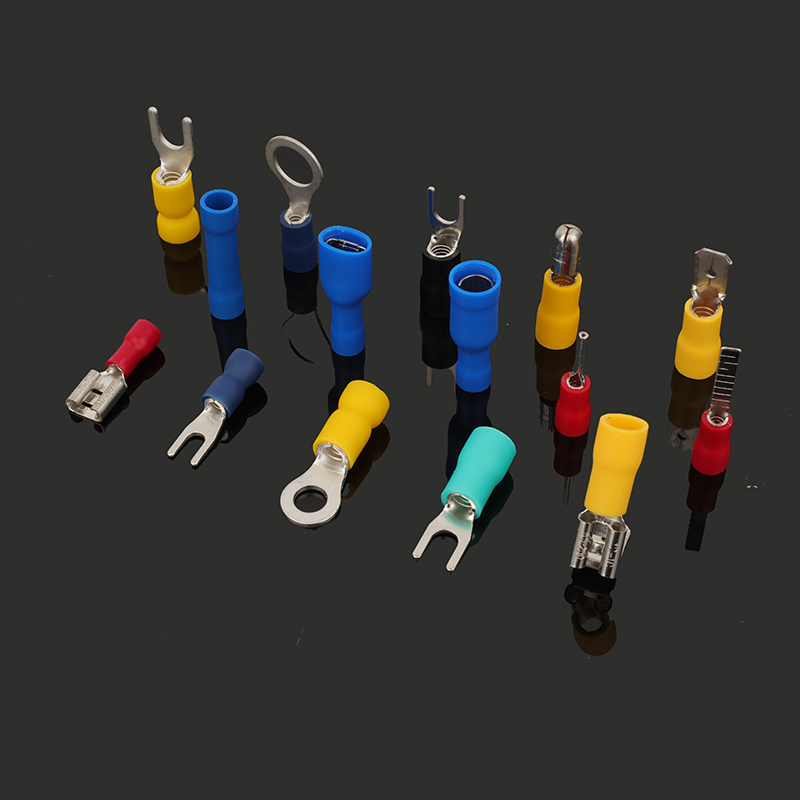
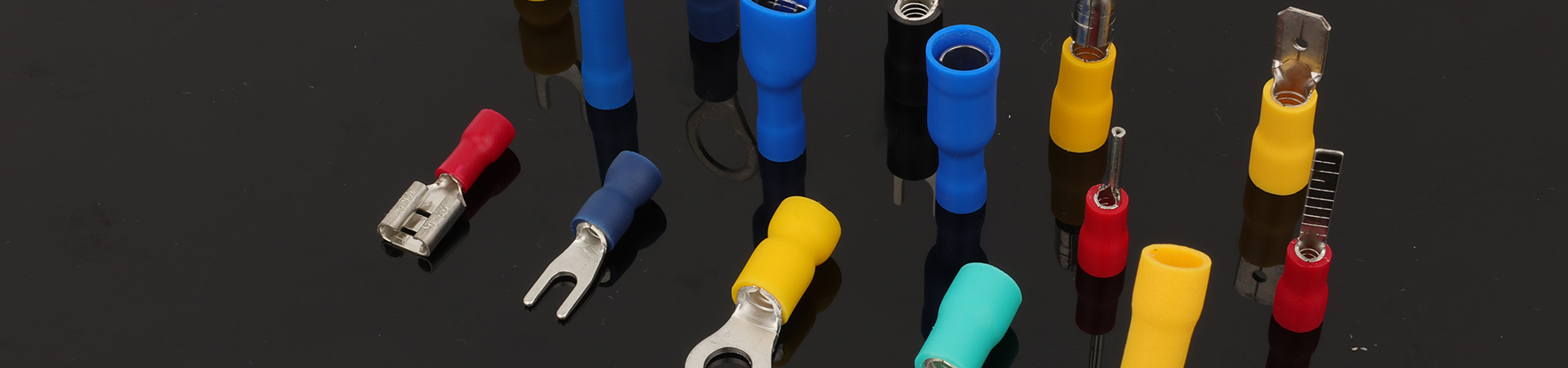
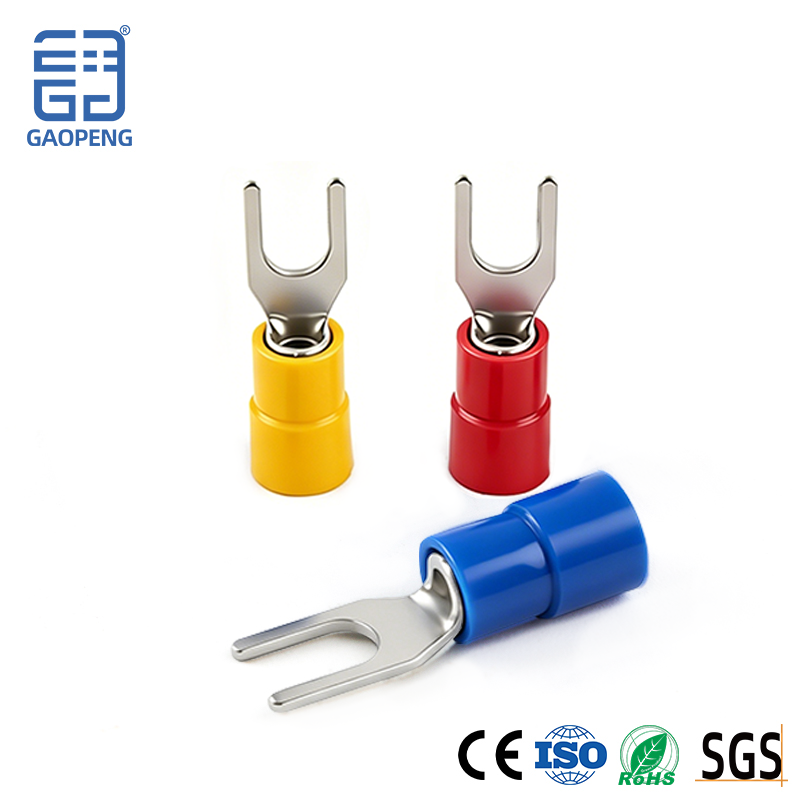
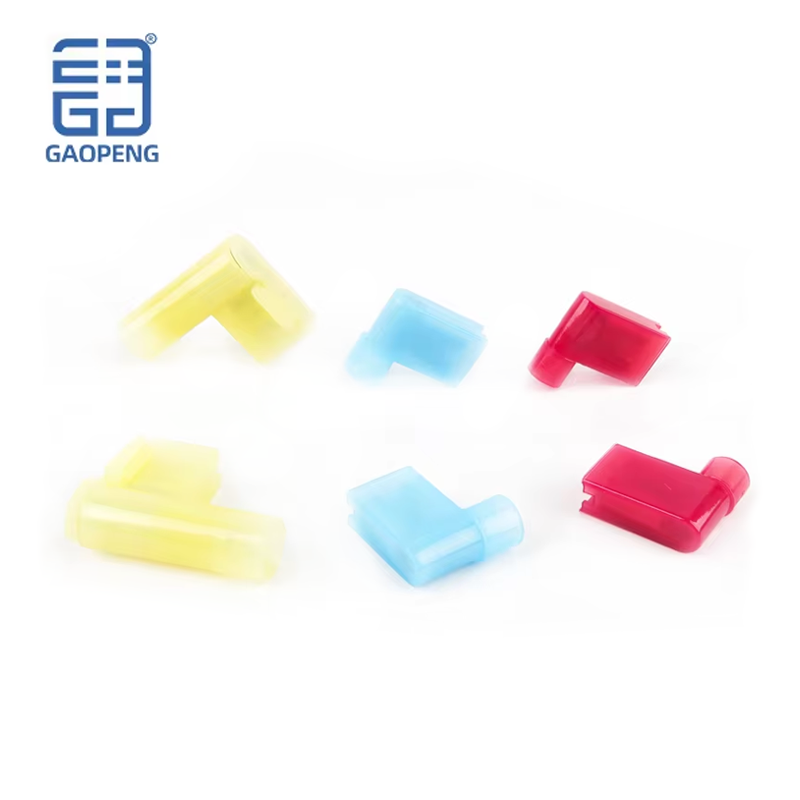
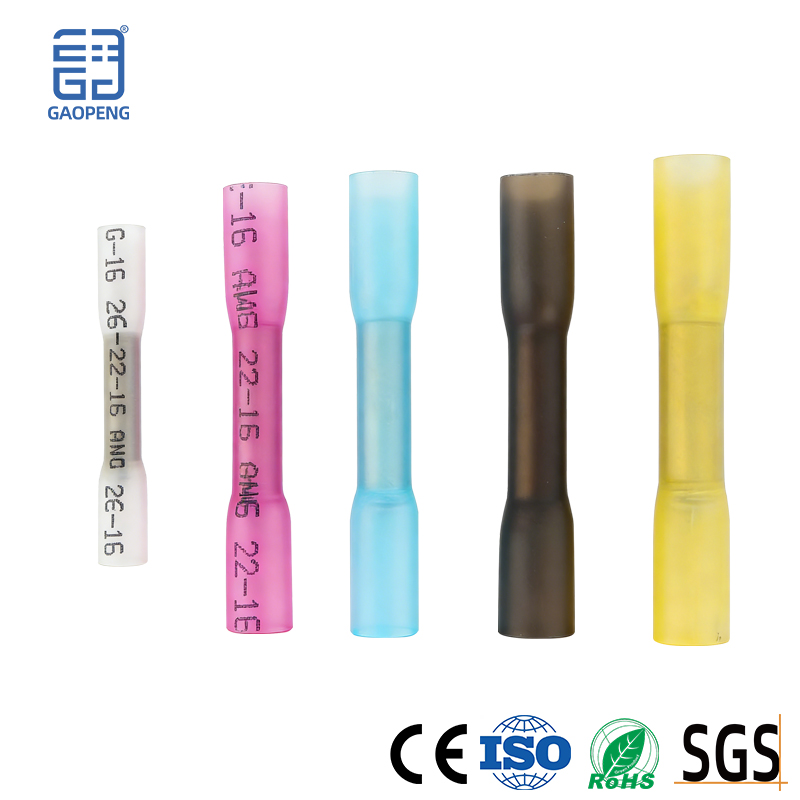
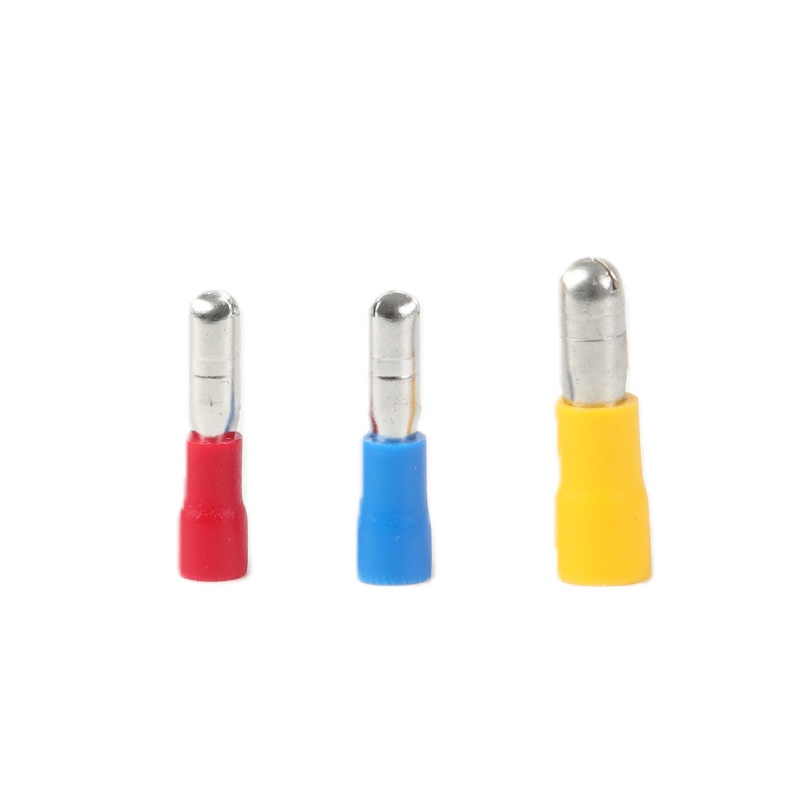
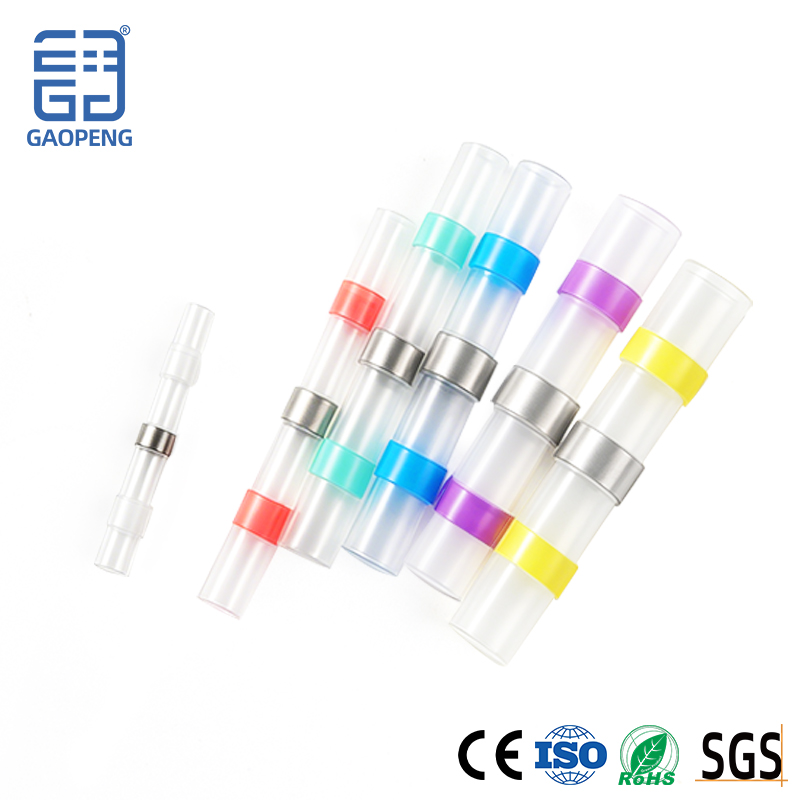
What are insulated terminals and what types are there?
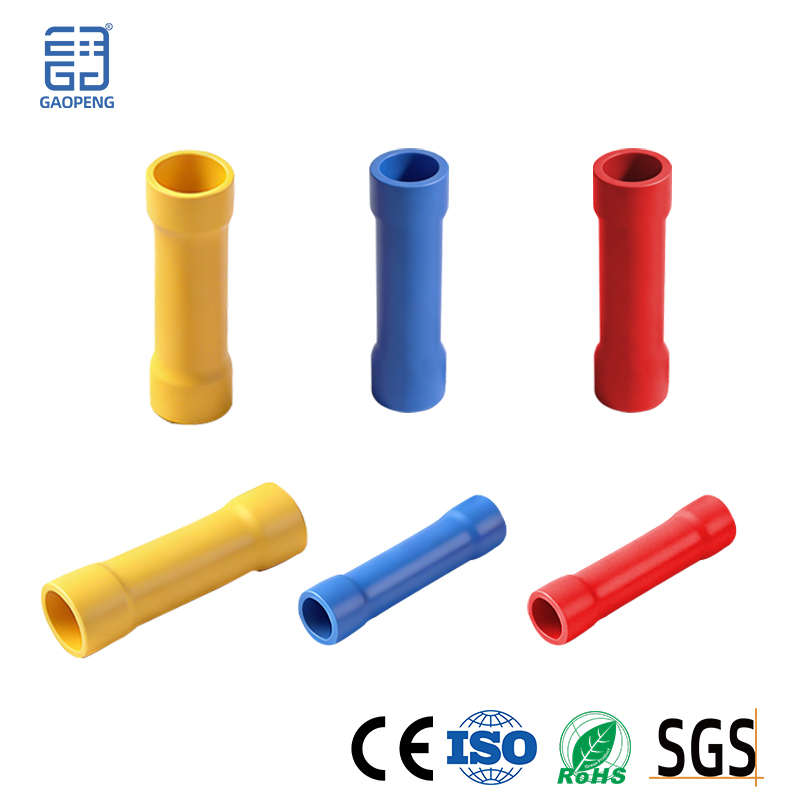
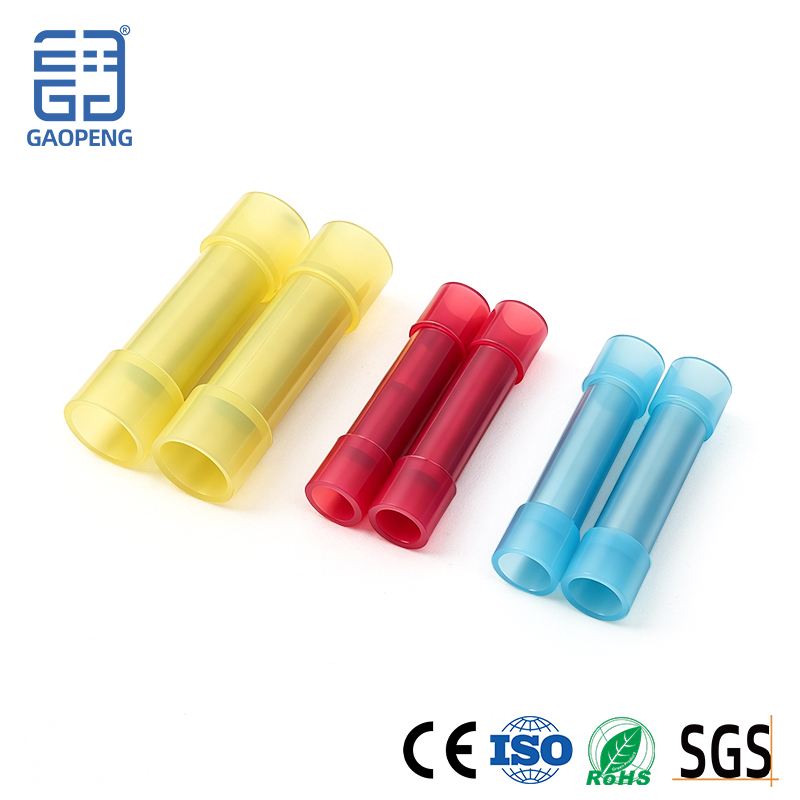
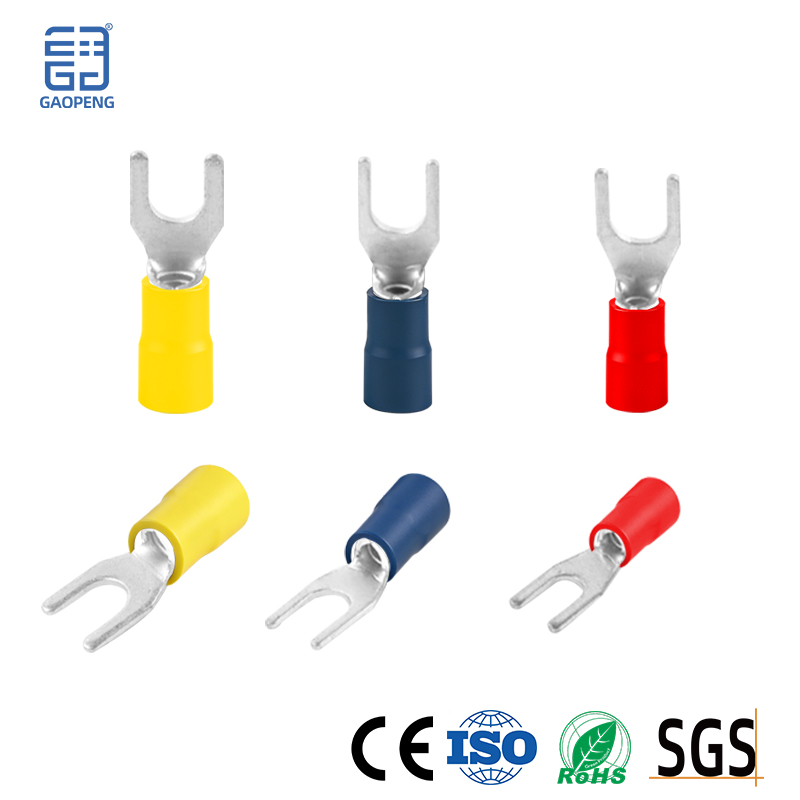
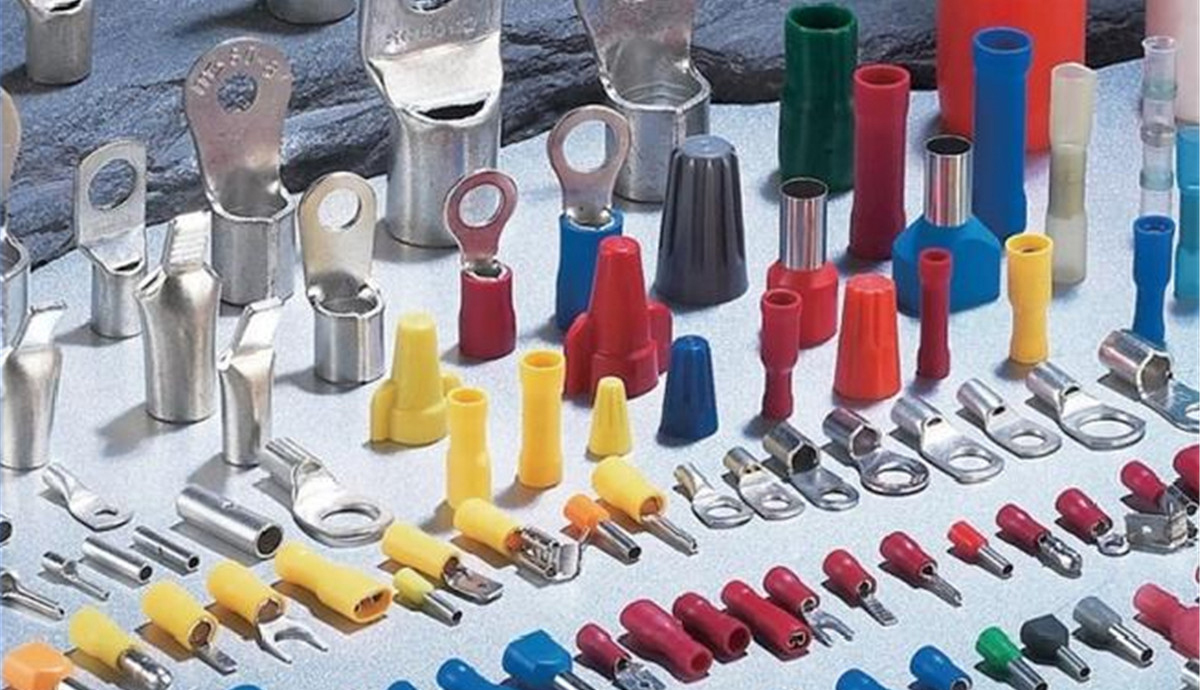
An insulated terminal is essentially a piece of metal encased in insulating plastic, with holes at both ends to insert wires and screws for tightening or loosening. For example, two wires may need to be connected at times and disconnected at other times. In such cases, terminals can be used to connect them, allowing them to be disconnected at any time without soldering or twisting them together, which is very convenient and fast. Moreover, it looks neat, and the wiring in the cabinet appears orderly and organized.
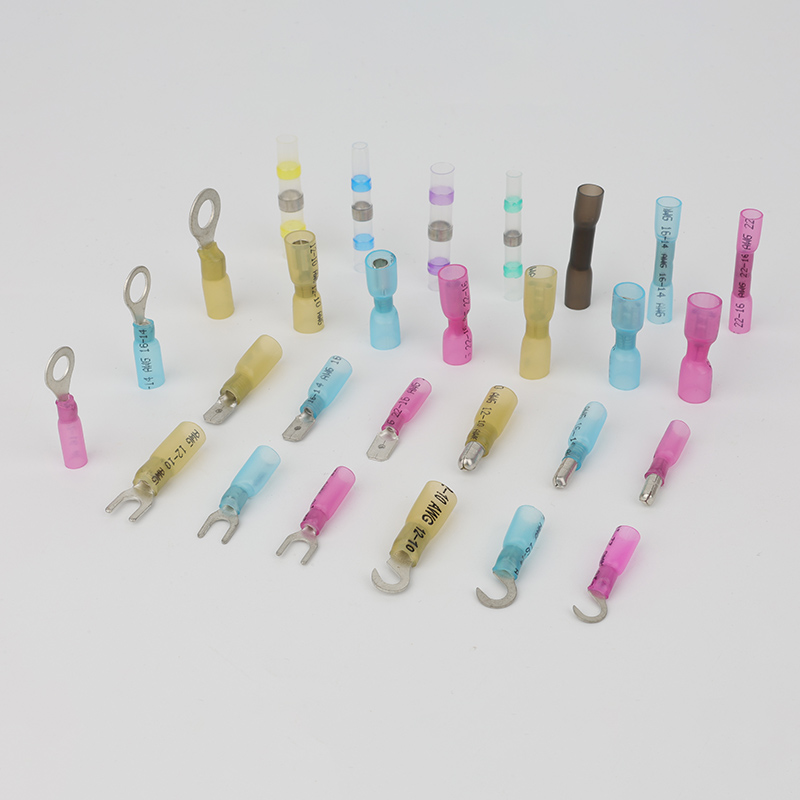
The working principle of a terminal block
A terminal block is a basic component in an electrical connection system, and its core function is to safely, reliably, and conveniently establish electrical connections between wires and devices or between wires themselves.
Its working principle can be summarized as follows: mechanically fixing the wire to ensure tight contact, thereby establishing a low-resistance, highly stable electrical path.
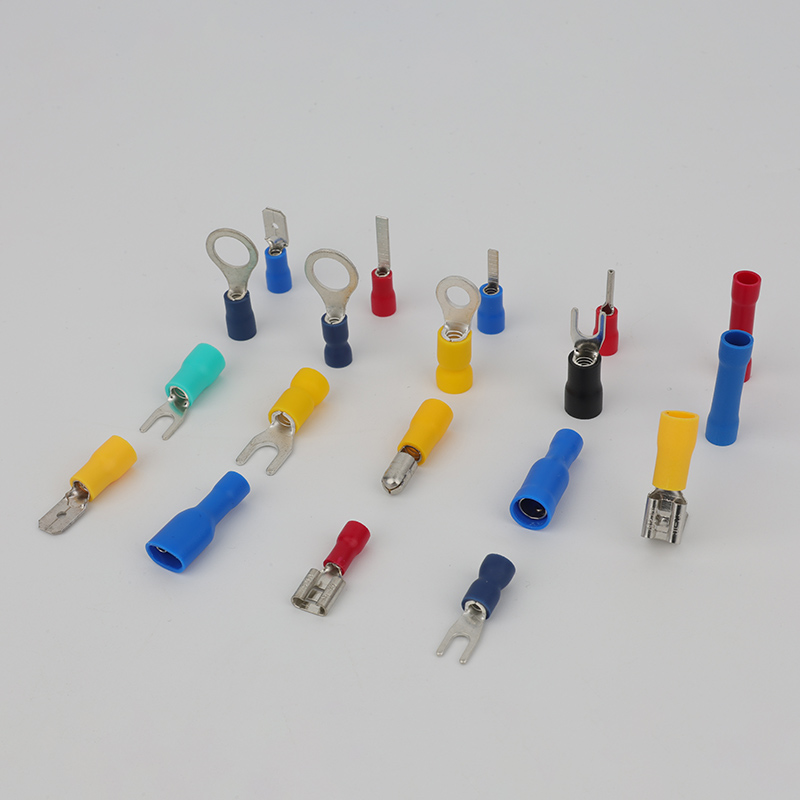
What are the solutions for poor contact in terminal blocks?
Causes of Poor Contact
The metal conductor inside the terminal is the core component of the terminal, transmitting voltage, current, or signals from external wires or cables to the corresponding contacts of the mating connector. Therefore, the contact must have an excellent structure, stable and reliable contact retention force, and good electrical conductivity. Poor contact at the contact or mating parts can occur due to unreasonable contact design, wrong material selection, unstable mold, excessive machining dimensions, rough surfaces, improper surface treatment processes such as heat treatment and plating, improper assembly, harsh storage and usage environments, and improper operation.
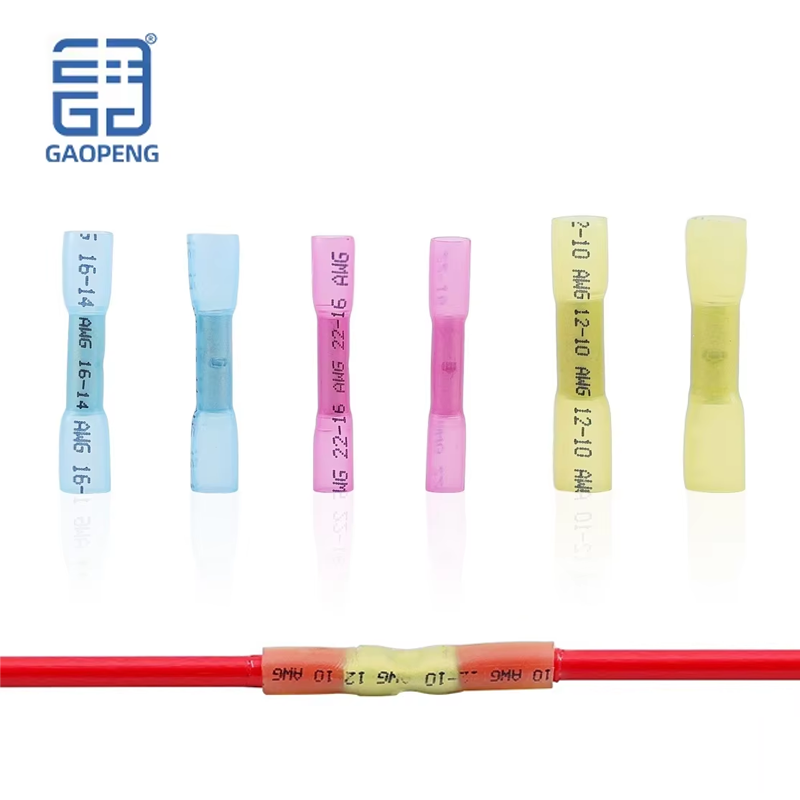
Connectors: The Unsung Heroes Powering Our Connected World
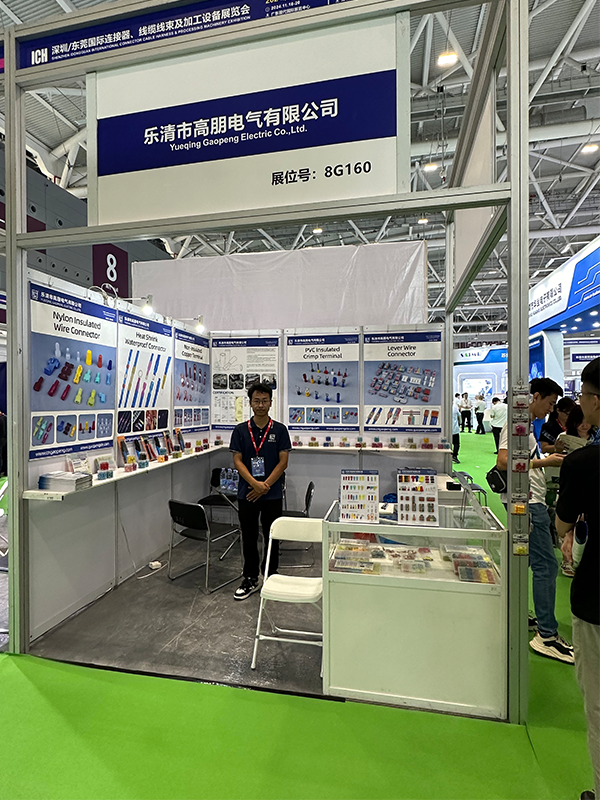
Yueqing Gaopeng Electric Makes Waves at Shenzhen Connector Expo 2024: Where Reliability Meets Innovation

Terminal Blocks: The 'Precision Joints' of Industrial Connectivity, Revealing How Small Components Support the Safety of Modern Electrical Systems
What would it be like without terminals? In this case, the circuits would need to be permanently connected with continuous conductors. For example, if an electronic device needs to be connected to a power supply, both ends of the connecting wire must be fixed to the electronic device and the power supply in some way (such as soldering). This would bring a lot of inconvenience for both production and use. Therefore, the importance of terminals becomes apparent!
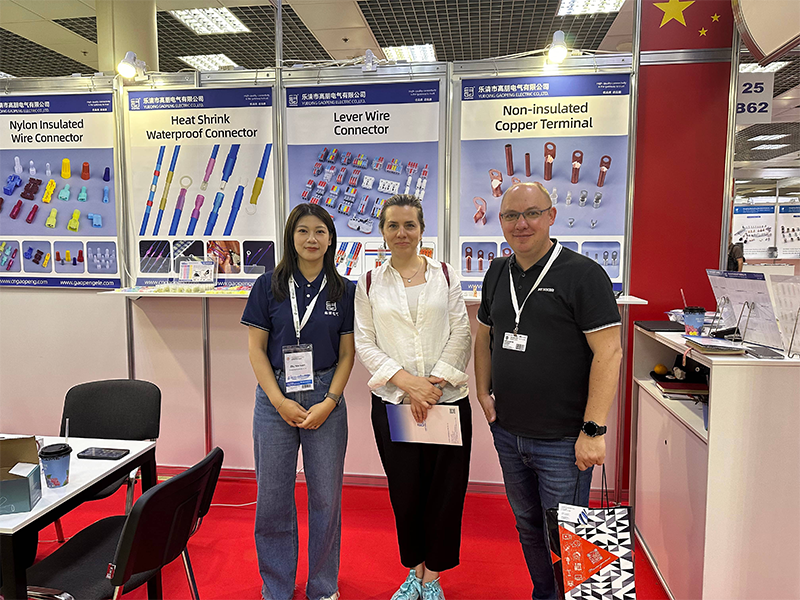
Yueqing Gaopeng Electric Conquers the Russian Market: Exciting debut at the 2024 Russia Exhibition
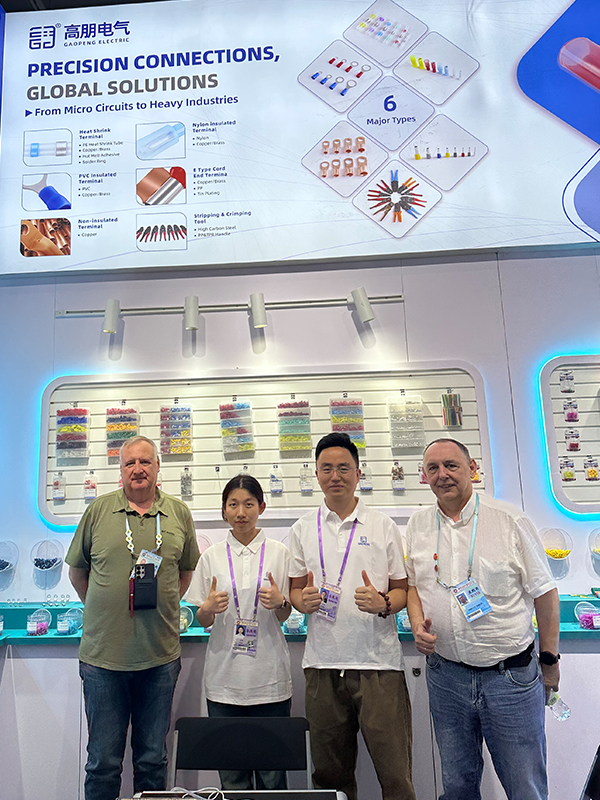
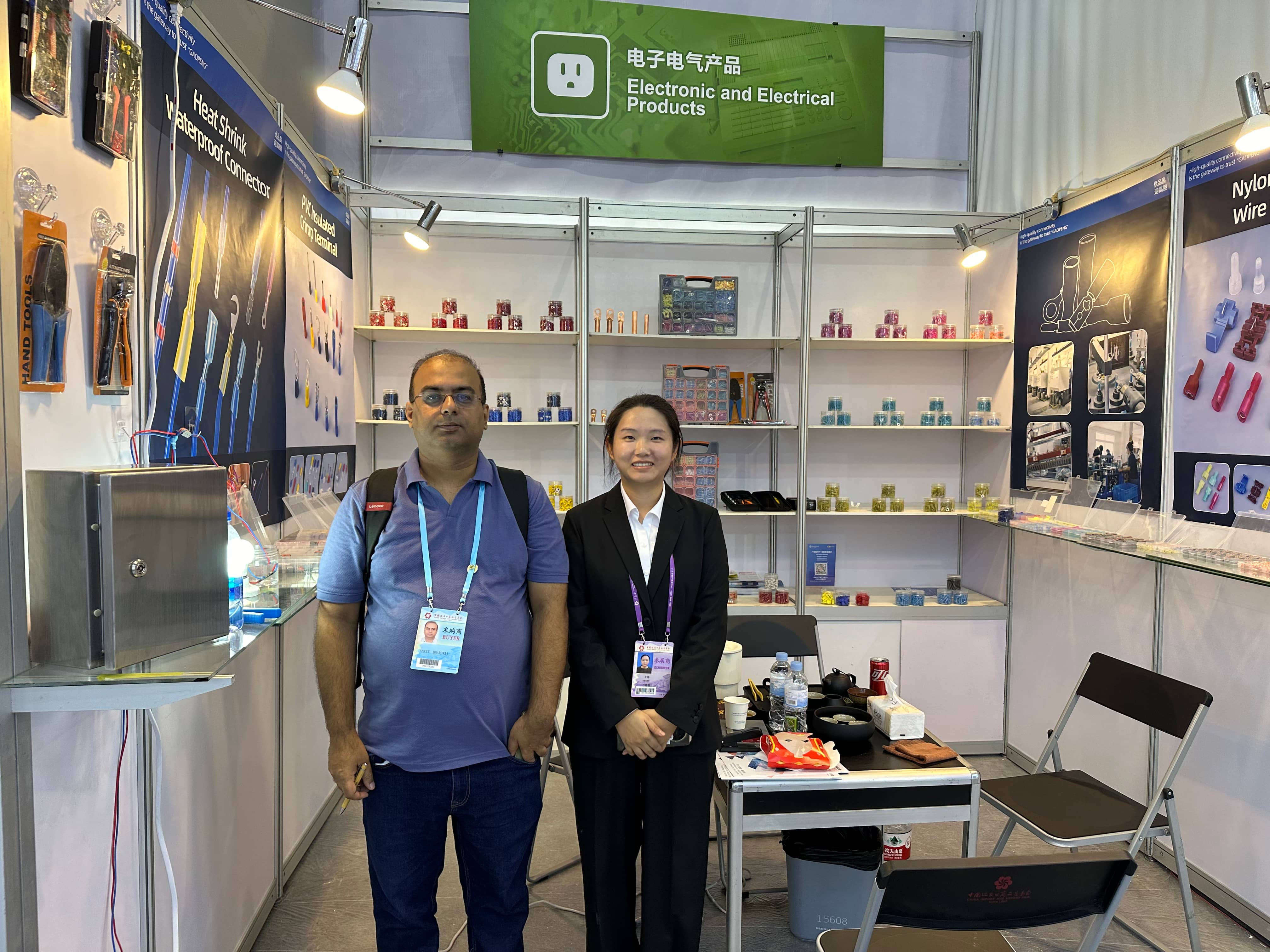
Yueqing Gaopeng Electric Connects the Future at the 137th Canton Fair: Where Reliability Meets Wit