



News
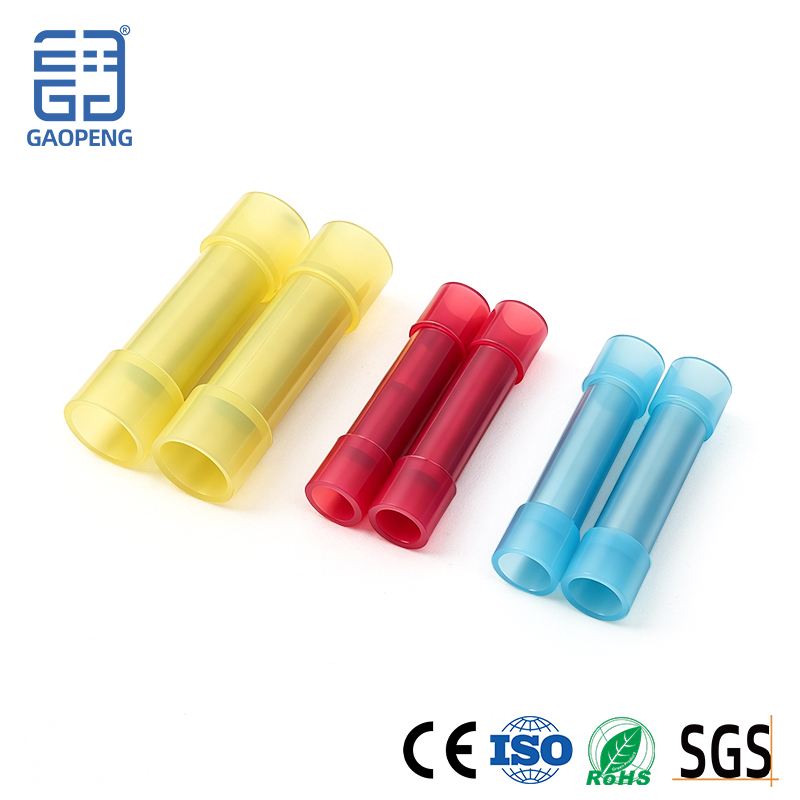
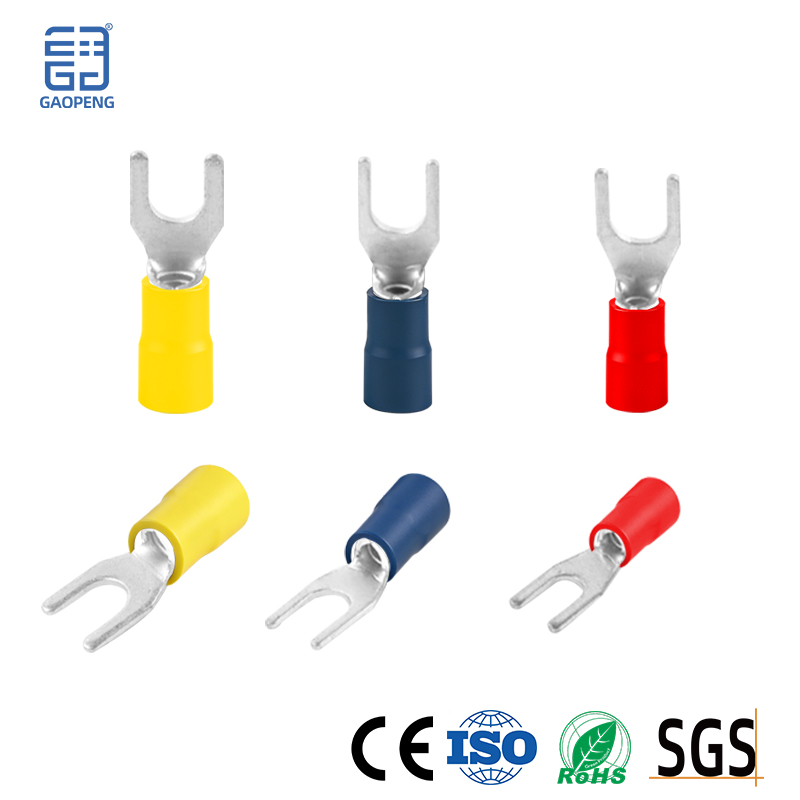
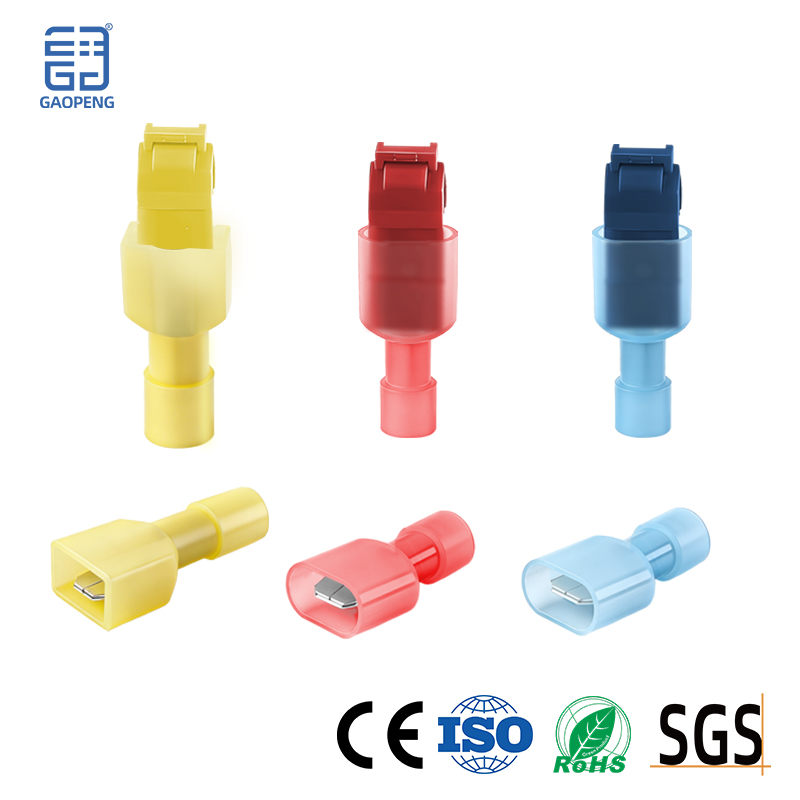
How Insulated Ferrules Terminals Improve Industrial Maintenance and Energy Efficiency
In the competitive landscape of modern industry, two metrics define operational excellence: minimizing unplanned downtime and optimizing energy consumption. While these goals are often pursued through advanced automation and sophisticated software, their foundation lies in the physical integrity of electrical connections. At Yueqing Gaopeng Electric Co., Ltd., we engineer components that directly impact these critical outcomes. Insulated ferrules terminals, far from being simple accessories, are strategic assets for enhancing industrial maintenance protocols and unlocking measurable gains in energy efficiency.
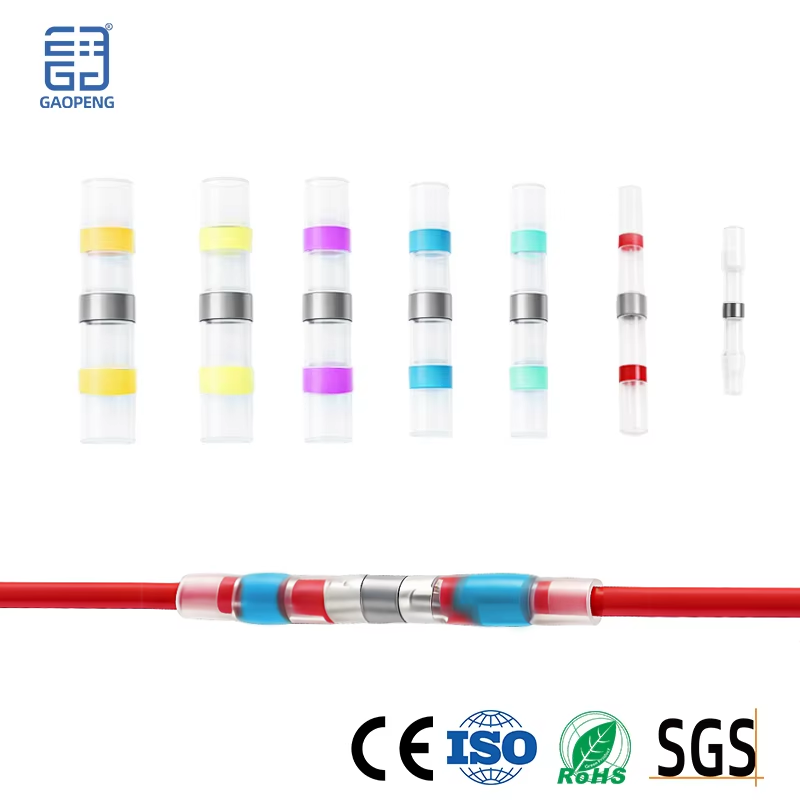
Can Insulated Ferrules Terminals Improve The Efficiency Of Smart And Renewable Energy Systems?
As the global transition toward smarter and more sustainable energy accelerates, the reliability and performance of every component within these systems come under scrutiny. At Yueqing Gaopeng Electric Co., Ltd., we specialize in the critical hardware that forms the backbone of electrical connectivity: insulated ferrules terminals. Often considered a simple accessory, these precision components are proving to be vital enablers of efficiency, safety, and longevity in next-generation energy infrastructure. This article examines how insulated ferrules directly contribute to optimizing the performance of both renewable energy installations and intelligent automation networks.
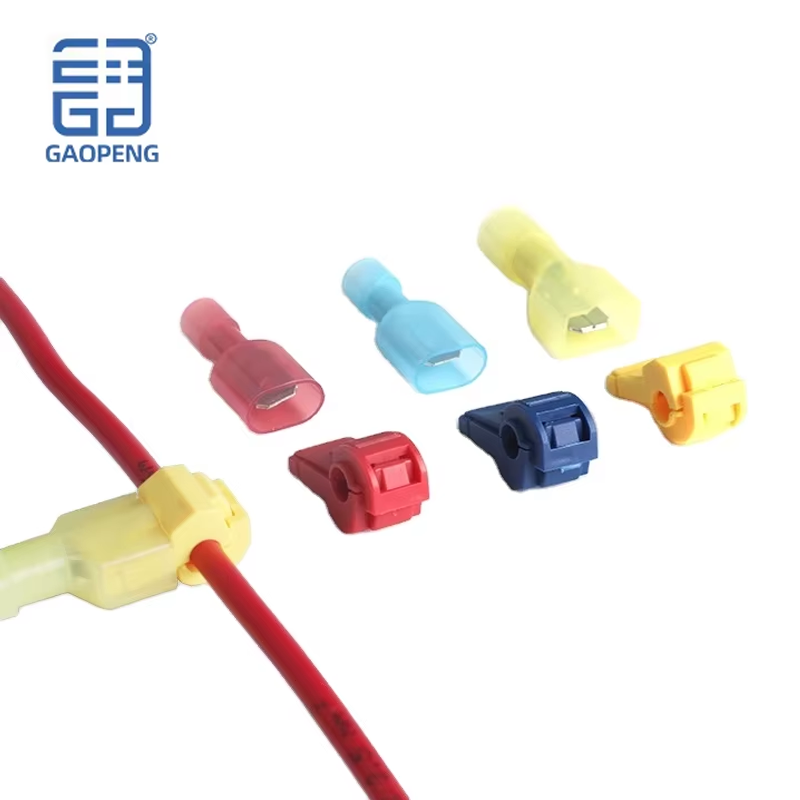
How Insulated Ferrules Terminals Transform Home and Industrial Wiring
In the world of electrical connections, reliability, safety, and efficiency are non‑negotiable. At Yueqing Gaopeng Electric Co., Ltd., we specialize in manufacturing electrical terminals that meet these critical demands—and among our most transformative products are insulated ferrules terminals. Often overlooked, these small components play an outsized role in upgrading both residential and industrial electrical installations. This article explores how insulated ferrules are revolutionizing wiring practices, enhancing safety, simplifying work, and delivering long‑term performance across diverse settings.
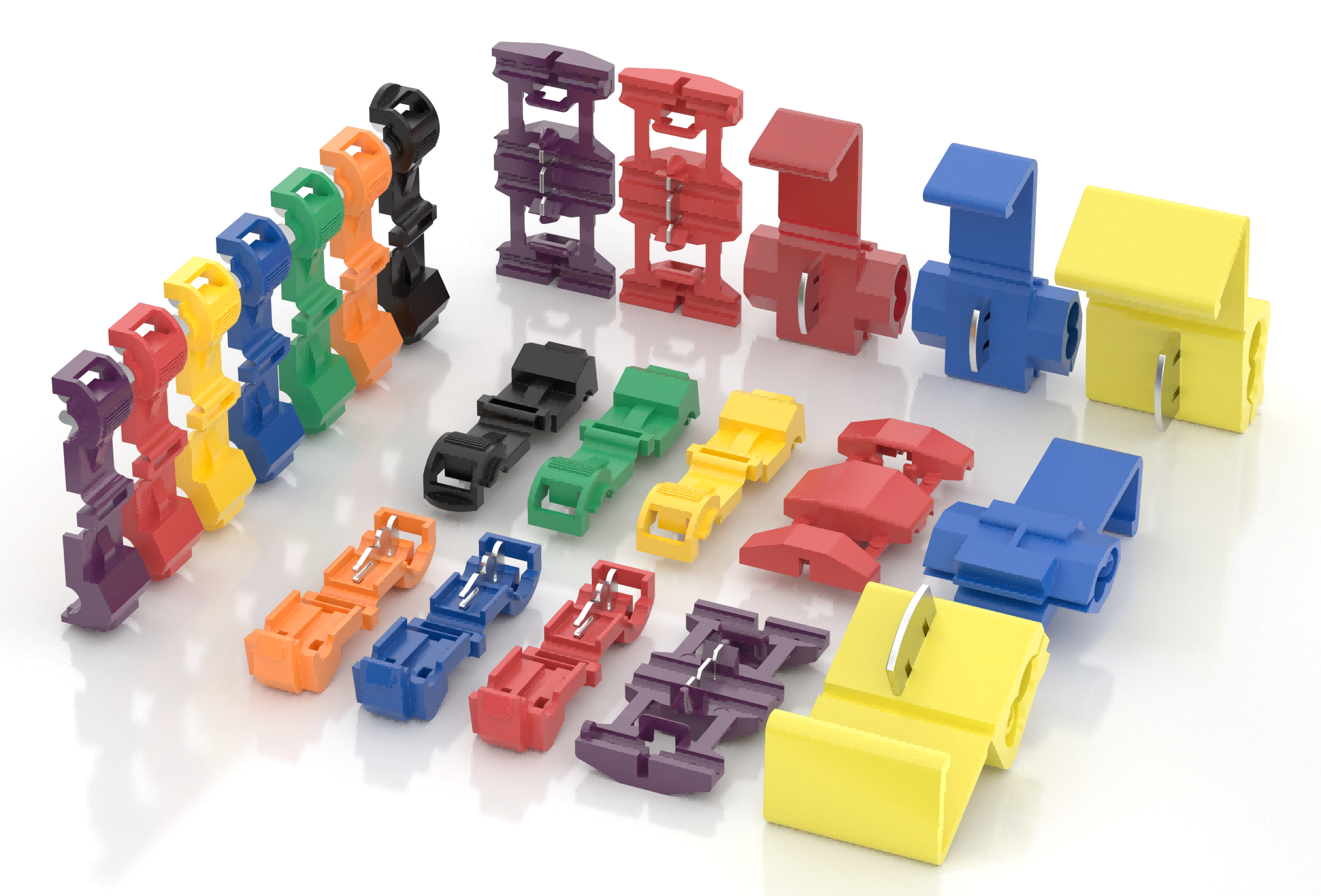
Why Choosing the Right Electrical Wire Terminals Enhances Safety and Efficiency
At Yueqing Gaopeng Electric Co., Ltd., we understand that the foundation of any robust electrical system lies not just in prominent components like switches or circuit breakers, but in the critical, often overlooked elements that hold everything together: electrical wire terminals. The selection of the appropriate terminal is far from a minor detail; it is a fundamental engineering decision with direct and profound implications for system safety, operational efficiency, long-term reliability, and regulatory compliance. This article delves into the key reasons why specifying the right terminal is a non-negotiable aspect of professional electrical design and installation.
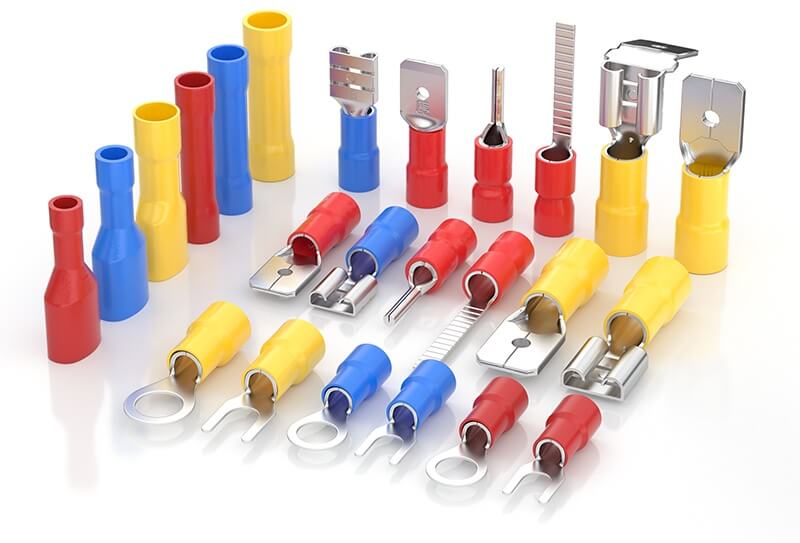
Crimping method of connecting terminal
Preparation before crimping
1 Tools and materials selection
Select the appropriate crimping tool according to the terminal type, such as manual crimping pliers (suitable for U-shaped terminals), square crimping pliers (suitable for tubular terminals) or small crimping pliers (suitable for micro terminals such as XH2.54).
Ensure that the cross-sectional area of the conductor is matched with the aperture of the terminal, so as to prevent the conductor 39 from being damaged due to the inconsistent size.
2 wire treatment
Use wire stripping pliers to strip the insulation of the conductor, and the length of the exposed wire core should match the depth of the terminal metal ring (usually 2-3mm).
Clean the exposed wires, remove the oxide layer or dirt (such as using a copper wire brush) to ensure the conductivity.
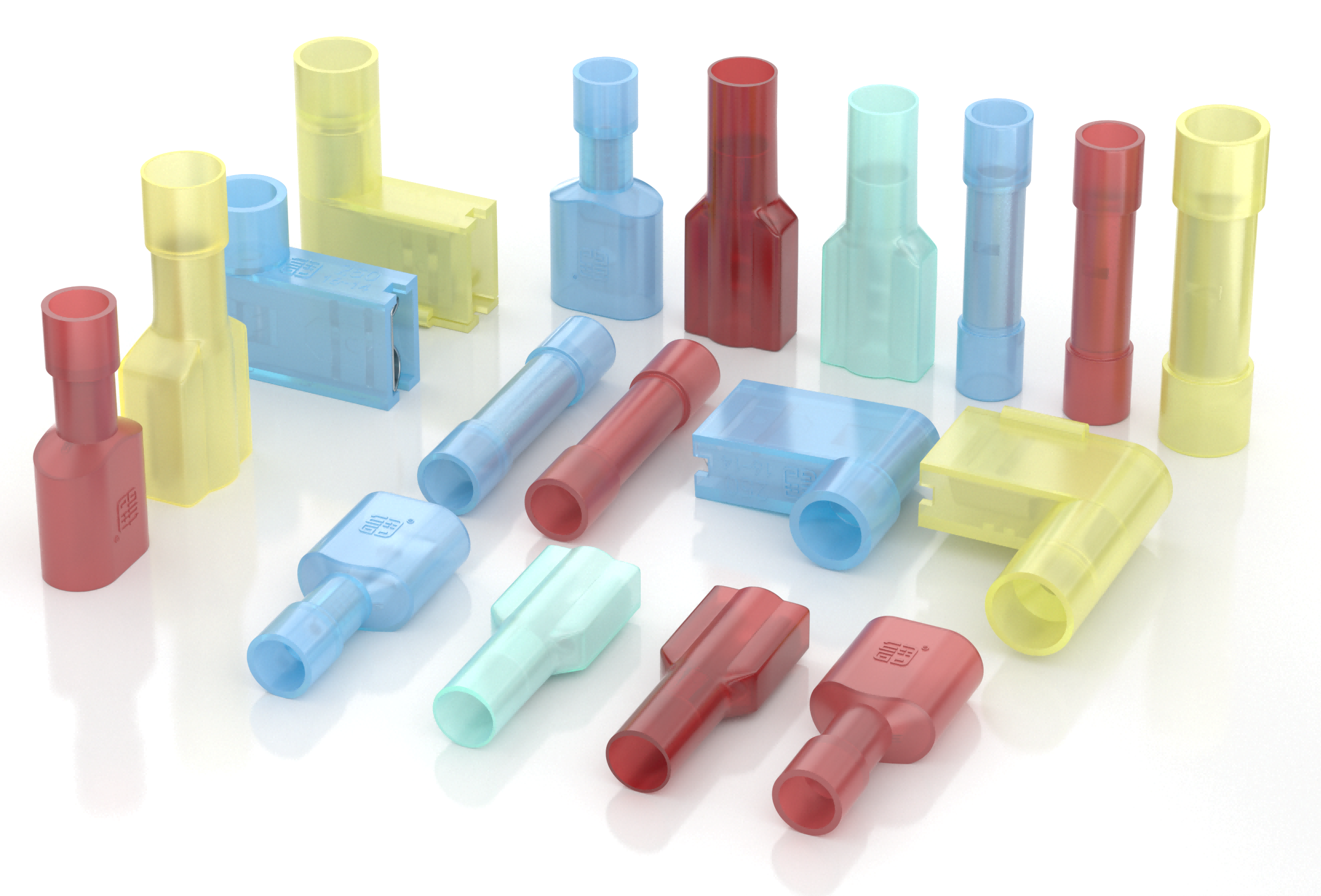
What Makes A Connector Heat-Resistant? The Science of Staying Cool Under Fire
In the intricate world of electrical systems, heat is the silent adversary. It degrades materials, increases resistance, and is a primary culprit behind connection failure. At Yueqing Gaopeng Electric Co., Ltd., we engineer solutions that withstand this challenge. This article delves into the critical question: What makes a connector heat-resistant? We'll explore the materials, design principles, and applications that define these robust components.
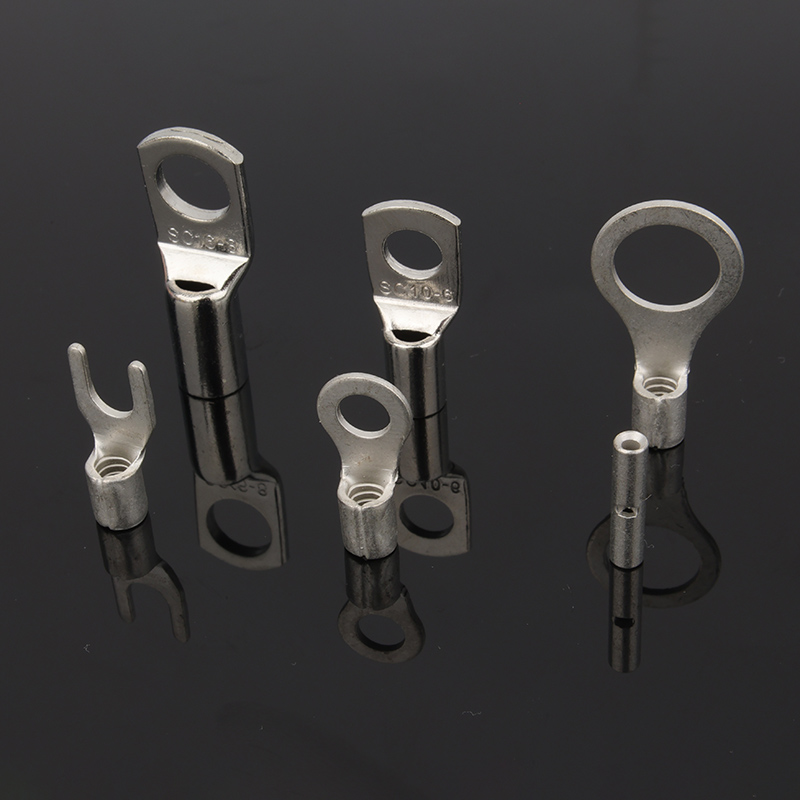
Introduction to the Function of Metal Coatings on Terminal Blocks
In the field of electrical connections, terminals are key components for achieving reliable connections between wires and devices. Their base materials are usually copper or copper alloys (such as brass or phosphor bronze) due to their excellent conductivity. However, pure copper or certain alloys are prone to oxidation and corrosion in the air, which can increase contact resistance and cause connection failure. Therefore, applying a precision metal coating on their surface is a core process to ensure the performance, reliability, and lifespan of the terminals.
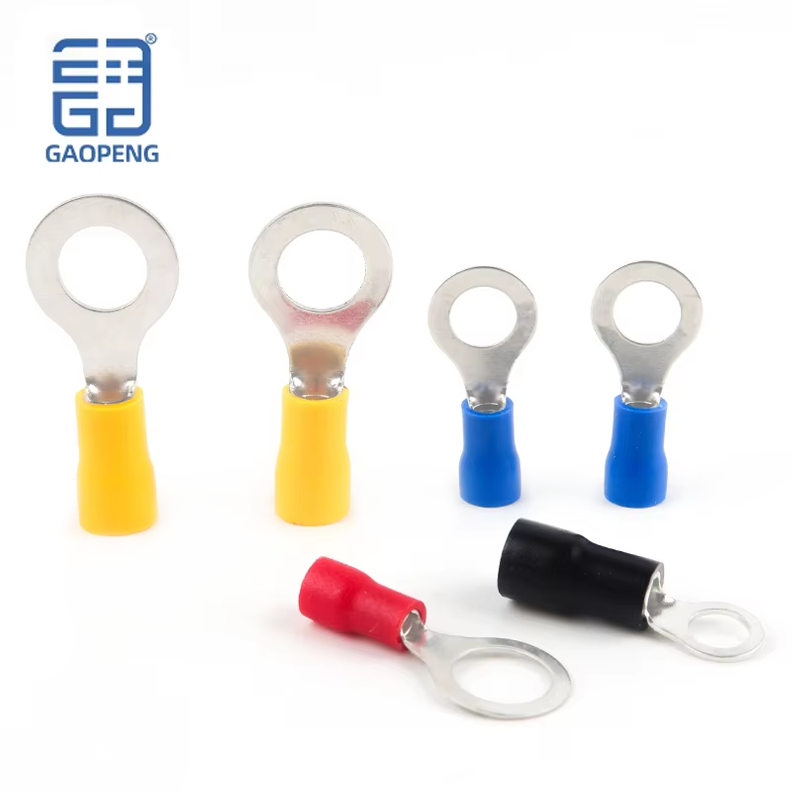
The Art of the Perfect Crimp: A (Mostly) Pain-Free Guide to Insulated Crimp Connectors
Hello, fellow wire wranglers and electrical enthusiasts! If you’ve ever stared at a tangle of wires and a bag of insulated crimp connectors with a mix of determination and dread, you’re not alone. Here at Yueqing Gaopeng Electric Co., Ltd., where crafting reliable terminals is our daily bread and butter, we’ve seen it all. Today, we’re slicing through the confusion with a guide that’s equal parts precision and personality. Let’s turn that crimping chore into a satisfying click of success.
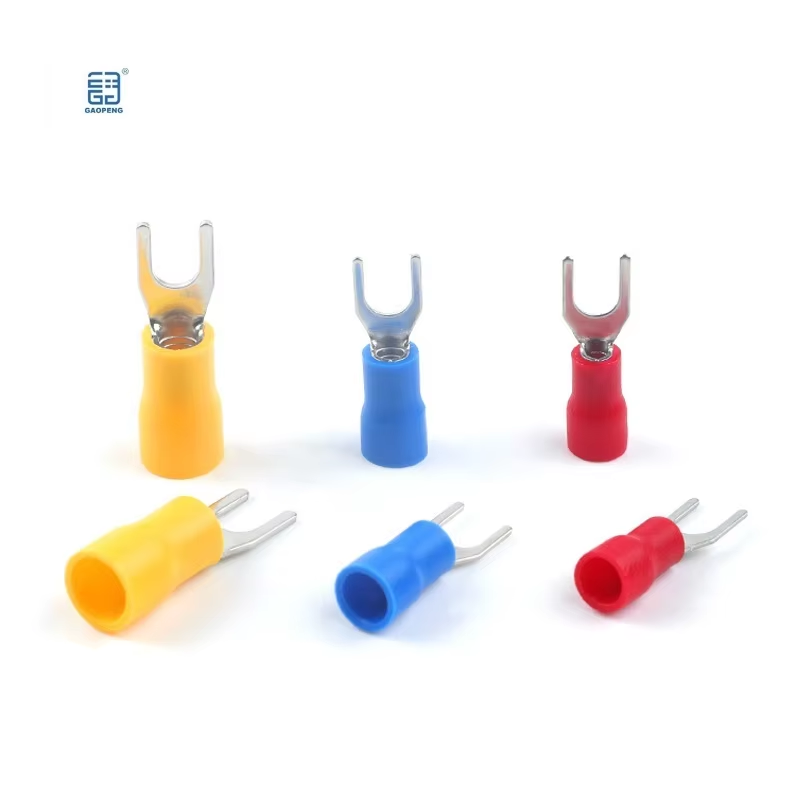
Copper terminals have good conductivity, secure connections, insulation protection
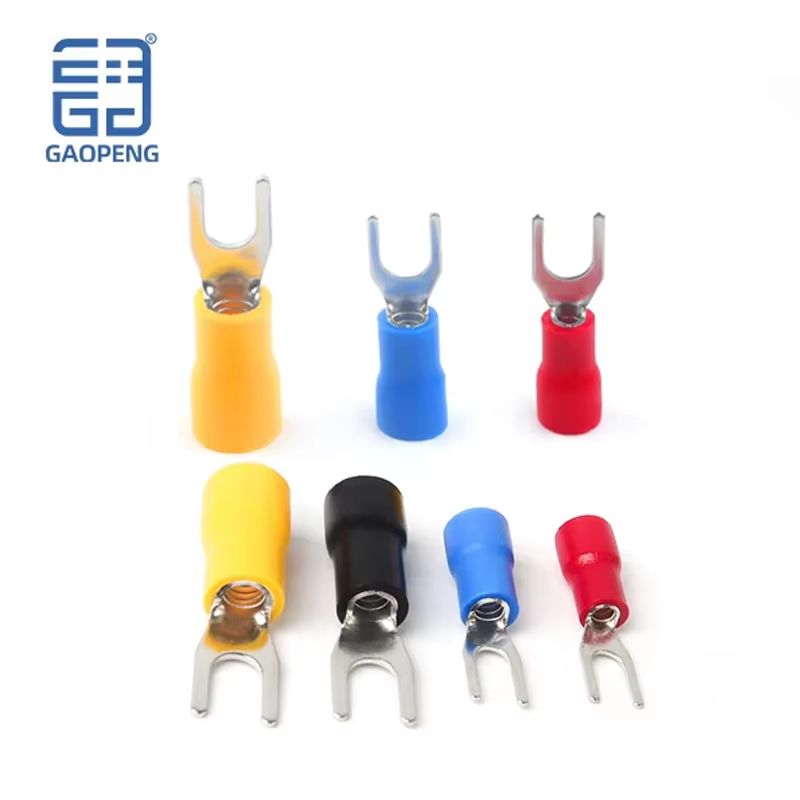
Introduction to Cold-Pressed Terminals
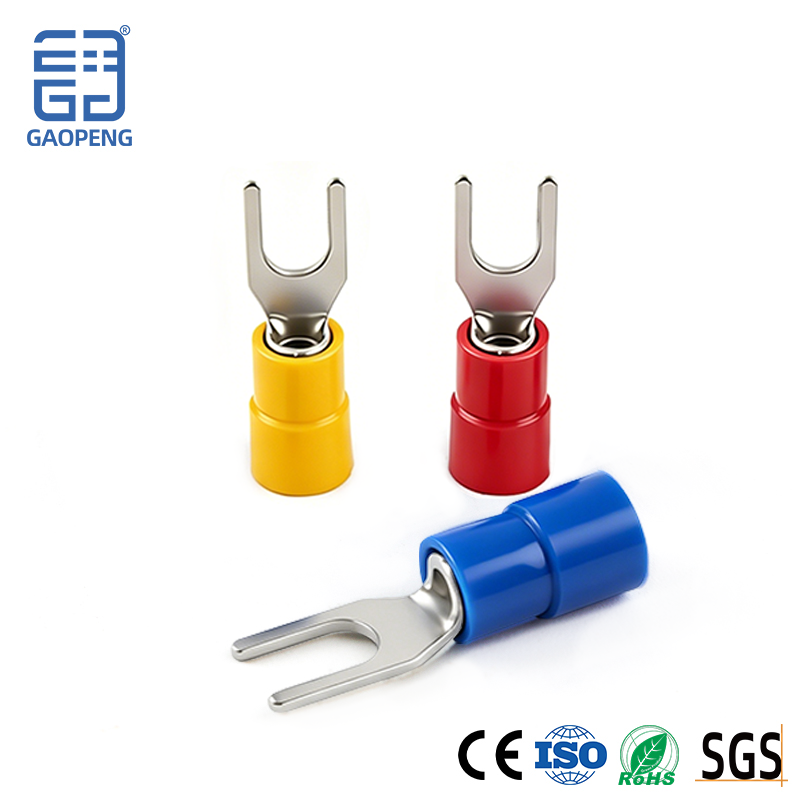
Insulated terminals, also known as cold-press terminals, electronic connectors, and aerial connectors, all fall under the category of cold-press terminals. They are accessory products used to achieve electrical connections and are classified as connectors in the industry. With the increasing level of industrial automation and the growing demands for precise industrial control, the usage of terminals has gradually increased. As the electronics industry develops, the range of terminal applications is expanding, and the variety is becoming more diverse.