



Product News
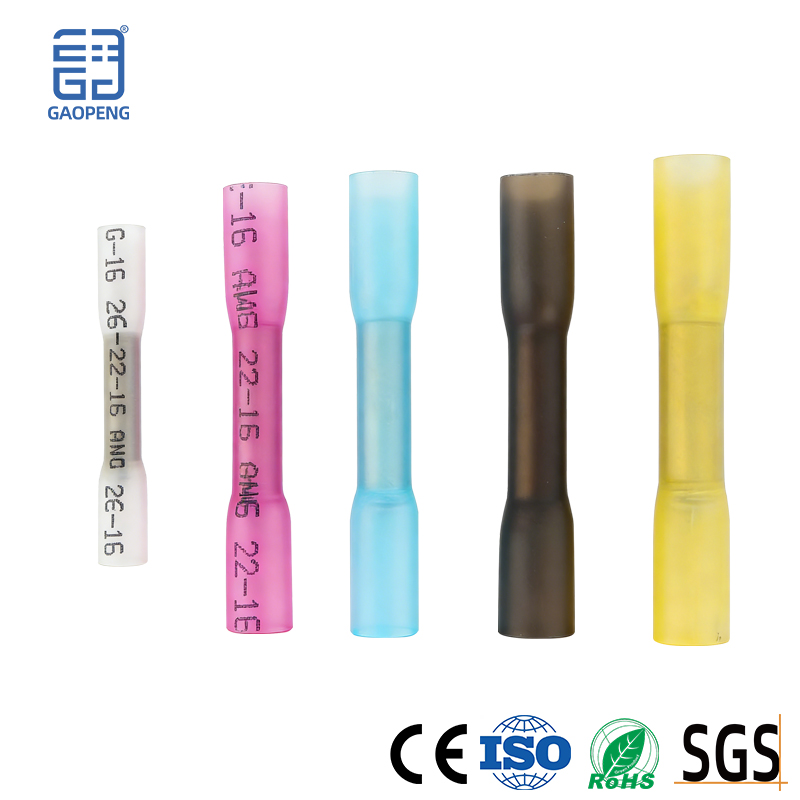
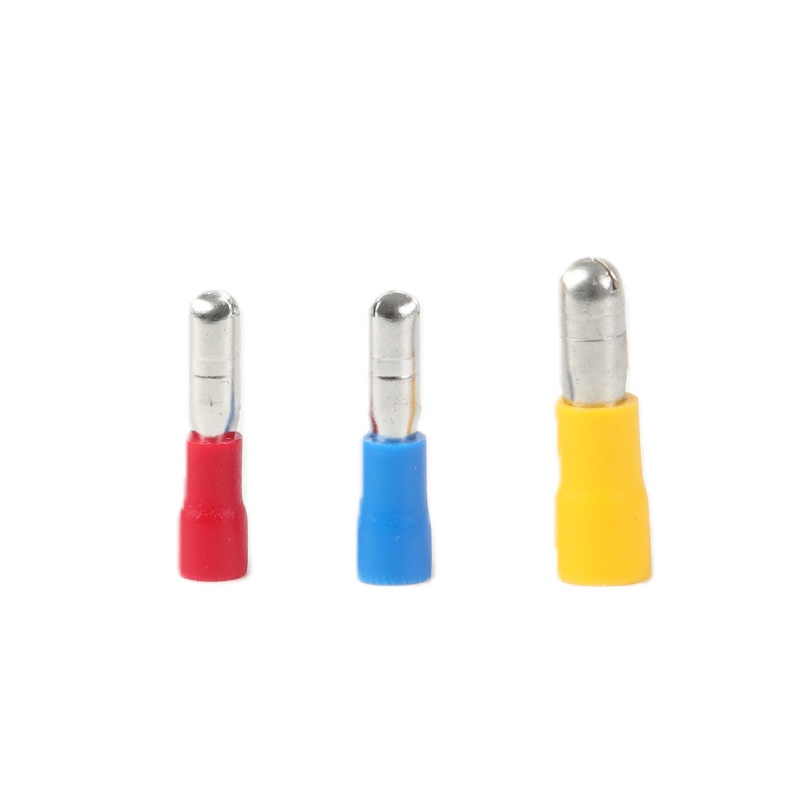
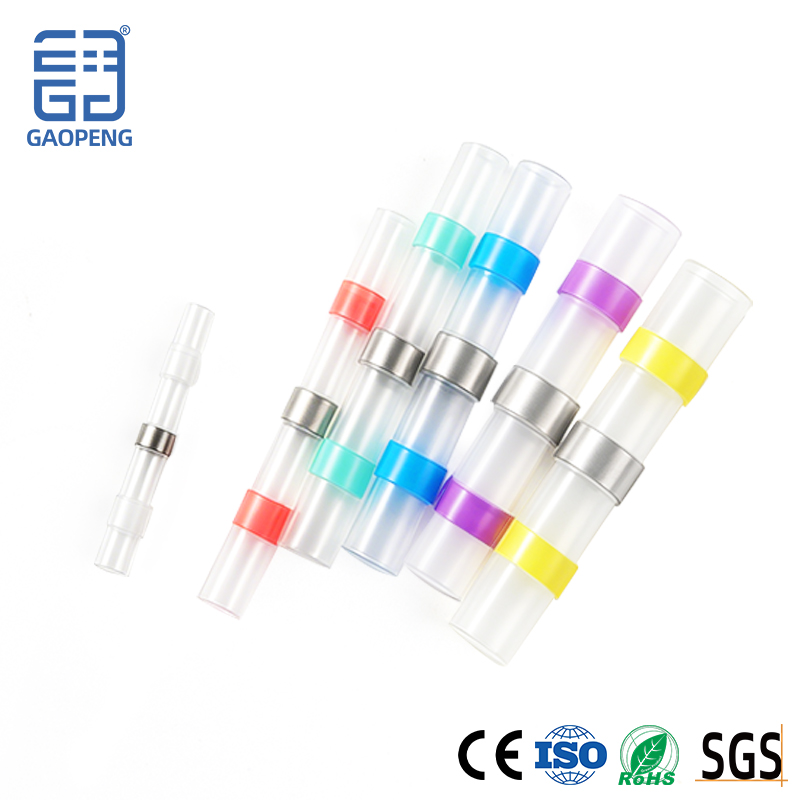
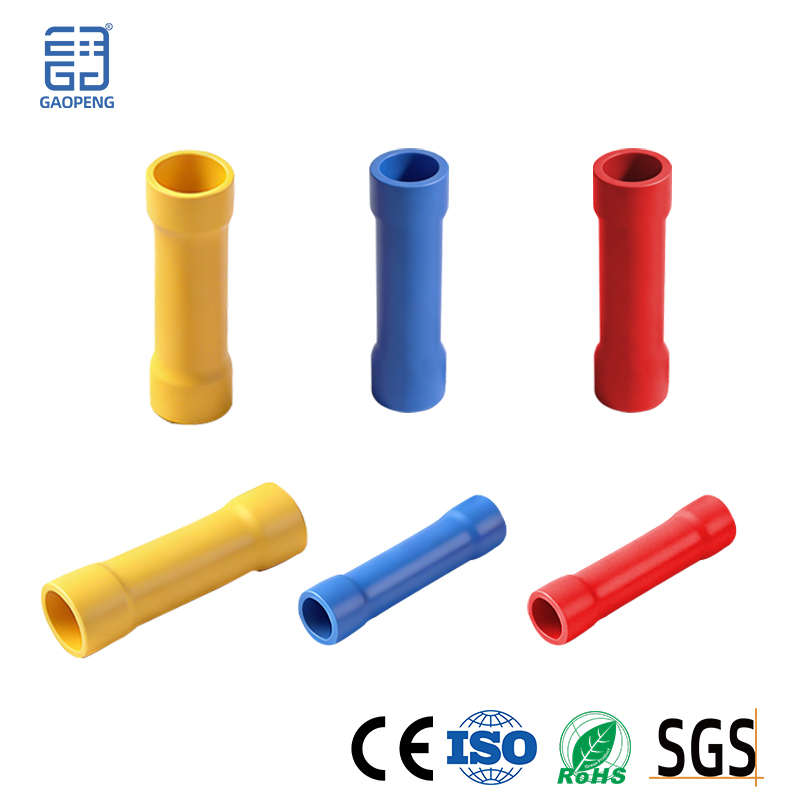
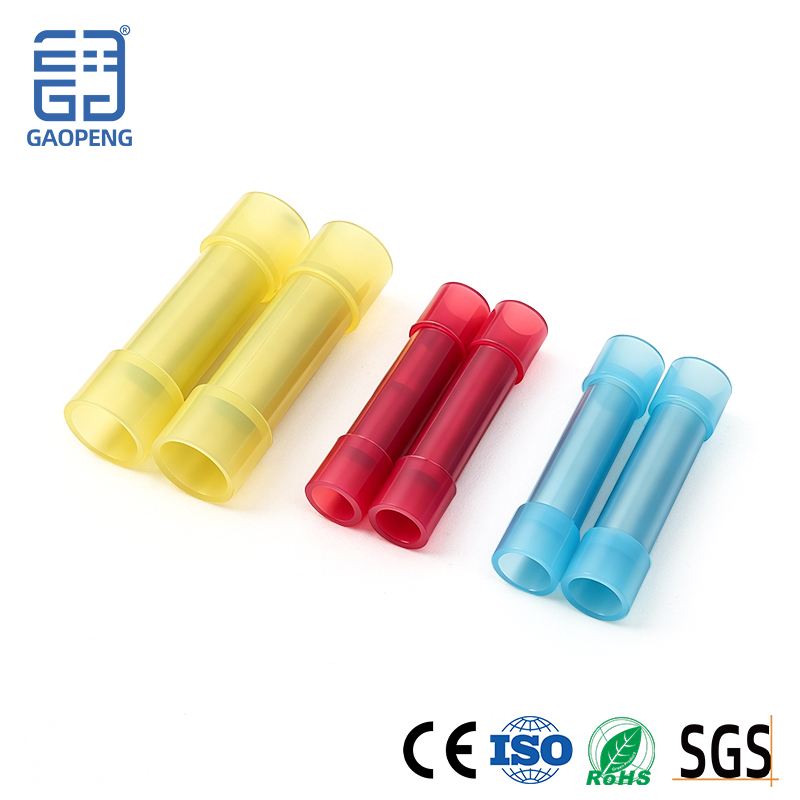
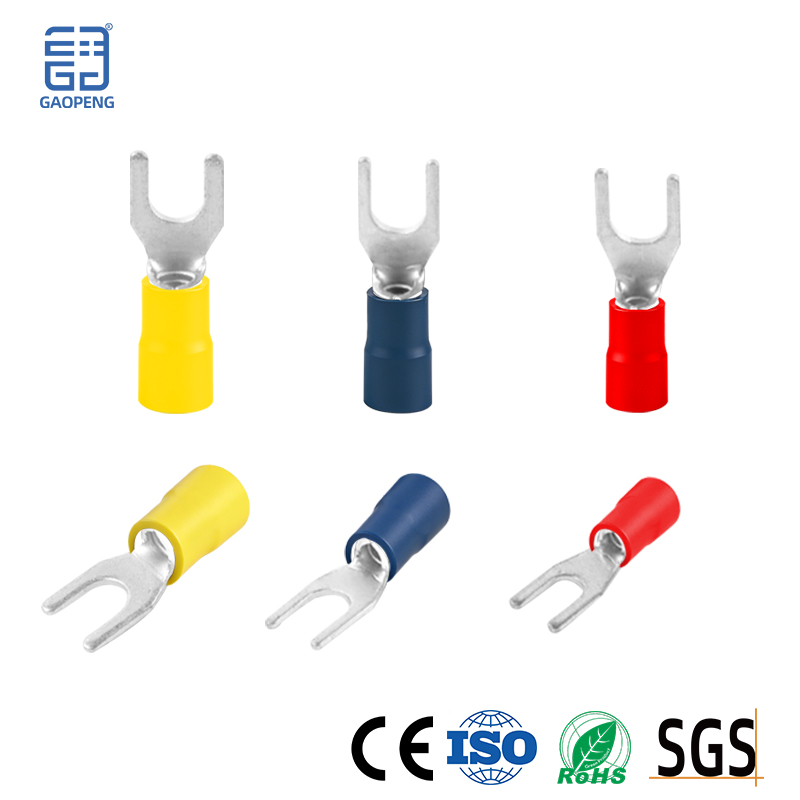
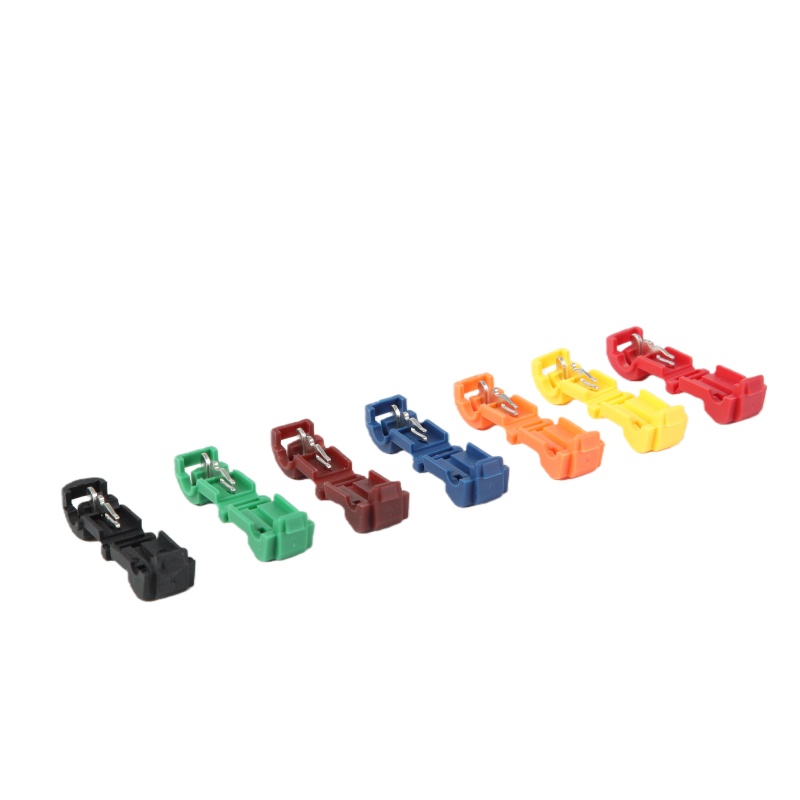
Why Choosing the Right Electrical Terminal Can Improve Safety and Efficiency!
In modern electrical installations, the choice of connectors significantly affects both safety and performance. Insulated terminal sleeves are widely used for secure wire connections due to their reliability, while also preventing accidental short circuits. When combined with high-quality wire terminals, they ensure stable electrical connections over time, reducing the risk of loose connections, overheating, or electrical faults. Professionals and DIY enthusiasts are increasingly seeking solutions that offer durability, ease of installation, and consistent performance across various applications. Additionally, the growing focus on energy-efficient systems makes reliable wiring components more critical than ever in ensuring operational efficiency.
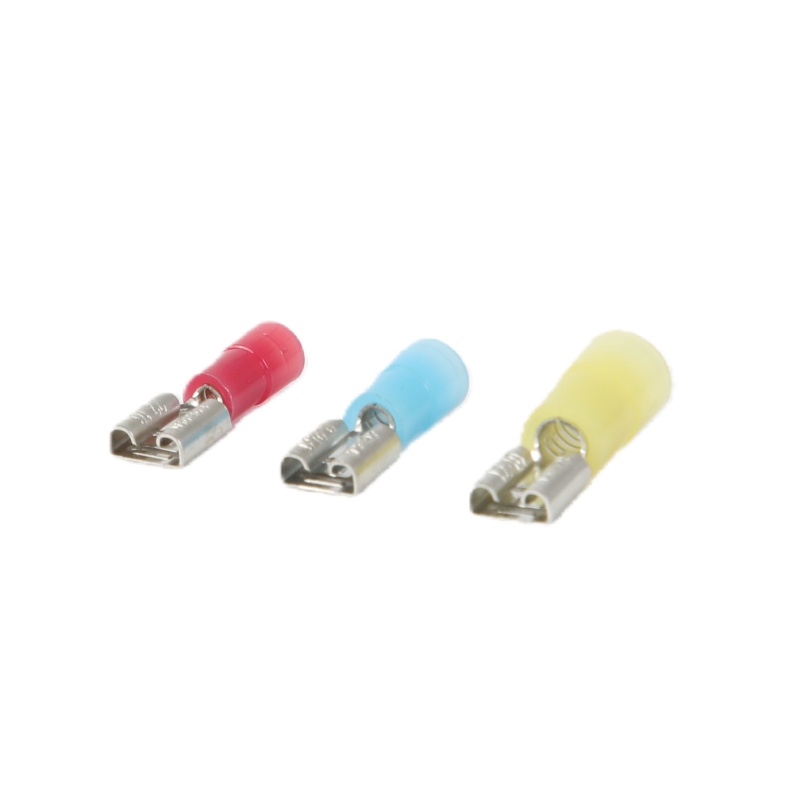
Why do cold-pressed terminals sometimes have poor insulation?
Suppose we don't know much about crimp terminals, or we have limited knowledge about them, and during use, the insulation performance of the terminals gradually deteriorates. How should we effectively address such issues?
For example, if there is any phenomenon of poor contact, it is basically due to excessive pressure on the external cables. The contact components are generally structurally sound and functionally stable, but when there is an unreasonable structure and unstable mold conditions,
it inevitably leads to a decline in the insulation performance of crimp terminals. The terminals themselves may also experience decreased insulation performance for the same reasons. This directly causes or affects normal usage and can cause serious damage to the devices, leading to poor contact and other malfunctions.
Crimp terminals with poor insulation performance should never be used directly. They must be inspected and repaired before being put back into use. Since the contact components and the housing are both insulating, if the structure between them is unreasonable, poor performance is bound to occur during use.
If the insulating parts contain a significant amount of metal either on the surface or internally, and if harmful gases are released or directly adhere to the surface, using crimp terminals or connectors becomes very dangerous. More seriously, this can cause component damage and result in poor contact and other issues.
If the solid parts of a crimp terminal have poor insulation, they will not provide any insulating effect at all. Any protective measures previously taken for the insulation of the solid parts will essentially become ineffective. Furthermore, deficiencies in positioning and locking during use will inevitably affect the normal operation of the terminals.
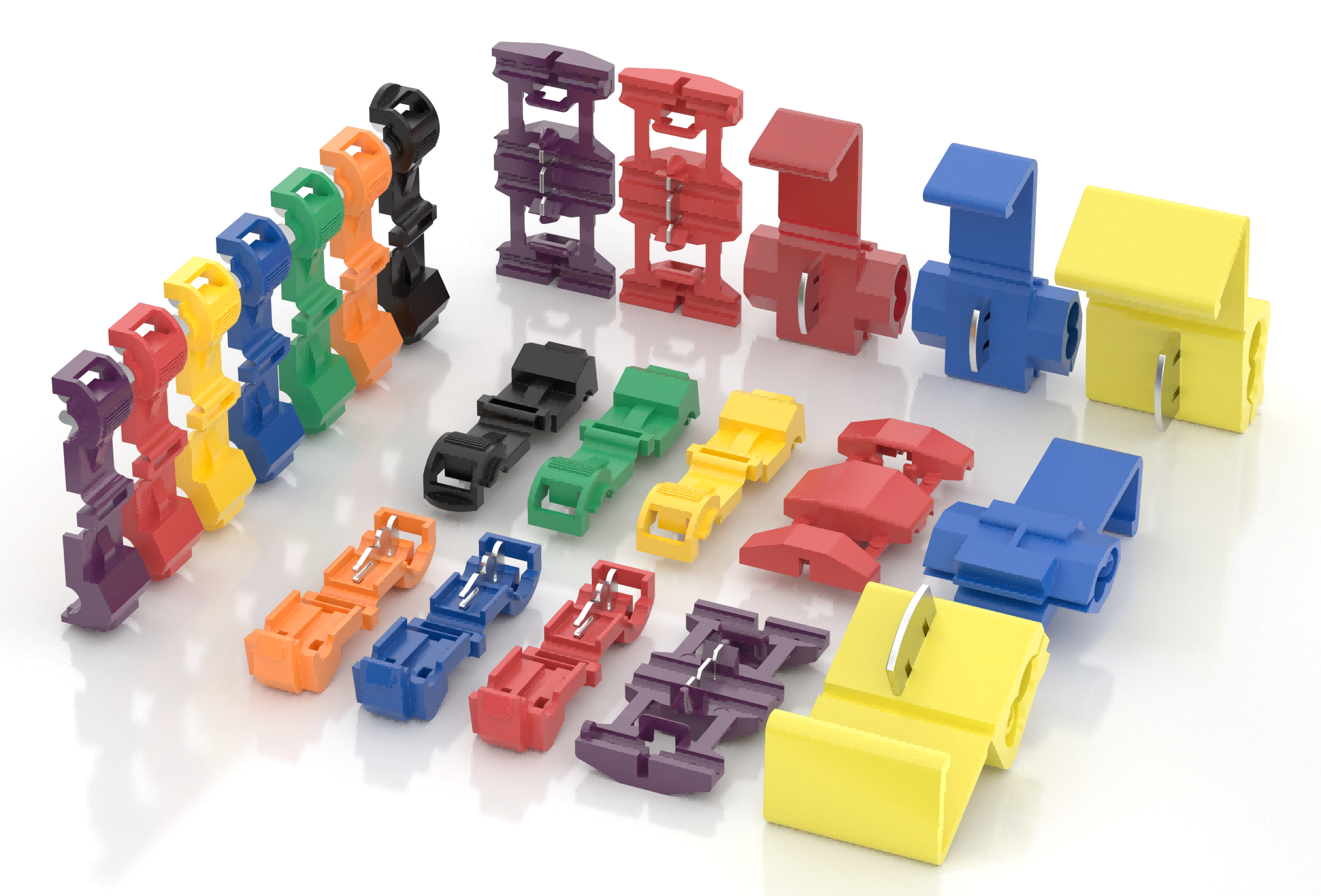
Why Choosing the Right Electrical Wire Terminals Enhances Safety and Efficiency
At Yueqing Gaopeng Electric Co., Ltd., we understand that the foundation of any robust electrical system lies not just in prominent components like switches or circuit breakers, but in the critical, often overlooked elements that hold everything together: electrical wire terminals. The selection of the appropriate terminal is far from a minor detail; it is a fundamental engineering decision with direct and profound implications for system safety, operational efficiency, long-term reliability, and regulatory compliance. This article delves into the key reasons why specifying the right terminal is a non-negotiable aspect of professional electrical design and installation.
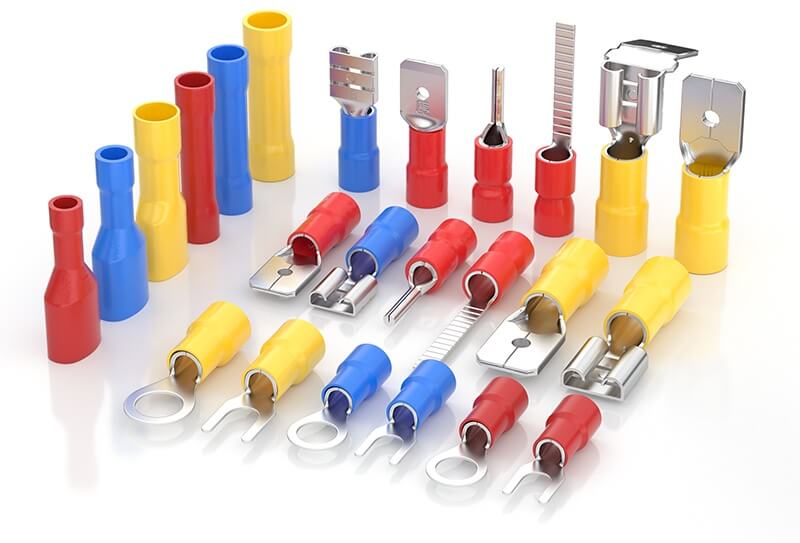
Crimping method of connecting terminal
Preparation before crimping
1 Tools and materials selection
Select the appropriate crimping tool according to the terminal type, such as manual crimping pliers (suitable for U-shaped terminals), square crimping pliers (suitable for tubular terminals) or small crimping pliers (suitable for micro terminals such as XH2.54).
Ensure that the cross-sectional area of the conductor is matched with the aperture of the terminal, so as to prevent the conductor 39 from being damaged due to the inconsistent size.
2 wire treatment
Use wire stripping pliers to strip the insulation of the conductor, and the length of the exposed wire core should match the depth of the terminal metal ring (usually 2-3mm).
Clean the exposed wires, remove the oxide layer or dirt (such as using a copper wire brush) to ensure the conductivity.
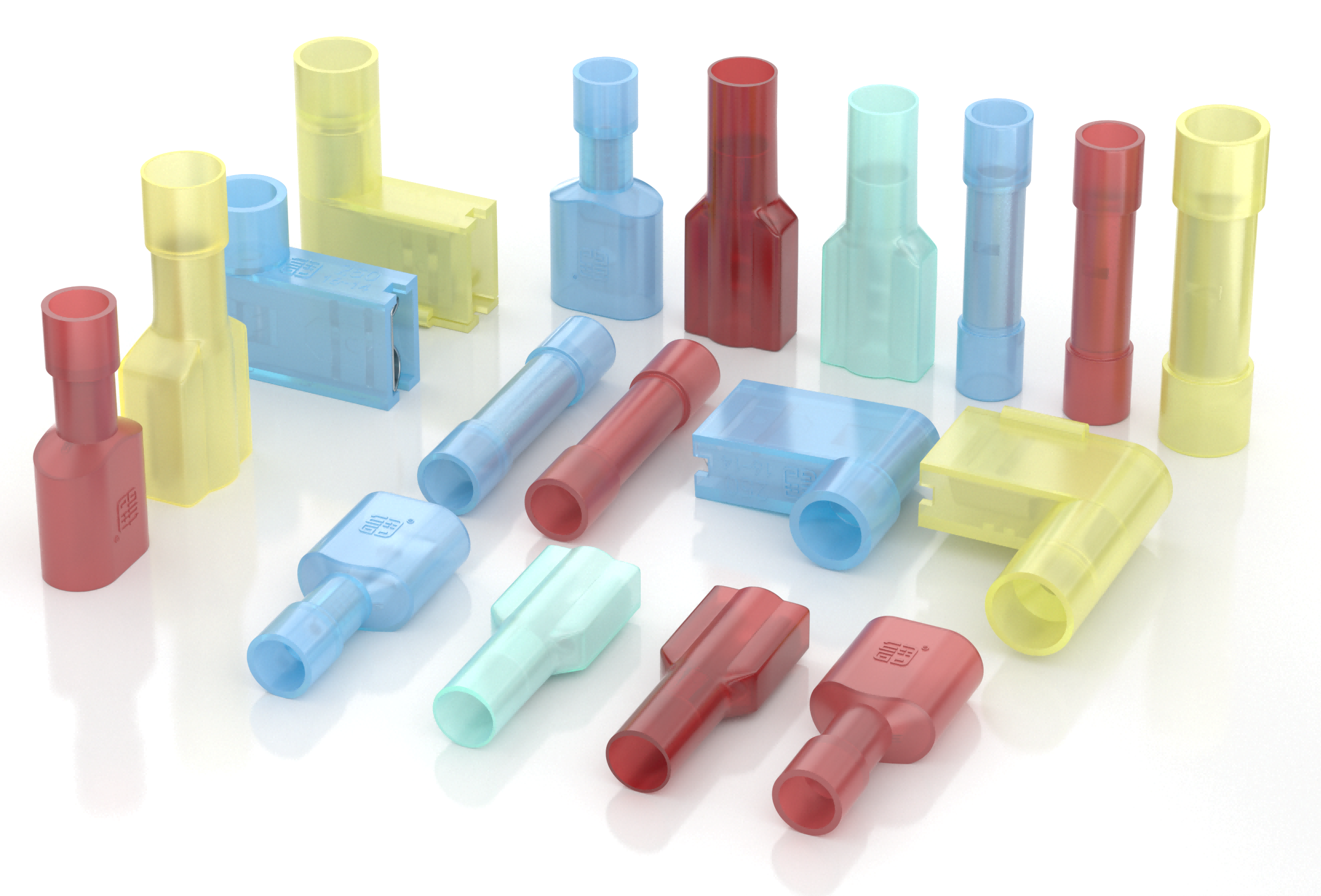
What Makes A Connector Heat-Resistant? The Science of Staying Cool Under Fire
In the intricate world of electrical systems, heat is the silent adversary. It degrades materials, increases resistance, and is a primary culprit behind connection failure. At Yueqing Gaopeng Electric Co., Ltd., we engineer solutions that withstand this challenge. This article delves into the critical question: What makes a connector heat-resistant? We'll explore the materials, design principles, and applications that define these robust components.
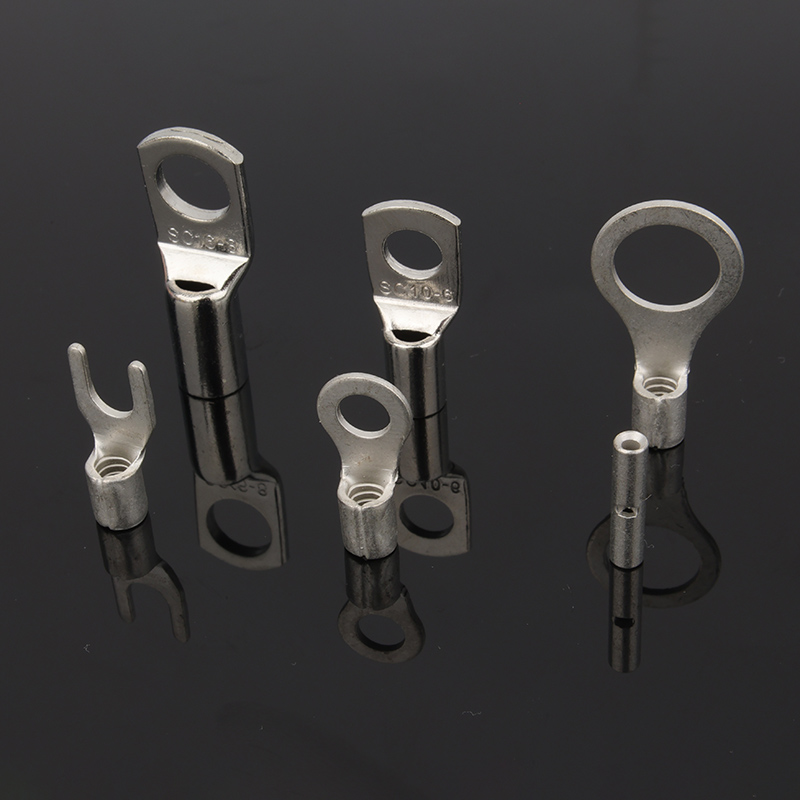
Introduction to the Function of Metal Coatings on Terminal Blocks
In the field of electrical connections, terminals are key components for achieving reliable connections between wires and devices. Their base materials are usually copper or copper alloys (such as brass or phosphor bronze) due to their excellent conductivity. However, pure copper or certain alloys are prone to oxidation and corrosion in the air, which can increase contact resistance and cause connection failure. Therefore, applying a precision metal coating on their surface is a core process to ensure the performance, reliability, and lifespan of the terminals.
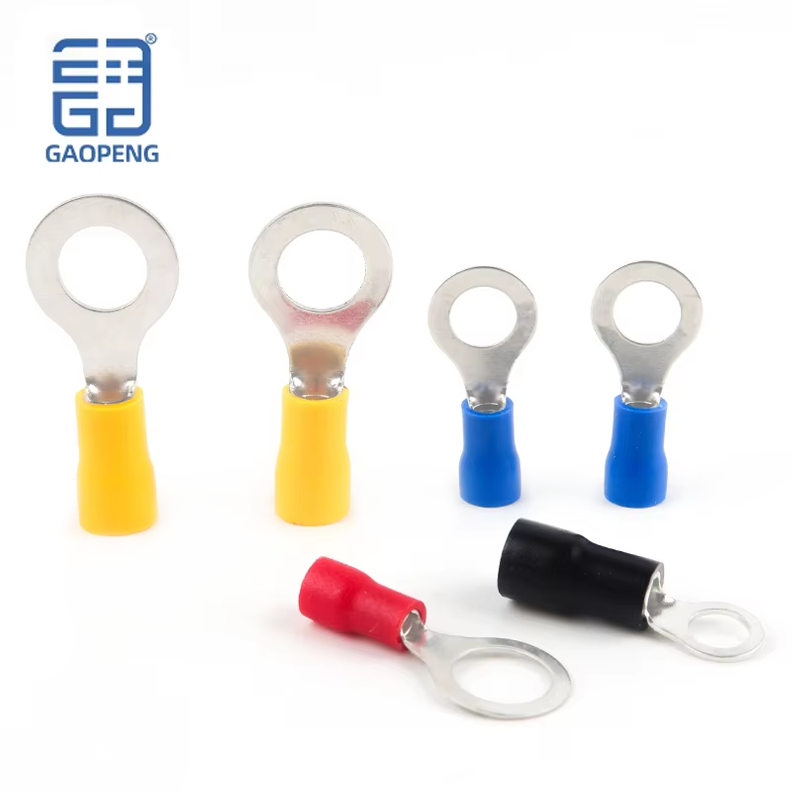
The Art of the Perfect Crimp: A (Mostly) Pain-Free Guide to Insulated Crimp Connectors
Hello, fellow wire wranglers and electrical enthusiasts! If you’ve ever stared at a tangle of wires and a bag of insulated crimp connectors with a mix of determination and dread, you’re not alone. Here at Yueqing Gaopeng Electric Co., Ltd., where crafting reliable terminals is our daily bread and butter, we’ve seen it all. Today, we’re slicing through the confusion with a guide that’s equal parts precision and personality. Let’s turn that crimping chore into a satisfying click of success.
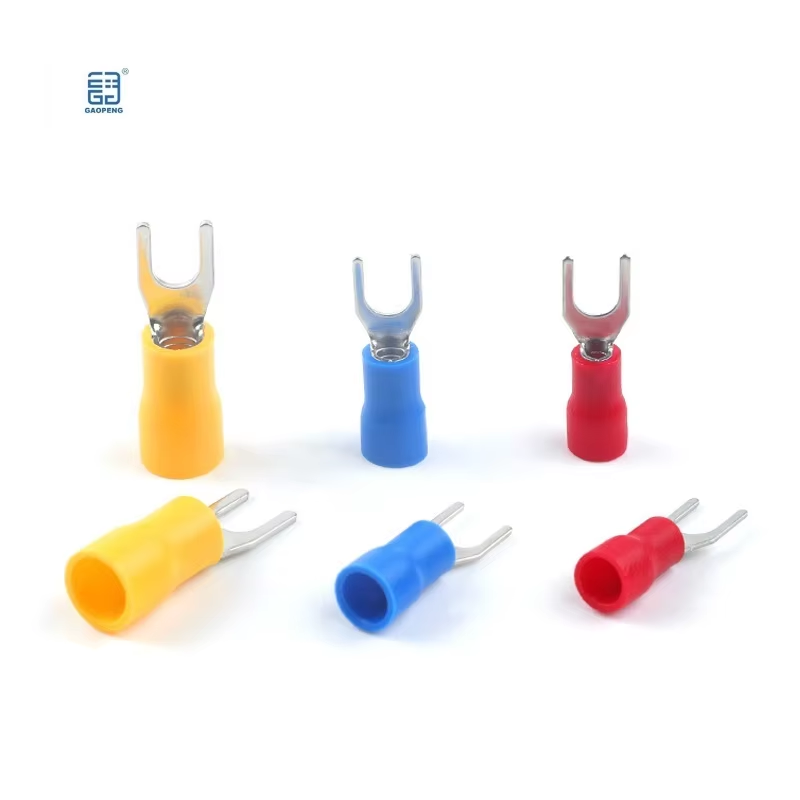
Copper terminals have good conductivity, secure connections, insulation protection
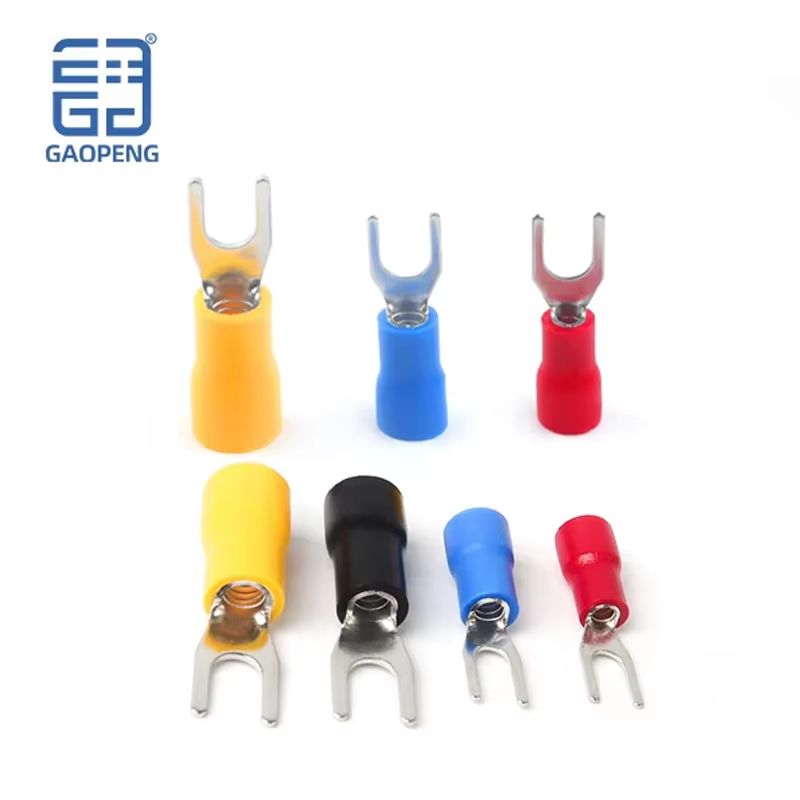
Introduction to Cold-Pressed Terminals
Insulated terminals, also known as cold-press terminals, electronic connectors, and aerial connectors, all fall under the category of cold-press terminals. They are accessory products used to achieve electrical connections and are classified as connectors in the industry. With the increasing level of industrial automation and the growing demands for precise industrial control, the usage of terminals has gradually increased. As the electronics industry develops, the range of terminal applications is expanding, and the variety is becoming more diverse.
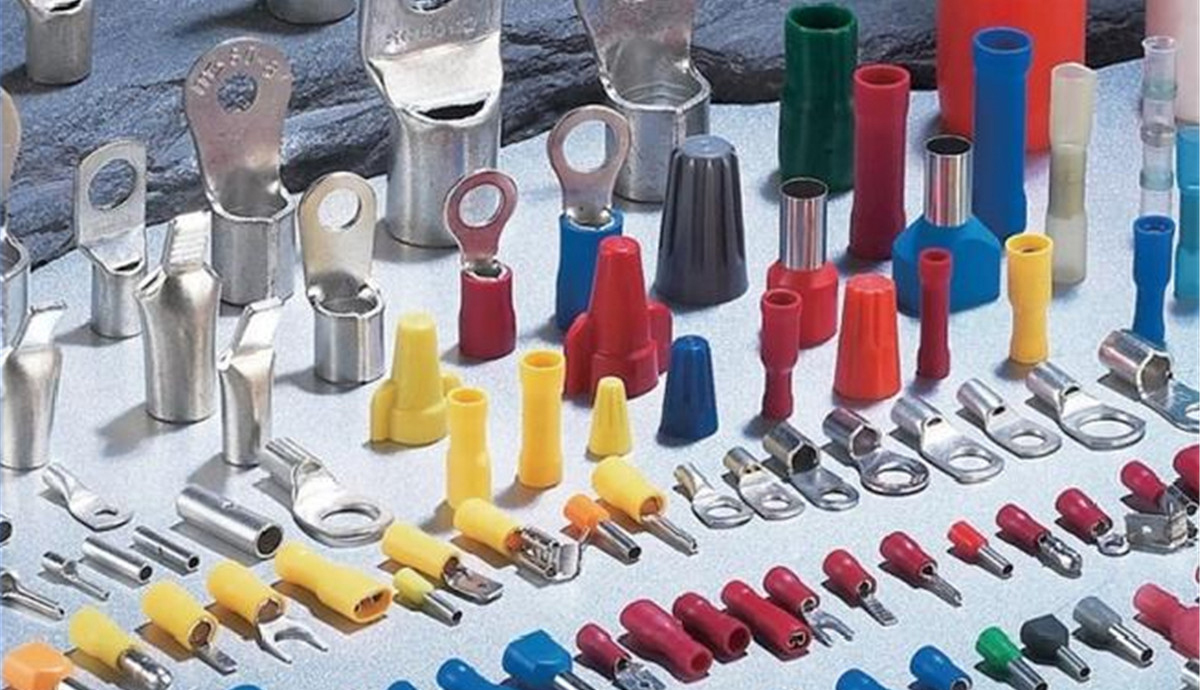
How to choose a terminal block and the uses of terminal blocks
1. Electrical Parameters: The rated voltage and rated current must meet the circuit requirements.
2. Wire Specifications: Choose a model that matches the wire cross-sectional area (square millimeters or AWG gauge).
3. Connection Method: Select screw, spring, or crimp types based on installation convenience, reusability, and vibration resistance requirements.
4. Environmental Requirements: Consider whether features such as waterproofing (IP rating), corrosion resistance, and high-temperature resistance (UL94 flame retardant rating) are needed.
5. Installation Space: Choose terminal shapes and sizes that fit the layout inside the equipment.
6. Certification Standards: Select products that comply with relevant industry or regional safety certifications (such as UL, CE, CCC).