



News
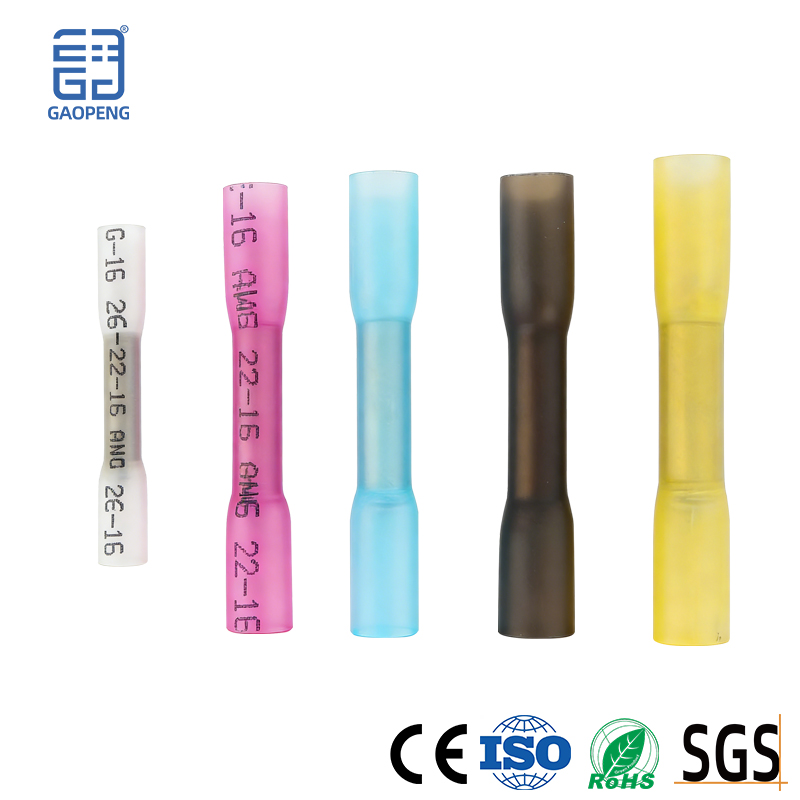
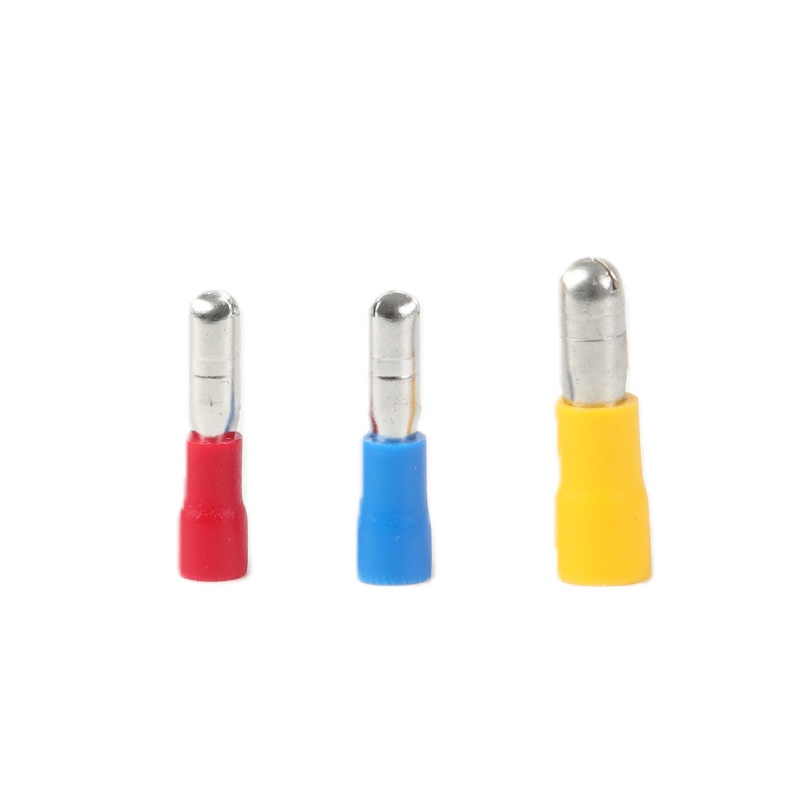
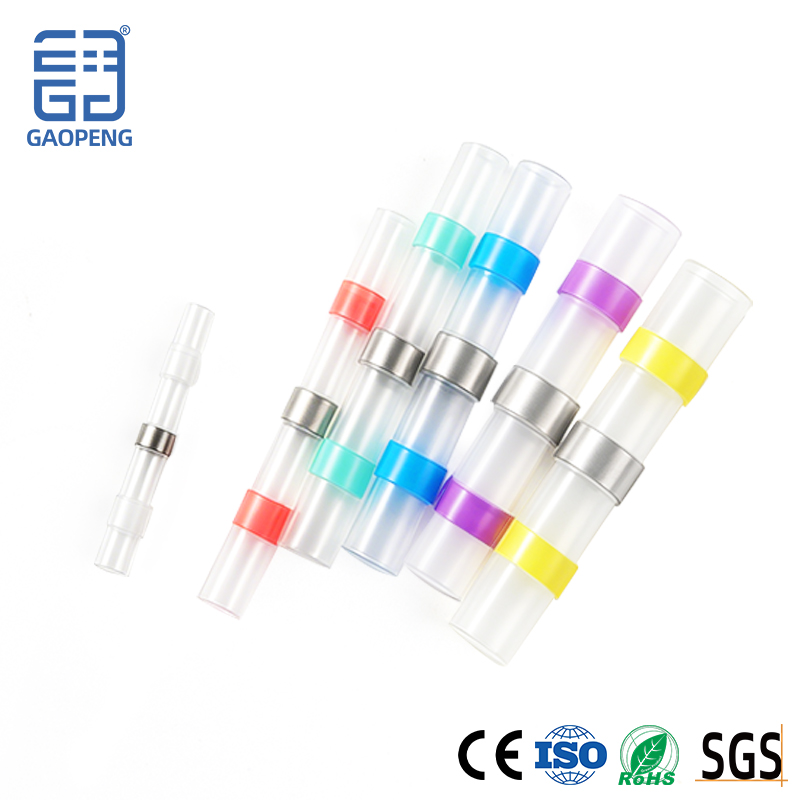
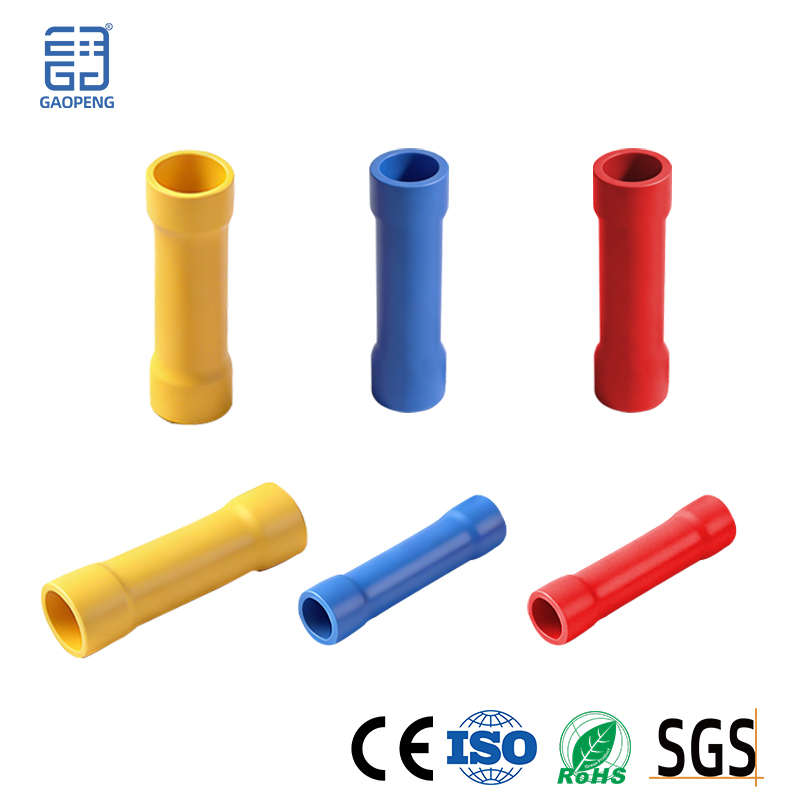
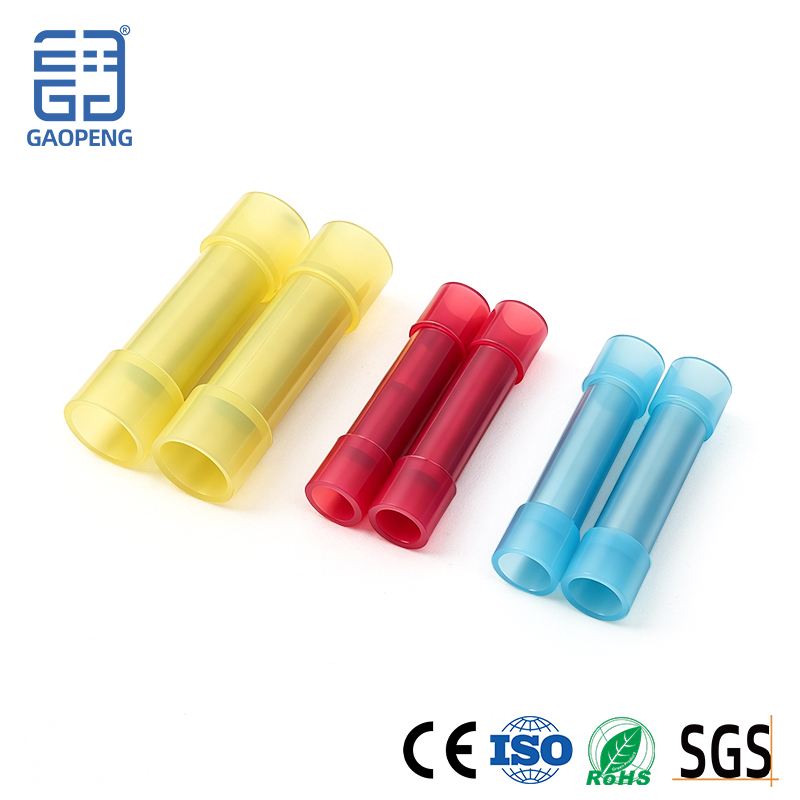
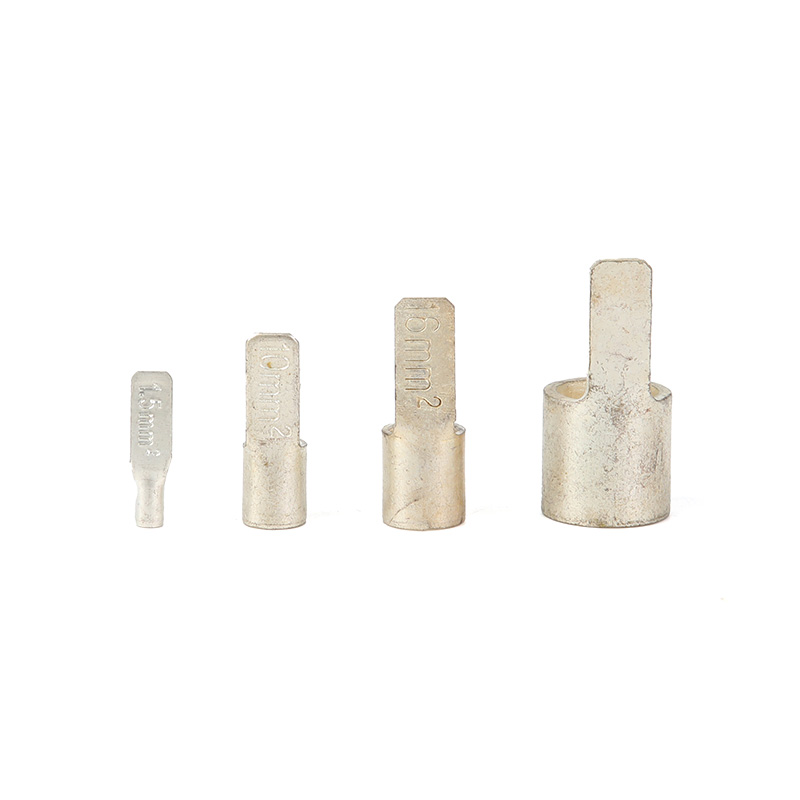
What are the types of brass noses
Classified by material and applicable scenarios, it mainly depends on whether you are connecting copper or aluminum wires.
The material types are divided into pure copper lugs, copper-aluminum transition lugs, and brass lugs. The most common pure copper lugs are DT, DTG, and SC. Their core features are excellent electrical conductivity and corrosion resistance. DT is made from copper rods, making it relatively thick and heavy; DTG is made from stamped copper tubes, making it more lightweight and economical. They are suitable for general electrical connections, especially for high-power equipment.
Copper-aluminum transition lugs are commonly DTL. Their core feature is that one end is copper and the other is aluminum, specifically designed to solve the electrochemical corrosion issue that occurs when copper and aluminum are directly connected. They are used to connect aluminum cables to copper terminals of equipment.
The core feature of brass lugs is higher hardness and greater wear resistance, though their conductivity is slightly lower than that of pure copper. They are mostly used in situations with certain mechanical strength requirements.
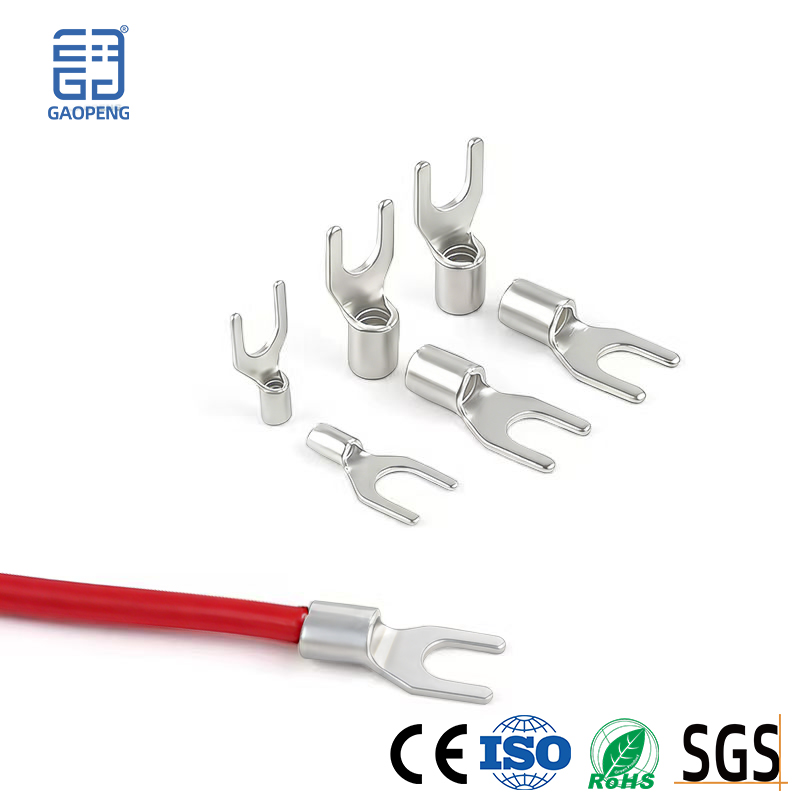
In What Situations Are Terminal Blocks Used? A Comprehensive Guide to Applications Across Industries
In the vast and interconnected world of electrical systems, one component serves as the unsung hero of organization, safety, and reliability: the terminal block. These modular, insulated connectors are ubiquitous in modern electrical installations, yet their presence often goes unnoticed by all but the engineers and technicians who design and maintain the systems they enable. At Yueqing Gaopeng Electric Co., Ltd., we specialize in manufacturing high-quality terminal blocks for diverse applications worldwide. This comprehensive guide explores the myriad situations where terminal blocks are essential, from the factory floor to renewable energy installations and beyond.
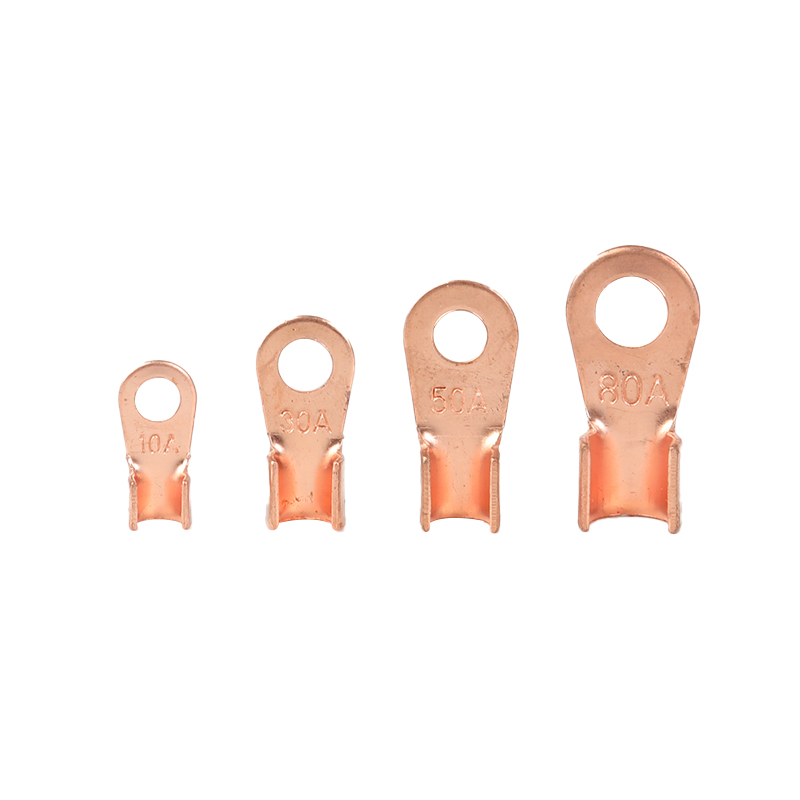
The uses, application scenarios, and materials of OT copper ring crimp terminals
OT copper ring crimp terminals (commonly referred to as OT terminals or copper lugs) are essential basic components in electrical connections. Their main purpose is to achieve a safe and reliable electrical connection between wires or cables and device terminals (such as posts or screws). They are connected to conductors by crimping, and their ring-shaped heads are used to secure them to devices, featuring firm connections, low contact resistance, and suitability for high current applications.
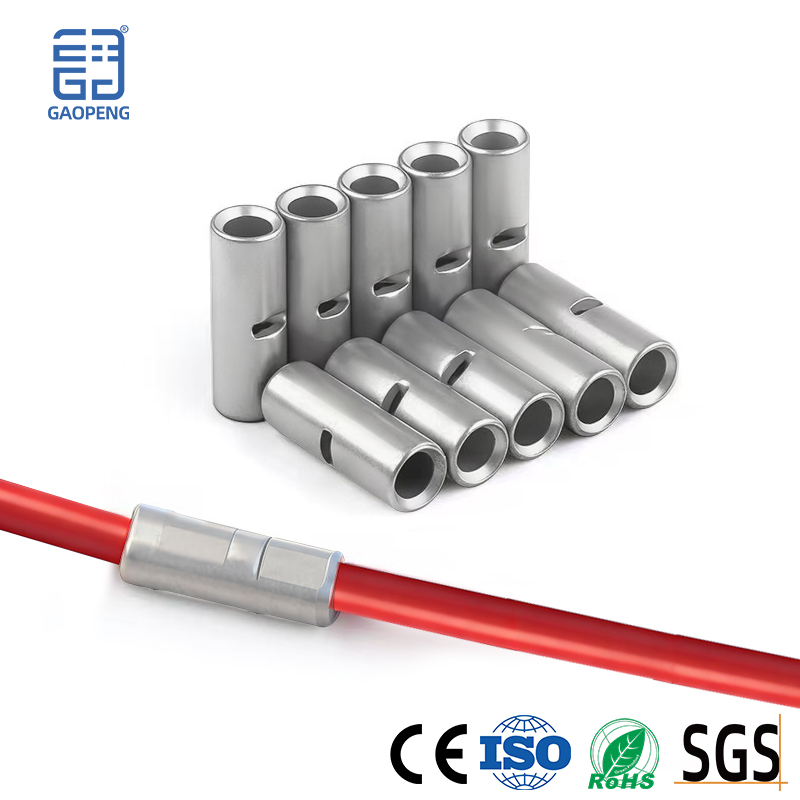
What is a Cable Terminal? A Comprehensive Guide to Understanding This Essential Component
In the intricate world of electrical systems, where power generation meets consumption and signals flow to control complex machinery, one component serves as the critical interface between the cable and the equipment it serves: the cable terminal. Despite its fundamental importance, the term "cable terminal" is often misunderstood or conflated with other connection devices. At Yueqing Gaopeng Electric Co., Ltd., we specialize in manufacturing precision electrical connection solutions, and we believe that understanding the components you work with is the first step toward building safer, more reliable systems. This comprehensive guide explores what cable terminals are, their various types, critical functions, and how to select the right one for your application.
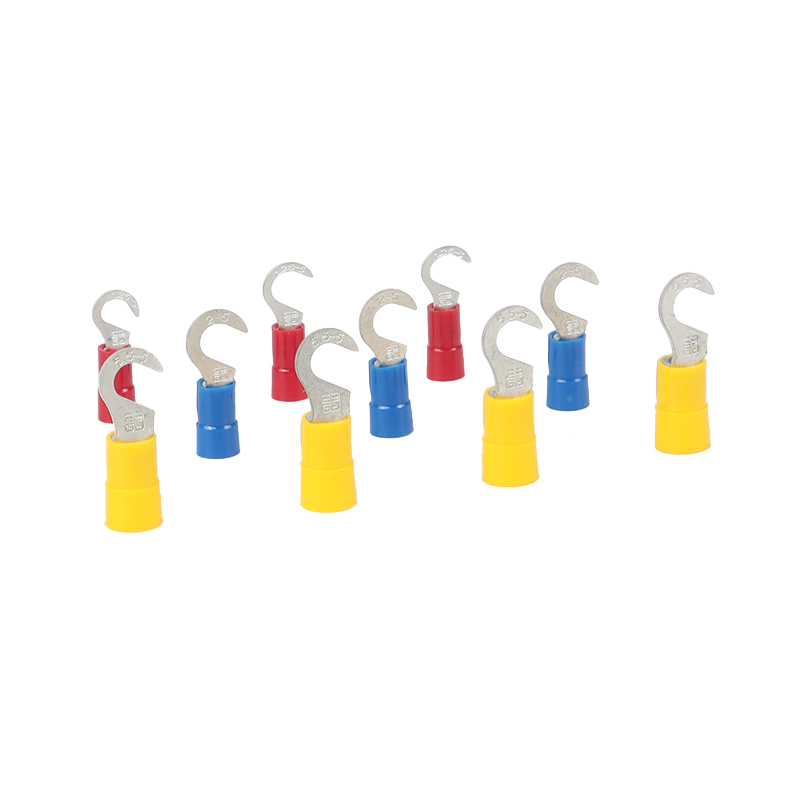
National standard for low-voltage cold-pressed terminals
The national standards for low-voltage cold-pressed terminals are mainly divided into two categories: product technical specifications and safety and identification requirements. The core product standard is the mechanical industry standard JB/T 2436 series, which is divided into two parts according to the applicable conductor cross-sectional size.
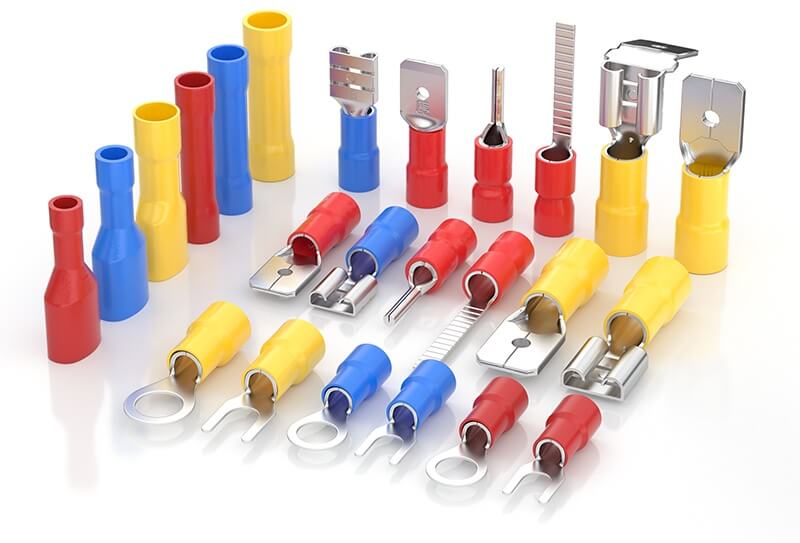
Did the cold-pressed terminal experience a high-temperature shock during heat treatment?
First, we need to pay attention that it must withstand the high temperatures of the preheating area. In this regard, it essentially means that the temperature needs to be conducted to the terminal body through wave soldering. As for the flux, it should not affect the crimped terminals; it must be easy to remove and leave no residue.
Additionally, it is important to ensure that water is used for cleaning during the entire assembly process. Regarding the preheating temperature, when it reaches 100°C or higher, it is also common for the wave soldering temperature to reach around 280°C.
Next, attention must be paid to the accurate positioning of the soldering pins through the perforations. Furthermore, in terms of size, they must be appropriately and evenly placed. In this regard, they also need to have good solderability, which facilitates insertion and soldering.
Finally, pure silver contacts are more prone to fusion welding. For the main contacts of AC contactors, it is important to directly choose silver-based alloys with strong anti-fusion welding properties, with the most common being silver-iron and silver-nickel.
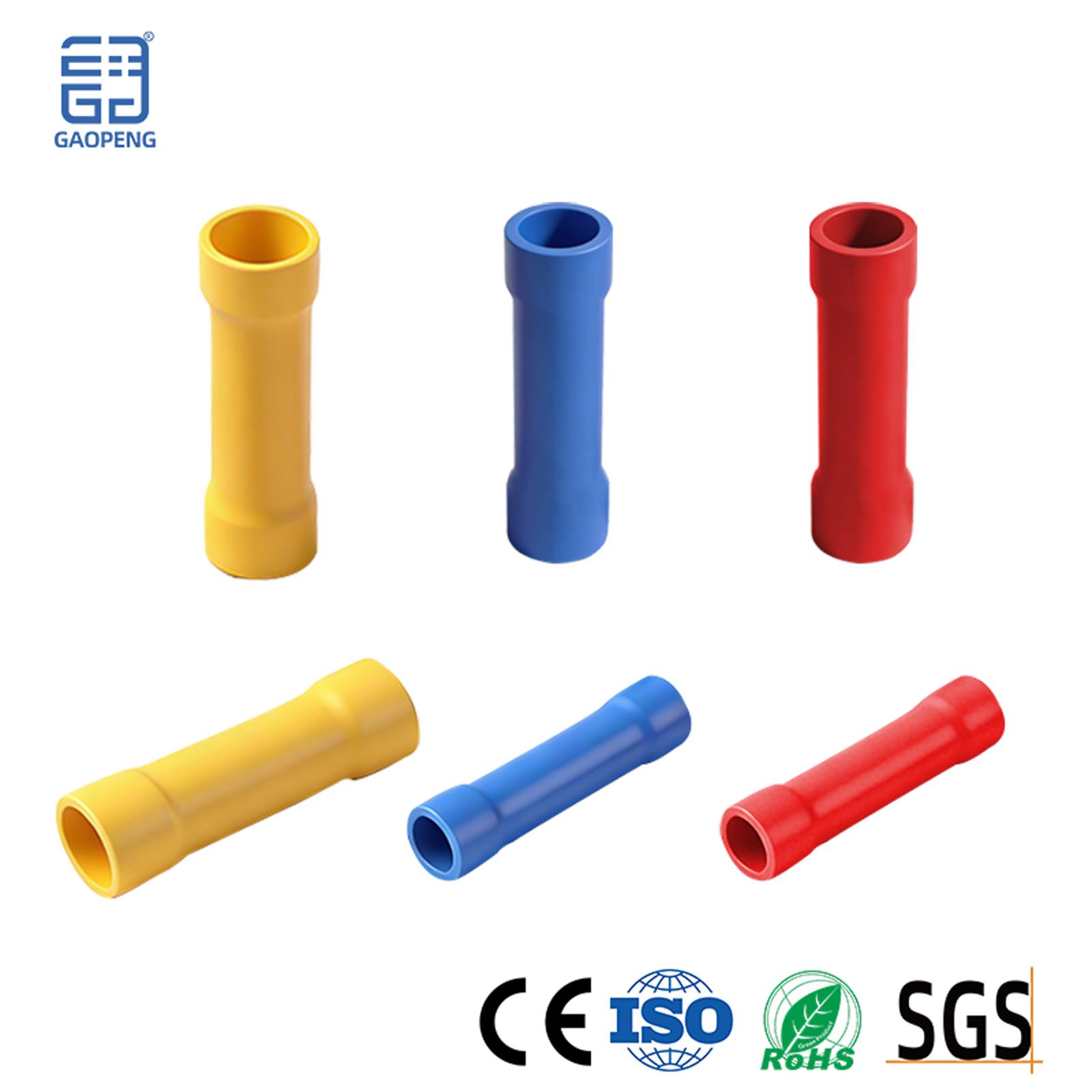
Do You Understand Everything About Cold-Pressed Terminals? A Comprehensive Guide to Essential Knowledge
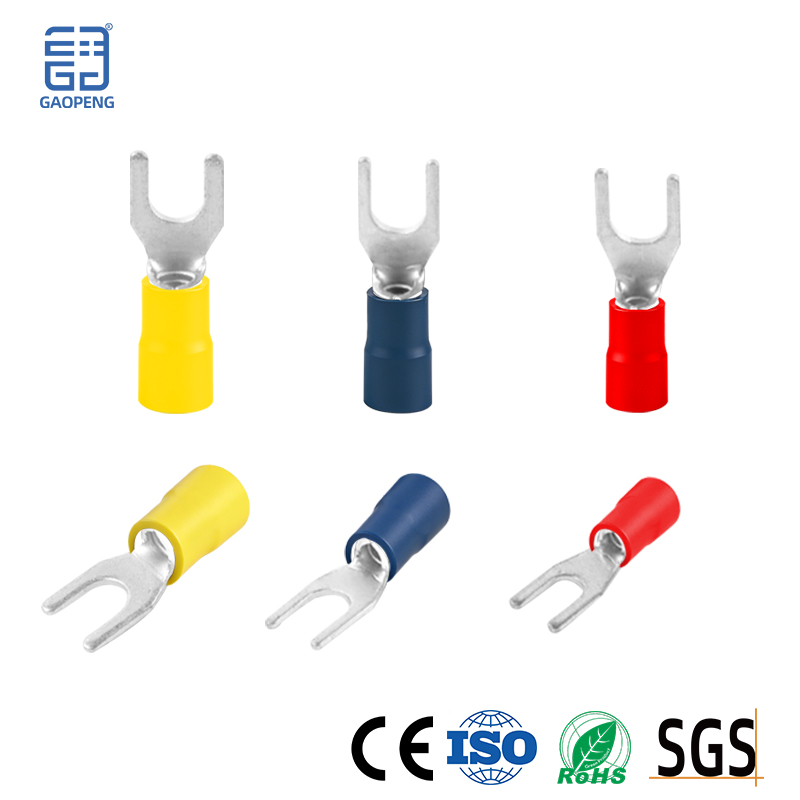
In the vast and intricate world of electrical connectivity, few components are as fundamental yet as frequently misunderstood as the cold-pressed terminal. Also known as crimp terminals, these small but critical components form the backbone of reliable wiring systems across industries—from automotive and aerospace to industrial automation and renewable energy. Yet, despite their ubiquity, the depth of engineering, material science, and proper application techniques required for optimal performance is often underestimated. At Yueqing Gaopeng Electric Co., Ltd., we have dedicated decades to mastering the art and science of terminal manufacturing. This comprehensive guide aims to answer the question: Do you truly understand everything about cold-pressed terminals?
A Technical Guide: Common Crimping Methods for Cold-Pressed Terminals
In the assembly of reliable electrical systems, the connection between a wire and its terminal is not merely a junction—it is a critical engineered interface. The process of crimping a cold-pressed terminal is the definitive method for creating a permanent, gas-tight, and vibration-resistant union. However, not all crimps are created equal. The method and tooling employed directly determine the long-term safety, conductivity, and mechanical integrity of the connection. For engineers, technicians, and procurement specialists, understanding the landscape of crimping methodologies is essential. At Yueqing Gaopeng Electric Co., Ltd., we engineer our terminals to excel under precise crimping forces, and we believe an informed user is the key to unlocking ultimate performance. This guide introduces the most common and professional crimping methods used in industry today.
What is a tube-type terminal block? How is it used?
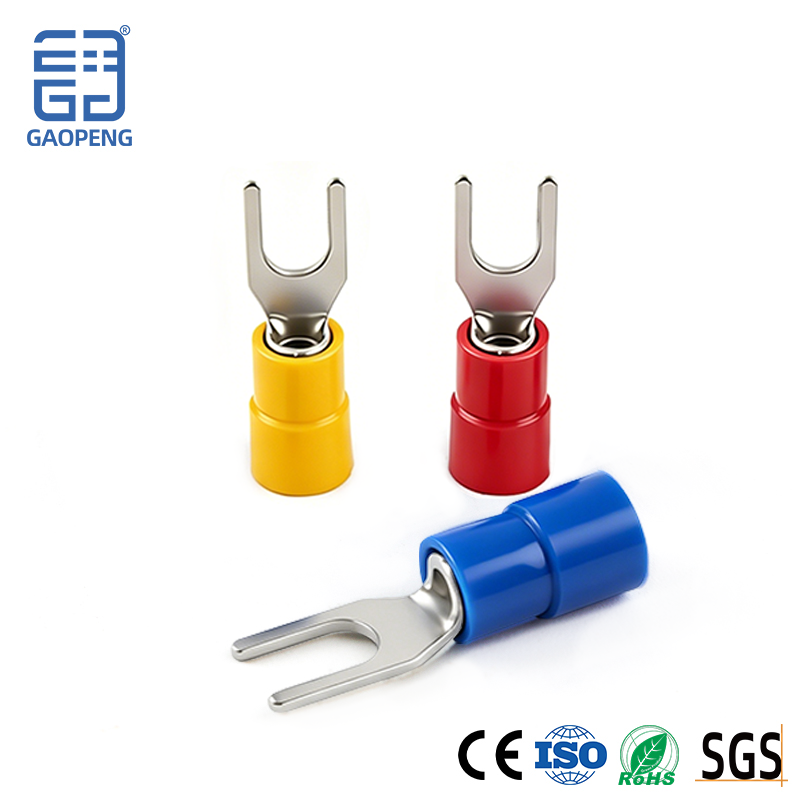
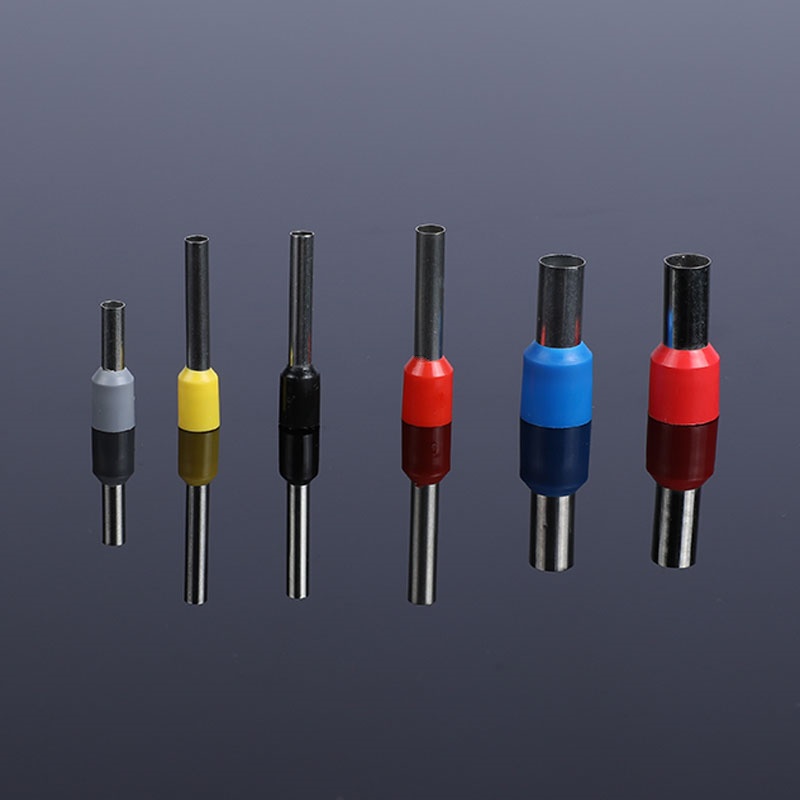
Tubular terminals, professionally known as tubular crimp terminals, are called this because engineers in different regions have different naming conventions. Tubular terminals are a type of cold-press terminal. Their main function is to conduct electricity and serve as a component for electrical connections, which is categorized under connectors in the industrial sector. The function of tubular terminals is the same as other terminals, used to connect electrical signals and provide conductivity. There are many types of tubular terminals, including uninsulated tubular terminals, tubular terminals, anti-slip sun-type terminals, round terminals, insulated terminals, forked insulated terminals, flag terminals, ring terminals, ground ring terminals, and other similar types of terminals.
Crimping Process Requirements and Installation of Cold-Pressed Terminals
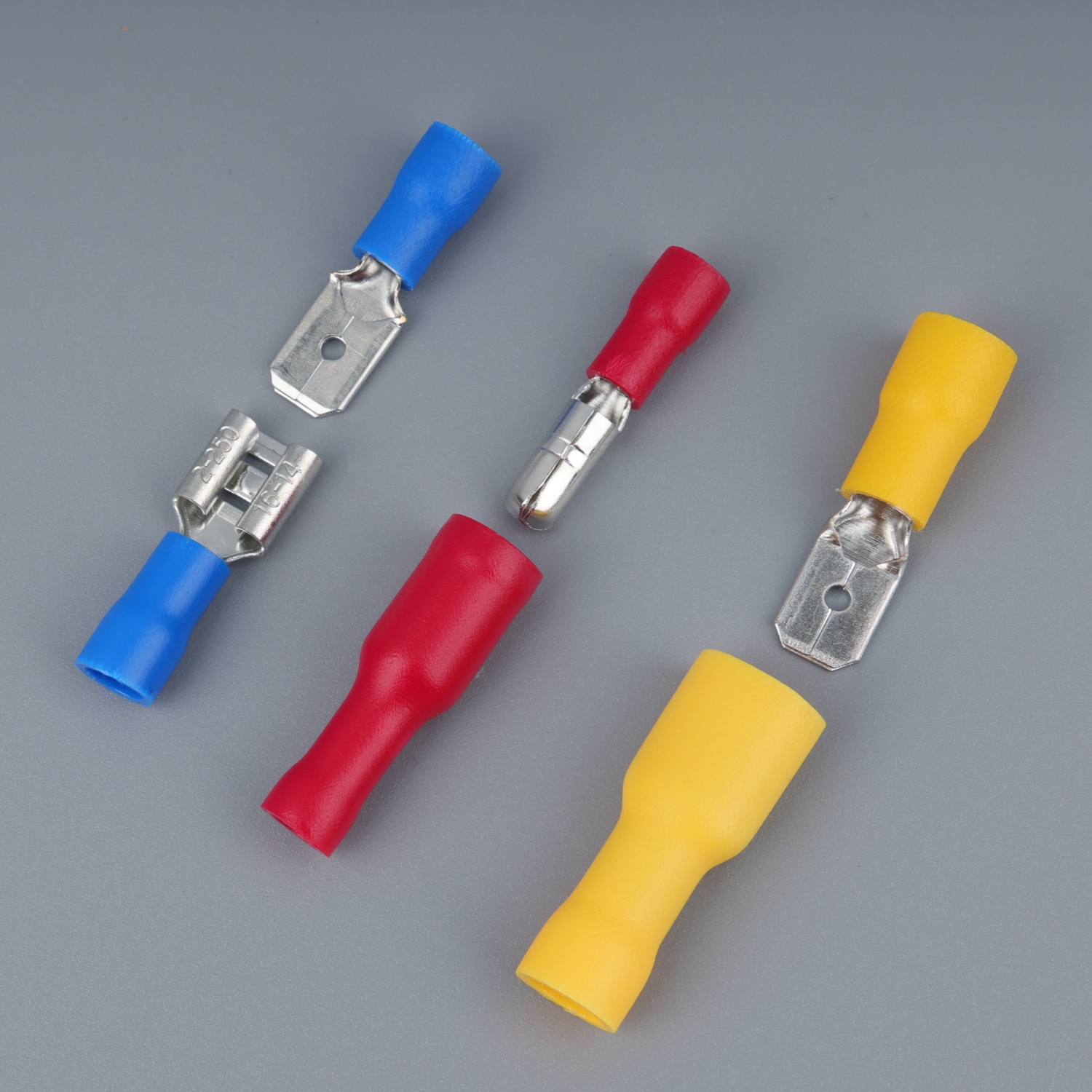
The essence of crimping is to achieve tight metal-to-metal contact between the terminal and the conductor through mechanical plastic deformation, ensuring electrical conductivity and mechanical fixation.